Ever wondered how your morning coffee, your latest smartphone, or even the clothes you’re wearing made their way to you? The answer lies in the intricate, often invisible, world of the supply chain. Far more than just logistics, the supply chain is the foundational network that powers our global economy, orchestrating the journey of every product from raw material to the eager hands of the consumer. In an increasingly interconnected and volatile world, understanding the nuances of this critical system is no longer just for industry insiders; it’s essential for businesses, consumers, and anyone interested in the pulse of modern commerce.
What is Supply Chain Management?
At its core, a supply chain is the complete network of individuals, organizations, resources, activities, and technologies involved in the creation and sale of a product. It encompasses everything from the delivery of source materials from the supplier to the manufacturer, to the transformation of those materials into finished goods, and finally, their distribution to the end user.
Defining the Supply Chain and its Strategic Role
Supply Chain Management (SCM) is the active management of supply chain activities to maximize customer value and achieve a sustainable competitive advantage. It involves streamlining the supply side activities of a business to maximize customer value and gain a competitive edge in the marketplace. This includes:
-
Planning: Strategies for managing all resources to meet customer demand.
-
Sourcing: Choosing suppliers to provide the goods and services needed to create the product.
-
Manufacturing: Organizing the activities required to accept raw materials, make the product, test for quality, and package it for shipment.
-
Delivery (Logistics): Coordinating customer orders, scheduling deliveries, dispatching loads, invoicing customers, and receiving payments.
-
Returns: Creating a network for receiving defective and excess products back from customers.
A well-managed supply chain ensures efficient flow of goods, services, information, and finances, connecting suppliers, manufacturers, distributors, and customers seamlessly.
Why Supply Chain Management Matters More Than Ever
The strategic importance of effective SCM cannot be overstated, especially in today’s dynamic global landscape. It directly impacts a company’s:
- Cost Efficiency: Optimizing processes reduces operational costs, from procurement to transportation.
- Customer Satisfaction: Faster, more reliable delivery and product availability lead to happier customers.
- Risk Mitigation: Proactive management helps identify and mitigate potential disruptions, such as natural disasters or geopolitical events.
- Competitive Advantage: A lean and agile supply chain can respond quicker to market changes and innovate faster than competitors.
- Brand Reputation: Ethical sourcing and sustainable practices enhance a company’s image and appeal to conscious consumers.
For example, during the COVID-19 pandemic, companies with resilient supply chains were better able to adapt to factory closures and shipping delays, maintaining product availability while others struggled.
The Key Components of a Modern Supply Chain
A sophisticated supply chain isn’t a monolithic entity but a collection of interconnected functions, each playing a vital role in the journey of a product.
Planning & Strategy
This foundational stage involves forecasting demand, developing sourcing strategies, and creating production and logistics plans. Without accurate planning, the entire chain can falter. Actionable takeaway: Invest in robust demand forecasting tools and regularly review your strategic plans against market dynamics.
Sourcing & Procurement
This is where companies identify, evaluate, and engage with suppliers to acquire raw materials, components, and services. It’s crucial for ensuring quality, managing costs, and establishing strong supplier relationships. For instance, an electronics manufacturer might source microchips from one country, displays from another, and batteries from a third, requiring meticulous coordination and quality checks at each step.
Manufacturing & Production
This stage transforms raw materials into finished goods. It includes product design, assembly, quality control, and packaging. Modern manufacturing often leverages automation and lean principles to enhance efficiency and reduce waste.
Logistics & Transportation
This component focuses on the physical movement and storage of goods. It encompasses:
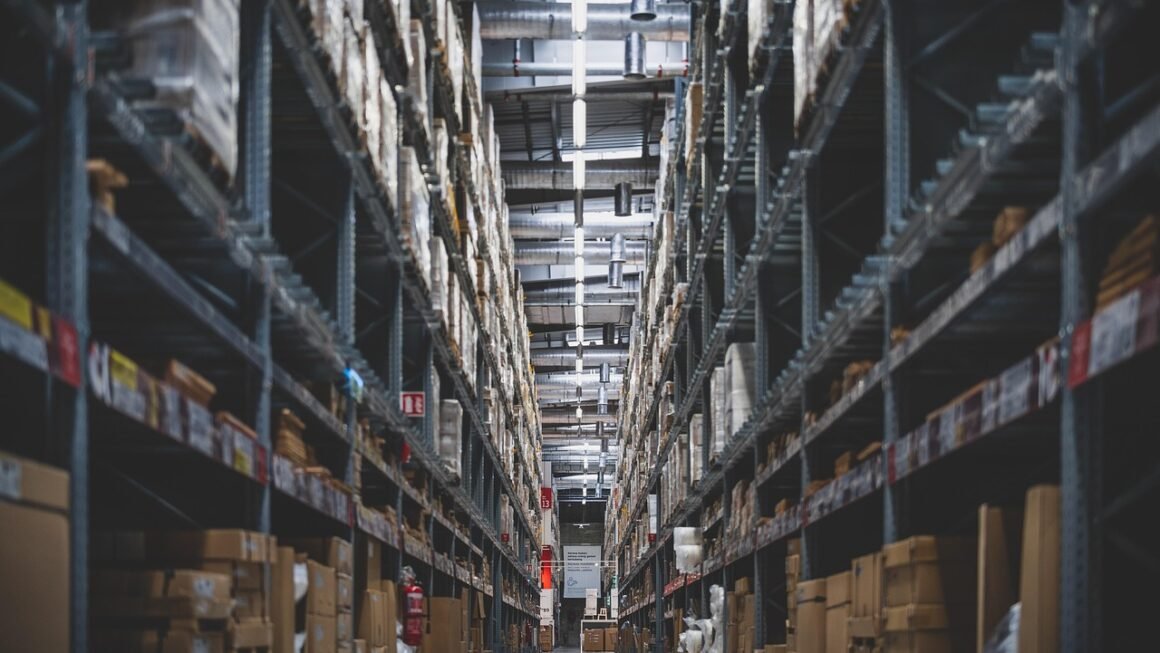
- Warehousing: Managing inventory, storage, and order fulfillment within distribution centers.
- Inventory Management: Optimizing stock levels to meet demand without excessive holding costs.
- Transportation: Utilizing various modes (road, rail, air, sea) to move goods efficiently and cost-effectively from factories to warehouses and finally to retail outlets or customers.
Practical example: Amazon’s sophisticated network of fulfillment centers, aided by robotics, allows for rapid processing and delivery of millions of items daily, showcasing advanced logistics in action.
Returns Management (Reverse Logistics)
Often overlooked, reverse logistics deals with the flow of goods from the consumer back to the manufacturer or retailer for reasons like returns, repairs, recycling, or disposal. With the rise of e-commerce, efficient returns management is increasingly vital for customer satisfaction and sustainability.
The Evolution of Supply Chains: From Linear to Dynamic
Supply chains have undergone a dramatic transformation, driven by globalization, technological advancements, and shifting consumer expectations.
Traditional Supply Chains: Linear and Local
Historically, supply chains were simpler, more localized, and largely linear. A company would source materials, produce goods, and sell them within a relatively confined geographical area. The focus was primarily on cost reduction and maximizing production output through economies of scale.
Globalized Supply Chains: Complex and Interdependent
The late 20th and early 21st centuries saw the rise of globalization. Companies began to offshore manufacturing to leverage lower labor costs and access specialized resources, leading to incredibly complex, interconnected global supply networks. While this brought significant cost savings and wider product availability, it also introduced new vulnerabilities, as demonstrated by events like the 2011 Japanese earthquake and tsunami or the Suez Canal blockage.
Digital Supply Networks: Agile and Resilient
Today, the focus is shifting from purely linear, cost-driven models to agile, resilient, and intelligent digital supply networks (DSN). These networks leverage technology to provide real-time visibility, collaboration, and responsiveness across the entire ecosystem. The emphasis is on building flexibility to withstand disruptions and adapting quickly to market changes, rather than just efficiency at all costs.
Critical Challenges and Risks in Supply Chain
Despite their sophistication, supply chains are inherently vulnerable to a multitude of risks, demanding constant vigilance and strategic planning.
Geopolitical & Economic Volatility
Trade wars, tariffs, political instability, and economic downturns can significantly disrupt global supply flows. For example, trade tensions between major economies can lead to sudden changes in sourcing strategies and increased costs, forcing companies to re-evaluate their entire supplier network. An estimated 80% of companies faced at least one significant supply chain disruption in 2022-2023.
Natural Disasters & Pandemics
Events like earthquakes, floods, hurricanes, and global pandemics (e.g., COVID-19) can cause widespread factory closures, transportation bottlenecks, and labor shortages, bringing entire industries to a standstill. These events highlight the need for diversified sourcing and robust contingency plans.
Cybersecurity Threats
As supply chains become more digital and interconnected, they become prime targets for cyberattacks. Data breaches, ransomware, or attacks on operational technology can cripple logistics, compromise sensitive information, and erode customer trust.
Sustainability & Ethical Sourcing Pressures
Consumers and regulators increasingly demand sustainable and ethically sourced products. Companies face pressure to reduce their carbon footprint, ensure fair labor practices across their supply chain, and avoid materials linked to deforestation or conflict. Failure to address these concerns can lead to significant reputational damage and legal penalties. Actionable takeaway: Conduct thorough due diligence on all suppliers to ensure compliance with ethical and environmental standards.
Talent Shortages & Skill Gaps
The evolving complexity of supply chains, driven by technology, requires a new breed of professionals with skills in data analytics, AI, logistics optimization, and strategic planning. A shortage of such talent can hinder digital transformation efforts and operational efficiency.
Innovations Driving the Future of Supply Chain
Technology is rapidly reshaping the supply chain landscape, offering powerful tools to enhance visibility, efficiency, and resilience.
Artificial Intelligence (AI) & Machine Learning (ML)
AI and ML are revolutionizing supply chain operations through:
- Predictive Analytics: Highly accurate demand forecasting, minimizing overstocking or stockouts.
- Route Optimization: AI algorithms can find the most efficient delivery routes, saving fuel and time.
- Anomaly Detection: Identifying unusual patterns in data that might signal potential disruptions or quality issues.
Practical example: Retailers use AI to analyze vast datasets (sales history, weather, social media trends) to predict future demand for specific products, ensuring shelves are always stocked appropriately.
Blockchain Technology
Blockchain offers a decentralized, immutable ledger that can enhance:
- Transparency: Tracking products from origin to consumer with verifiable records.
- Traceability: Quickly identifying the source of contaminated food or counterfeit goods.
- Trust: Securely sharing information among multiple parties without intermediaries.
Practical example: A food company uses blockchain to track the journey of a specific fruit from farm to table, allowing consumers to scan a QR code and see its entire history, ensuring freshness and ethical sourcing.
Internet of Things (IoT)
IoT involves embedding sensors into products, equipment, and vehicles to collect real-time data. This enables:
- Real-time Asset Tracking: Knowing the precise location of goods in transit.
- Condition Monitoring: Sensors can monitor temperature, humidity, or vibration, crucial for perishable goods.
- Predictive Maintenance: Identifying potential equipment failures before they occur, reducing downtime.
Automation & Robotics
From automated warehouses with robotic arms picking and packing orders to autonomous vehicles for last-mile delivery, automation is boosting efficiency, accuracy, and safety across the supply chain. This addresses labor shortages and speeds up processing times significantly.
Digital Twins
A digital twin is a virtual replica of a physical system, process, or product. In supply chain, it allows companies to create virtual models of their entire network, simulating different scenarios (e.g., a port closure, a sudden demand surge) to test strategies and optimize performance without real-world disruption. Actionable takeaway: Explore pilot projects for new technologies like AI-driven forecasting or IoT tracking to understand their potential impact on your specific operations.
Building a Resilient and Sustainable Supply Chain
In an unpredictable world, the ability to withstand shocks and operate responsibly is paramount for long-term success.
Diversify Your Supplier Base
Relying on a single supplier or a single region for critical components is a major risk. Diversify your sourcing to include multiple suppliers, geographically dispersed, to mitigate the impact of disruptions. Actionable: Regularly conduct supplier risk assessments and develop a “Plan B” for critical materials and services.
Enhance Visibility & Transparency
You can’t manage what you can’t see. Invest in technologies that provide end-to-end visibility into your supply chain, from raw materials to customer delivery. This includes real-time tracking systems, data analytics platforms, and collaborative tools that integrate with partners’ systems. Knowing where your goods are and the status of your suppliers at all times is crucial for rapid response.
Embrace Digital Transformation
The innovations discussed above (AI, IoT, Blockchain) are not optional; they are essential for building a modern, adaptive supply chain. Develop a clear digital strategy roadmap and gradually integrate these technologies to automate processes, improve decision-making, and enhance overall agility. Actionable: Start with a single pilot project, such as implementing an AI-powered demand forecasting tool, to demonstrate value and build internal expertise.
Prioritize Sustainability
Integrate sustainability into every aspect of your supply chain. This involves:
- Measuring and reducing your carbon footprint (e.g., optimizing transportation routes, using renewable energy).
- Adopting circular economy principles (e.g., designing products for durability, reuse, and recycling).
- Ensuring ethical labor practices and fair wages throughout your entire network.
Actionable: Seek certifications (e.g., Fair Trade, ISO 14001) and partner with suppliers who share your commitment to environmental and social responsibility.
Invest in Talent Development
Your people are your greatest asset. Provide training and development opportunities for your supply chain teams to acquire skills in data analytics, digital tools, risk management, and strategic thinking. A skilled workforce is better equipped to leverage new technologies and navigate complex challenges. Actionable: Establish internal mentorship programs and external partnerships with educational institutions to foster a talent pipeline.
Conclusion
The supply chain is no longer just a cost center or a behind-the-scenes operation; it is a strategic differentiator, a driver of innovation, and the very lifeline of global commerce. From the quiet hum of factory floors to the intricate dance of international shipping, every element works in concert to deliver the products and services that define our modern lives. As we look ahead, the emphasis will continue to be on building supply chains that are not only efficient but also resilient, sustainable, and powered by intelligent technologies. Businesses that prioritize these attributes will not only survive future disruptions but thrive, creating value, fostering trust, and shaping a more connected and responsible world.