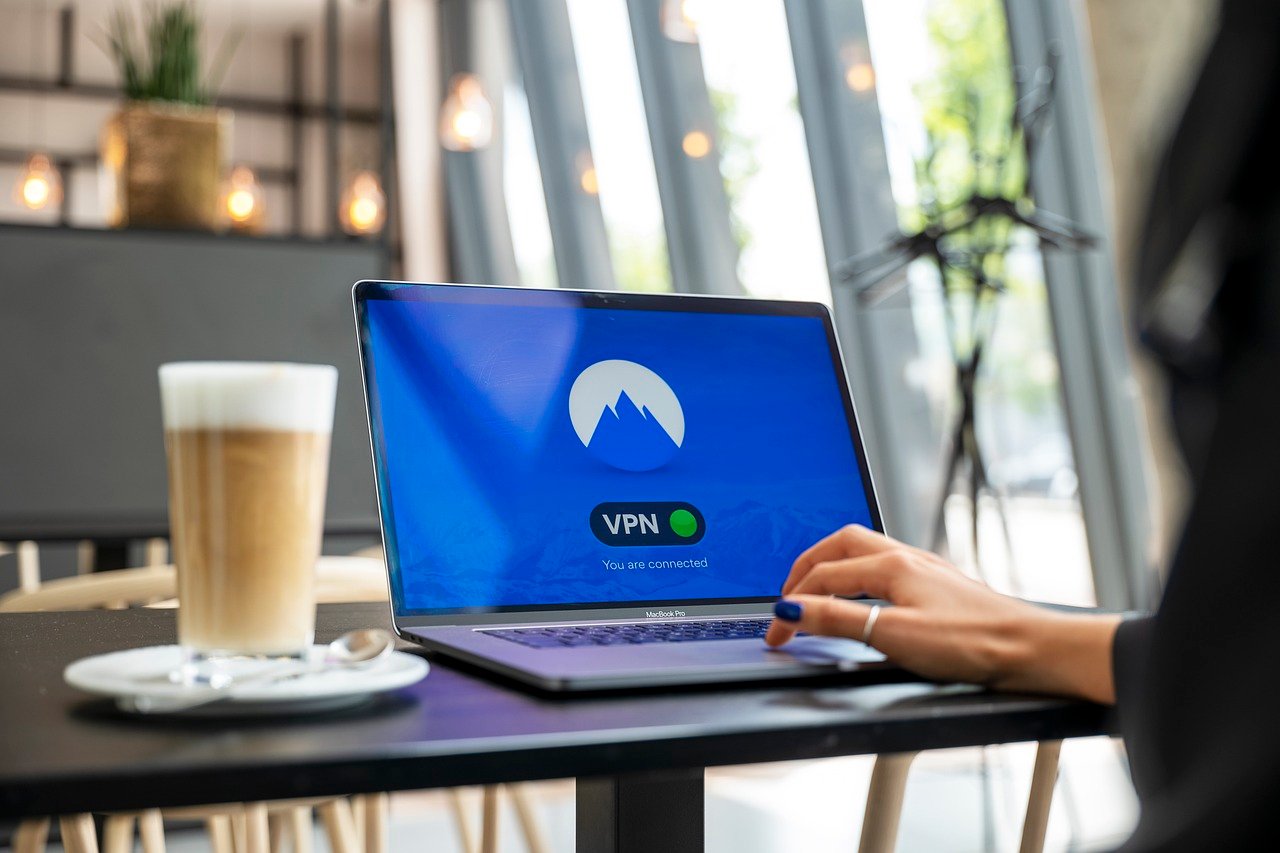
The traditional office model, once the undisputed standard of professional life, is rapidly becoming a relic of the past for many. A quiet revolution has been unfolding, driven by technological advancements, evolving employee expectations, and a global health crisis that accelerated its adoption like never before. This transformative shift, known as telecommuting, remote work, or working from home (WFH), has redefined not just where we work, but how we connect, collaborate, and create value. It’s more than a trend; it’s a fundamental rethinking of the modern workplace, promising unprecedented flexibility and challenging long-held assumptions about productivity and engagement.
The Rise of Telecommuting: A Paradigm Shift
Telecommuting, once a niche perk, has undeniably entered the mainstream, fundamentally altering the landscape of work across industries. This shift isn’t just about convenience; it represents a profound evolution in how organizations operate and how individuals approach their careers.
What is Telecommuting? Defining the Virtual Workplace
Telecommuting refers to the practice of working from a remote location, typically home, using telecommunications technology to stay connected to one’s employer, colleagues, and clients. It encompasses various models:
- Full-time Remote: Employees consistently work outside of a traditional office.
- Hybrid Model: A blend of in-office and remote work, offering flexibility.
- Flexible Arrangements: Employees have the option to work remotely on certain days or for specific tasks.
At its core, telecommuting leverages digital tools to bridge geographical distances, allowing work to be done wherever an internet connection exists.
Historical Context and Recent Surge: From Niche to Necessity
While the concept of remote work dates back decades, the widespread adoption we see today is relatively new. Pre-2020, telecommuting was often viewed as an employee benefit. However, the COVID-19 pandemic acted as an unprecedented catalyst, forcing businesses worldwide to pivot to remote operations almost overnight. This period proved that many jobs previously thought to require a physical presence could be done effectively from afar. Studies show that the percentage of employees working remotely jumped significantly, with many companies permanently adopting hybrid or remote-first policies. For instance, a Gallup survey found that the percentage of U.S. employees working exclusively from home increased from 5% pre-pandemic to 35% at its peak, settling at around 26% even after offices reopened.
Unlocking the Benefits: Why Telecommuting Works
The widespread adoption of telecommuting isn’t merely a reaction to external forces; it’s a strategic move driven by a myriad of benefits for individuals, organizations, and even society at large.
For Employees: Enhanced Flexibility and Well-being
For individuals, the advantages of remote work are often profound, leading to greater job satisfaction and overall quality of life.
- Improved Work-Life Balance: The ability to integrate personal appointments, family responsibilities, and hobbies more seamlessly into the workday. For example, a parent can attend a child’s school event without taking a full day off.
- Reduced Commute Stress: Eliminating the daily travel to and from the office saves time, money, and reduces exposure to stressful traffic. This freed-up time can be reinvested into personal development or relaxation.
- Greater Autonomy and Control: Employees often have more control over their immediate work environment and schedule, leading to increased feelings of trust and empowerment.
- Personalized Workspace: The freedom to design a comfortable and productive home office tailored to individual preferences, from ergonomic setups to ambient lighting.
- Access to a Wider Job Market: Remote roles open up opportunities regardless of geographical location, allowing individuals to pursue roles previously inaccessible without relocation.
For Employers: Cost Savings, Talent Access, and Productivity Gains
Businesses that embrace telecommuting can realize significant operational and strategic advantages.
- Reduced Overhead Costs: Less need for extensive office space, utilities, and maintenance. Companies like Automattic (creators of WordPress.com) are fully distributed, saving immensely on real estate.
- Access to Global Talent Pool: Employers are no longer limited by geography when recruiting, enabling them to hire the best candidates worldwide, fostering diversity and bringing in specialized skills.
- Increased Productivity and Engagement: Many studies suggest remote workers are often more productive due to fewer interruptions, personalized work environments, and reduced commute-related fatigue. A Stanford study found remote employees were 13% more productive.
- Lower Employee Turnover: Offering remote options is a highly valued perk that can increase employee loyalty and retention. Employees are less likely to leave a job that provides the flexibility they desire.
- Enhanced Business Continuity: Telecommuting provides resilience during crises (e.g., natural disasters, pandemics), ensuring operations can continue uninterrupted from remote locations.
For the Environment and Society: A Greener, Less Congested Future
Beyond individual and corporate gains, telecommuting contributes positively to broader societal and environmental goals.
- Reduced Carbon Footprint: Fewer daily commutes mean less vehicle emissions, contributing to cleaner air and combating climate change.
- Decreased Traffic Congestion: Fewer cars on the road during peak hours lead to less traffic, saving time and fuel for essential commuters and improving urban living.
- Economic Development in Rural Areas: As individuals move out of expensive urban centers, they can bring economic activity to smaller towns and rural communities, fostering more balanced regional growth.
Navigating the Challenges of Virtual Work
While the benefits of telecommuting are compelling, it’s crucial to acknowledge and address the inherent challenges. A successful remote model requires proactive strategies to mitigate potential downsides for both employees and organizations.
Common Hurdles for Individuals: Isolation and Work-Life Blur
For telecommuters, the lines between professional and personal life can easily blur, leading to new forms of stress.
- Risk of Social Isolation: Lack of impromptu water cooler conversations and direct human interaction can lead to feelings of loneliness and detachment from colleagues.
- Work-Life Boundary Issues: The home office can make it difficult to “switch off,” leading to longer hours, burnout, and mental fatigue. For example, checking emails late into the evening becomes more tempting when the laptop is just a few feet away.
- Communication Breakdowns: Misunderstandings can arise from a lack of non-verbal cues in virtual communication, making effective collaboration harder without clear protocols.
- Technology Dependence and Glitches: Reliance on personal internet connections and home equipment means that technical issues can directly impede productivity and cause frustration.
- Distractions at Home: While an office can have distractions, home can too – family members, pets, household chores, or even the comfort of a sofa can pull attention away from work tasks.
Employer-Specific Challenges: Maintaining Culture and Security
Organizations must strategically manage their remote workforce to ensure productivity, cohesion, and security.
- Maintaining Company Culture: Fostering a strong, unified company culture can be challenging without regular in-person interaction, potentially impacting team morale and employee engagement.
- Performance Management and Trust: Shifting from “facetime” to output-based performance metrics requires a change in management style, focusing on results rather than hours spent at a desk.
- Cybersecurity Risks: Managing security for a distributed workforce involves securing various home networks and personal devices, increasing the attack surface for cyber threats. Sensitive company data needs robust protection.
- Ensuring Equity and Inclusion: Preventing a two-tiered system where in-office employees receive more attention or opportunities than remote counterparts. Ensuring all employees feel equally valued and connected.
- Onboarding and Training: Integrating new hires and providing effective training can be more complex in a fully remote or hybrid setup, requiring structured virtual programs.
Best Practices for Successful Telecommuting
Thriving in a telecommuting environment requires intentional effort and strategic implementation from both employees and organizations. It’s about building a robust framework that supports flexibility without sacrificing productivity or well-being.
For Telecommuters: Establishing Routines and Boundaries
Individual remote workers can significantly enhance their experience through mindful habits and dedicated setups.
- Create a Dedicated Workspace: Designate a specific area for work, even if it’s a corner of a room. This helps mentally separate work from personal life. Keep it organized and free from clutter.
- Establish a Consistent Routine: Stick to regular start and end times, schedule breaks, and even get dressed as if going to the office. This structure mimics an office environment and helps maintain discipline.
- Prioritize Communication: Proactively communicate with colleagues and managers. Be clear, concise, and don’t hesitate to ask questions. Utilize video calls to maintain personal connections.
- Take Regular Breaks: Step away from your desk, stretch, walk around, or even go outside. This prevents burnout and recharges your focus.
- Set Clear Boundaries: Communicate your working hours to family members and resist the urge to work outside those hours. Close your laptop at the end of the day to signal the end of work.
Practical Example: Instead of working from your bedroom, set up a small desk in a quiet corner of your living room. At 9 AM, start your workday, take a 30-minute lunch break, and “commute” to your living room sofa at 5 PM to signal the end of your workday.
For Organizations: Clear Policies and Culture Building
Companies must adapt their infrastructure, management styles, and culture to support a thriving remote workforce.
- Develop Clear Remote Work Policies: Outline expectations for availability, communication, equipment, and cybersecurity. Ensure these policies are easily accessible and understood by all.
- Invest in the Right Technology: Provide reliable hardware (laptops, monitors) and software (collaboration tools, VPNs, security software) to ensure employees have the resources they need to perform their jobs effectively and securely.
- Foster a Culture of Trust and Autonomy: Shift management focus from “micromanaging” to results-driven performance. Empower employees to manage their own time and tasks, demonstrating trust.
- Prioritize Communication and Connection: Implement strategies for virtual team building, regular check-ins (both formal and informal), and virtual social events to combat isolation and foster camaraderie. Consider virtual coffee breaks or themed happy hours.
- Provide Training and Support: Offer training on remote work tools, cybersecurity best practices, and time management skills. Provide mental health resources to address potential issues like burnout or isolation.
Practical Example: A company could implement a weekly “virtual water cooler” session where teams can chat about non-work topics for 15 minutes, or provide a stipend for employees to set up ergonomic home offices.
Technology & Tools: Powering the Virtual Office
The backbone of successful telecommuting lies in effective technology and collaboration tools.
- Communication & Collaboration Platforms:
- Slack/Microsoft Teams: For instant messaging, group discussions, and file sharing.
- Zoom/Google Meet/Webex: For video conferencing, virtual meetings, and screen sharing.
- Project Management Tools:
- Asana/Trello/Jira: For task tracking, project planning, and workflow management.
- Document Sharing & Storage:
- Google Drive/OneDrive/Dropbox: For cloud-based document creation, storage, and real-time collaboration.
- Security & Network Access:
- VPN (Virtual Private Network): For secure access to company networks and data.
- Password Managers/Two-Factor Authentication: For enhanced account security.
The Future of Work: Hybrid Models and Beyond
Telecommuting is not just a temporary solution; it’s a foundational element shaping the future of work. The next evolution is likely to be a nuanced blend of remote and in-office presence.
The Rise of Hybrid Work: Best of Both Worlds?
The hybrid work model is emerging as a popular compromise, seeking to leverage the benefits of both in-person collaboration and remote flexibility. This model allows employees to split their time between working from home and coming into a central office location. For instance, employees might come into the office two or three days a week for team meetings and focused collaborative sessions, while working remotely for individual tasks.
- Advantages: Offers flexibility, maintains in-person connection, facilitates mentorship, and supports spontaneous creativity.
- Challenges: Requires careful planning to avoid a “two-tier” employee system, necessitates adaptable office spaces, and demands strong communication to ensure equitable access and opportunities.
Preparing for a Flexible Future: Adaptability is Key
Organizations and individuals must continue to adapt and innovate to thrive in this evolving landscape.
- Policy Frameworks: Companies need to develop clear, adaptable policies for hybrid work, addressing everything from office attendance expectations to technology stipends and cybersecurity protocols.
- Technology Infrastructure: Continued investment in robust, secure, and user-friendly digital tools will be paramount to support seamless collaboration, whether employees are in the office or thousands of miles away.
- Leadership Skills: Managers will need to hone skills in leading distributed teams, focusing on empathy, trust, output management, and fostering inclusivity across different work locations.
- Office Spaces Reinvented: Physical offices will likely transform into collaborative hubs, designed for team meetings, brainstorming, and social connection, rather than individual desk work.
The future workplace will be defined by its agility and its capacity to empower employees to do their best work, wherever they are.
Conclusion
Telecommuting has transcended its initial perception as a temporary measure to become a cornerstone of modern work. It offers a powerful blend of flexibility, efficiency, and sustainability, unlocking significant benefits for employees, employers, and the wider community. While navigating challenges such as potential isolation and maintaining company culture requires diligent effort and strategic planning, the advancements in technology and a growing understanding of best practices are paving the way for increasingly successful remote and hybrid work models.
As we look ahead, the workplace will continue to evolve, with flexibility and employee well-being at its heart. Embracing telecommuting is not just about adapting to change; it’s about proactively shaping a more dynamic, inclusive, and productive future for everyone involved. The virtual office is here to stay, and its potential to redefine how we live and work is only just beginning to be fully realized.