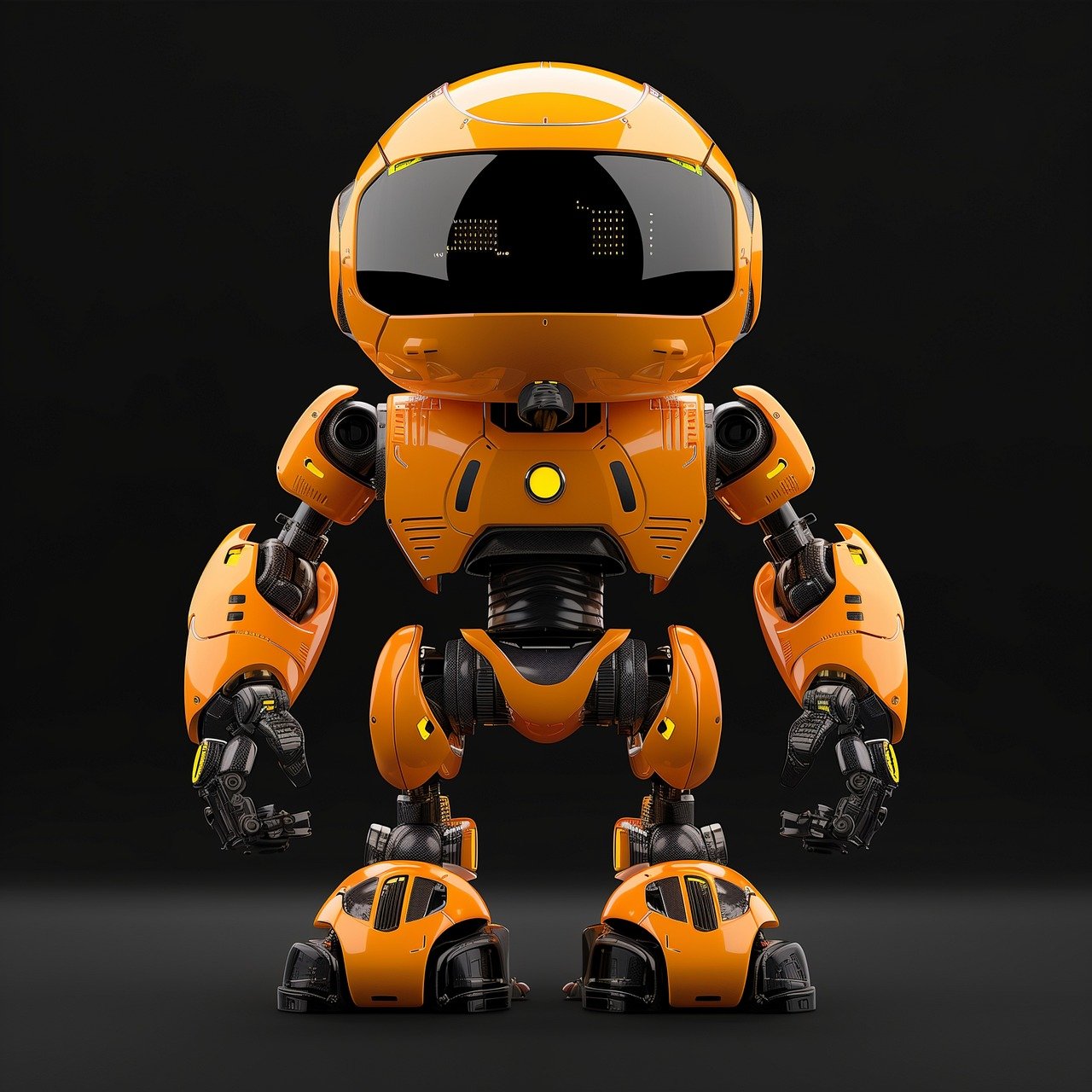
Artificial intelligence is no longer a futuristic concept; it’s a dynamic force reshaping our present and actively sculpting our future. From powering personalized recommendations to accelerating scientific discovery, the relentless pace of AI innovation is transforming every facet of human endeavor. This blog post delves into the core of these groundbreaking advancements, exploring the technologies driving them, their impact across industries, and the ethical considerations we must navigate as we embrace this new era of intelligent machines.
## The AI Revolution: A New Era of Intelligence
The current surge in AI innovation is unprecedented, moving beyond theoretical discussions to tangible, real-world applications. This revolution is characterized by rapid advancements in machine learning algorithms, increased computational power, and the availability of vast datasets, collectively fueling a new era of intelligent systems.
### Understanding the Core Components of Modern AI
At its heart, modern AI relies on several interconnected components that enable machines to learn, reason, and make decisions.
- Machine Learning (ML): The fundamental capability for systems to learn from data without explicit programming. This includes supervised, unsupervised, and reinforcement learning.
- Deep Learning (DL): A subset of ML utilizing neural networks with multiple layers (deep neural networks) to identify complex patterns in data, especially effective for image, speech, and natural language processing.
- Natural Language Processing (NLP): Allows computers to understand, interpret, and generate human language, enabling capabilities like chatbots, language translation, and sentiment analysis.
- Computer Vision: Equips machines with the ability to “see” and interpret visual information from images and videos, crucial for self-driving cars, facial recognition, and medical imaging analysis.
Actionable Takeaway: To leverage AI, businesses should identify specific problems that can be solved by learning from data, then explore which AI component best fits the solution.
### Key Drivers of Recent Progress in AI
Several factors have converged to accelerate the current wave of AI innovation, making previously impossible applications a reality.
- Exponential Data Growth: The proliferation of digital devices and sensors generates massive amounts of data, which is the fuel for AI algorithms to learn and improve.
- Advanced Computational Power: The availability of powerful GPUs (Graphics Processing Units) and cloud computing resources has significantly reduced the cost and time required to train complex AI models.
- Algorithm Enhancements: Continuous research and development have led to more sophisticated and efficient AI algorithms, capable of handling more complex tasks with greater accuracy.
- Open-Source Ecosystems: Frameworks like TensorFlow and PyTorch, along with vast open-source datasets, have democratized AI development, making it accessible to a broader community of researchers and developers.
Practical Example: Google’s AlphaGo, which famously beat a world champion Go player, was a testament to both advanced algorithms (deep reinforcement learning) and immense computational power.
## Cutting-Edge AI Innovations Redefining Industries
The impact of AI innovation is profound, extending its reach into virtually every sector and fundamentally altering how businesses operate and how individuals interact with the world.
### Generative AI and Creative Applications
Perhaps one of the most exciting and rapidly evolving areas is generative AI, which can create new content, designs, and even code.
- Content Creation: AI models like GPT-4 can generate high-quality text for articles, marketing copy, and scripts, significantly boosting productivity for content creators.
- Art and Design: Tools like DALL-E 2 and Midjourney can produce stunning visual art from simple text prompts, revolutionizing graphic design and artistic expression.
- Product Development: Generative AI is being used in engineering to design new molecules for drugs or optimize complex industrial parts, leading to faster innovation cycles.
Actionable Takeaway: Businesses can experiment with generative AI tools to automate routine content tasks, brainstorm creative ideas, or even design preliminary product concepts, freeing up human talent for more strategic work.
### AI in Healthcare: Diagnostics and Drug Discovery
AI innovation is making significant strides in healthcare, promising more precise diagnoses, personalized treatments, and accelerated research.
- Early Disease Detection: AI algorithms can analyze medical images (X-rays, MRIs, CT scans) with greater accuracy and speed than human doctors, identifying diseases like cancer or retinopathy at earlier stages. For example, some AI systems are showing accuracy rates comparable to or even exceeding human experts in detecting certain conditions.
- Personalized Medicine: AI analyzes patient data, including genomics, medical history, and lifestyle, to tailor treatment plans and predict drug efficacy, leading to more effective and safer therapies.
- Drug Discovery and Development: AI accelerates the identification of potential drug candidates and predicts their interactions, drastically reducing the time and cost associated with developing new medications.
Practical Example: Google Health’s AI model has demonstrated capabilities in detecting breast cancer from mammograms with fewer false positives and false negatives than human radiologists.
### Autonomous Systems and Robotics
The development of autonomous systems, from self-driving cars to advanced industrial robots, is a cornerstone of current AI innovation, promising efficiency and safety improvements.
- Self-Driving Vehicles: AI powers the perception, decision-making, and control systems of autonomous cars, aiming to reduce accidents and optimize traffic flow. Companies like Waymo and Cruise are already operating limited autonomous taxi services.
- Robotics in Manufacturing: AI-driven robots are performing complex assembly tasks with precision, increasing production efficiency and reducing human exposure to hazardous environments.
- Drone Technology: AI enables drones to perform autonomous inspections of infrastructure, precision agriculture, and even package delivery, navigating complex environments independently.
Actionable Takeaway: Industries relying on repetitive tasks or operating in dangerous environments should explore AI-powered robotics and autonomous systems to enhance safety and operational efficiency.
## Navigating the Challenges and Ethical Considerations
While the potential of AI innovation is immense, it also brings a host of challenges and ethical dilemmas that require careful consideration and proactive solutions.
### Data Privacy and Security Imperatives
The reliance of AI on vast datasets raises significant concerns about privacy and the security of sensitive information.
- Data Breaches: Large datasets, especially those containing personal or sensitive information, become attractive targets for cyberattacks.
- Bias in Data: If the data used to train AI models is biased, the AI’s outputs will reflect and even amplify those biases, leading to unfair or discriminatory outcomes.
- Privacy-Preserving AI: Techniques like federated learning and differential privacy are emerging to allow AI models to learn from data without directly exposing individual user information.
Practical Tip: Implement robust data governance frameworks, conduct regular privacy impact assessments, and explore privacy-enhancing technologies when developing or deploying AI systems.
### The Importance of Responsible AI Development
Ensuring that AI is developed and deployed responsibly is crucial to building trust and preventing adverse societal impacts.
- Fairness and Accountability: AI systems must be fair, transparent, and accountable for their decisions, especially in critical areas like employment, lending, or criminal justice.
- Transparency and Explainability (XAI): Developing AI models whose decisions can be understood and explained by humans is vital for auditing, debugging, and building user confidence.
- Human Oversight: Maintaining human-in-the-loop approaches for critical AI applications ensures that human judgment and ethics can override automated decisions when necessary.
Actionable Takeaway: Establish clear ethical guidelines and internal review boards for AI projects. Prioritize explainable AI models and ensure robust human oversight mechanisms are in place, particularly for high-stakes applications.
## The Future of AI: Trends and Predictions
The trajectory of AI innovation shows no signs of slowing down. Several emerging trends promise to further integrate AI into the fabric of our lives and industries.
### Hyper-Personalization and Adaptive AI
The future will see AI systems becoming even more tailored and responsive to individual needs and contexts.
- Proactive AI Assistants: Beyond answering questions, future AI will anticipate needs, offer proactive solutions, and manage complex tasks autonomously based on learned preferences.
- Personalized Learning and Healthcare: AI will create dynamic, adaptive educational experiences and highly individualized health interventions, constantly adjusting to a user’s progress or condition.
- Contextual Awareness: AI will integrate more deeply with IoT devices and sensors to understand real-world contexts, leading to more intelligent and seamless interactions across environments.
Practical Example: Imagine an AI that adjusts your smart home environment, plans your commute based on real-time traffic and your calendar, and suggests health interventions based on wearable data, all seamlessly and proactively.
### AI’s Role in Sustainable Development
AI innovation is increasingly being leveraged to address some of the world’s most pressing environmental and social challenges, contributing to the UN Sustainable Development Goals.
- Climate Change Mitigation: AI optimizes energy grids, predicts extreme weather events, and helps design sustainable infrastructure, reducing carbon footprints.
- Resource Management: AI enhances precision agriculture, optimizes water usage, and improves waste management and recycling processes.
- Disaster Response: AI analyzes satellite imagery and social media data to aid in disaster prediction, early warning systems, and efficient resource allocation during crises.
Actionable Takeaway: Businesses should explore how AI can contribute to their sustainability initiatives, from optimizing resource consumption to developing new eco-friendly products and services.
### Edge AI and Decentralized Intelligence
Moving AI processing closer to the data source, rather than relying solely on centralized cloud servers, is a significant future trend.
- Faster Response Times: Processing data on the device (at the “edge”) reduces latency, crucial for real-time applications like autonomous vehicles and industrial automation.
- Enhanced Privacy and Security: Less data needs to be sent to the cloud, reducing privacy risks and potential attack vectors.
- Reduced Bandwidth Needs: Edge AI reduces the strain on network infrastructure by processing data locally, making it more efficient for remote or bandwidth-constrained environments.
Practical Example: Smart security cameras using edge AI can identify suspicious activity directly on the device, sending only alerts rather than continuous video streams to the cloud, offering both speed and privacy benefits.
## Conclusion
The landscape of AI innovation is evolving at a breathtaking pace, promising to redefine industries, solve complex challenges, and enhance human capabilities in unprecedented ways. From the creative power of generative AI to the life-saving potential in healthcare and the efficiency of autonomous systems, the transformative impact of artificial intelligence is undeniable. While navigating the critical ethical considerations of data privacy and responsible development is paramount, embracing the future of AI offers immense opportunities for growth, sustainability, and a more intelligent world. Staying informed and actively engaging with these advancements will be key to harnessing the full potential of this remarkable technological revolution.