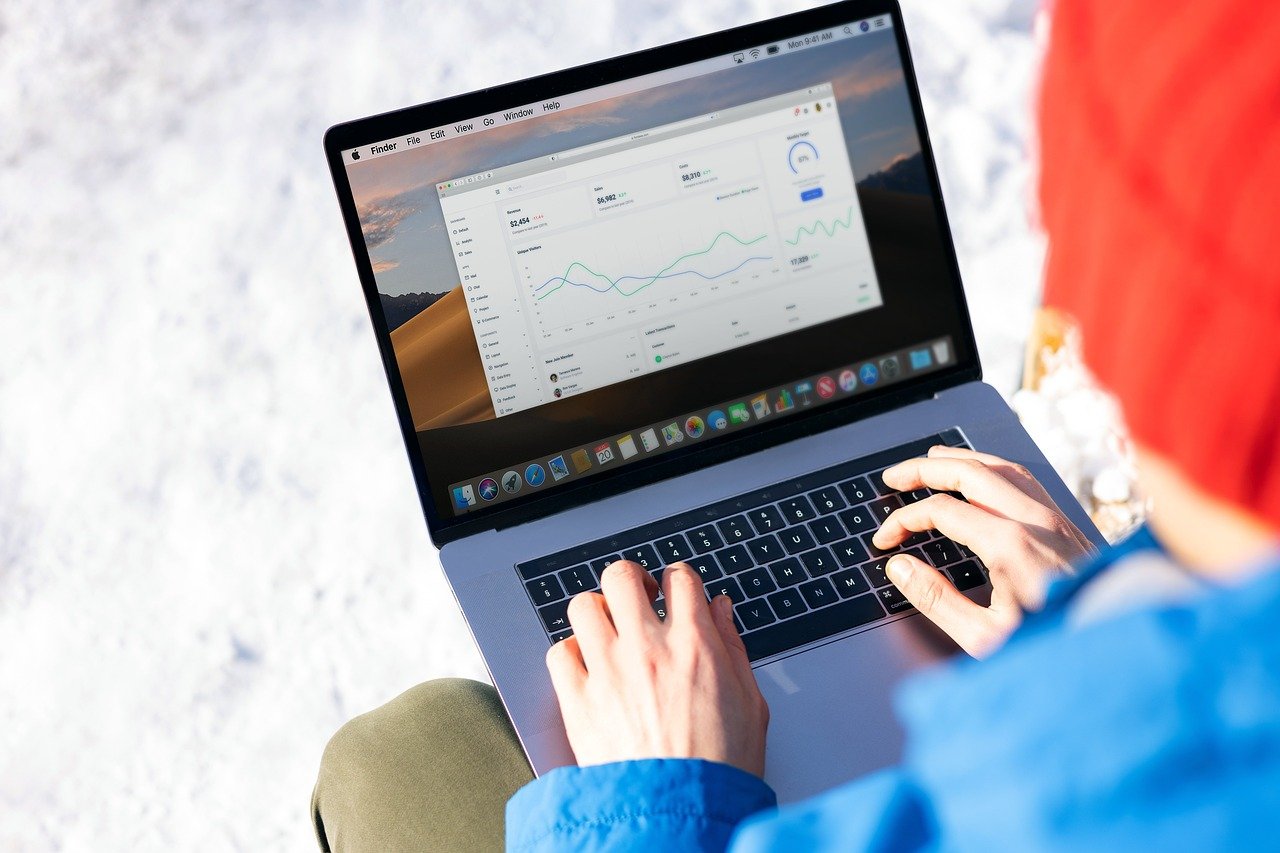
The traditional 9-to-5 office paradigm is rapidly becoming a relic of the past. What was once considered a niche perk for a select few has transformed into a fundamental aspect of the modern professional landscape: remote work. Spurred by technological advancements and accelerated by global events, the shift towards a decentralized workforce has profound implications for businesses, employees, and the very fabric of how we define our careers. This comprehensive guide delves into the nuances of remote work, exploring its evolution, benefits, challenges, and what the future holds for this transformative model.
The Evolution and Landscape of Remote Work
Remote work, often interchangeably referred to as work-from-home (WFH), flexible work, or distributed teams, signifies a significant departure from conventional office-centric employment. It’s more than just working from a different location; it represents a fundamental shift in how organizations operate and how individuals approach their careers.
What is Remote Work?
At its core, remote work is an employment arrangement where employees do not commute to a central office location. Instead, they perform their job duties from a variety of settings outside the traditional workplace, such as their homes, co-working spaces, or even while traveling as a digital nomad. This model is underpinned by trust, clear communication, and robust digital tools.
The Shift: From Niche to Norm
For decades, remote work was a burgeoning trend, often confined to specific industries like IT or freelancers. The advent of high-speed internet, cloud computing, and advanced communication platforms slowly laid the groundwork. However, the global pandemic of 2020 served as an unprecedented catalyst, forcing companies worldwide to adopt remote models almost overnight. This involuntary experiment proved to many skeptics that remote work was not only feasible but often highly effective. Post-pandemic, many studies (e.g., from Gallup, Stanford) indicate that a significant percentage of the global workforce expects and prefers some form of remote or hybrid work arrangement, with many companies permanently embracing these flexible models.
Different Models: Fully Remote, Hybrid, and Distributed
The landscape of flexible work isn’t monolithic; it comprises several distinct models:
- Fully Remote: The entire organization operates without a central physical office. All employees work from their chosen locations, and all interactions are primarily digital. This model often emphasizes building a strong virtual office culture.
- Hybrid Work: This model blends remote and in-office work. Employees typically split their time between working from home and coming into a physical office on specific days or for certain collaborative tasks. This is a popular model for companies seeking to balance flexibility with in-person connection.
- Distributed Teams: Similar to fully remote, but often emphasizes teams spread across different cities, countries, or even continents. This model inherently leverages a global talent pool and requires sophisticated remote collaboration strategies.
Actionable Takeaway: Before transitioning, businesses should clearly define which remote work model best suits their culture, operational needs, and employee preferences. Clear policies and expectations are paramount.
Benefits of Remote Work
The widespread adoption of remote work isn’t merely a reaction to external circumstances; it’s driven by a compelling array of benefits for both employees and employers, contributing to enhanced well-being and organizational efficiency.
For Employees
The advantages for individuals are often cited as the primary drivers of satisfaction and retention:
- Enhanced Work-Life Balance: Remote work offers greater flexibility to manage personal commitments, family needs, and hobbies alongside professional responsibilities. For instance, an employee can attend a child’s school event or schedule a mid-day appointment without disrupting their entire workday.
- Elimination of Commute: Saving hours each week on commuting translates to more personal time, reduced stress, and significant cost savings on fuel, public transport, and vehicle maintenance.
- Location Independence: Employees are no longer tied to specific geographic locations, opening up opportunities to live in more affordable areas, closer to family, or pursue a desired lifestyle (e.g., living as a digital nomad).
- Increased Autonomy and Control: Having the freedom to design one’s workspace and schedule (within reason) often leads to a greater sense of ownership and empowerment over one’s work.
- Improved Well-being: Reduced stress from commuting and increased personal time can lead to better mental health, sleep, and overall life satisfaction.
Example: A software developer living in a high cost-of-living city can move to a rural area, purchase a larger home, and enjoy a quieter lifestyle, all while maintaining their current job and salary, thereby significantly improving their quality of life.
For Employers
Companies embracing remote work also stand to gain substantial strategic and operational advantages:
- Access to a Global Talent Pool: Removing geographical constraints means employers can recruit the best talent from anywhere in the world, not just within commuting distance of their office. This is crucial for filling specialized roles.
- Reduced Overhead Costs: Significant savings can be realized on office space rent, utilities, supplies, and facilities management. Many companies downsize their physical footprint or move to smaller, collaborative hubs.
- Increased Productivity (Potentially): While debated, many studies suggest that remote workers can be more productive due to fewer distractions, greater autonomy, and a more comfortable work environment. For example, a Buffer report found 90% of remote workers believe they are as or more productive working remotely.
- Higher Employee Retention and Engagement: Offering flexible work options is a key differentiator in attracting and retaining top talent. Employees who feel trusted and supported are more likely to be engaged and loyal.
- Enhanced Business Continuity: Remote capabilities provide resilience against unforeseen disruptions (like natural disasters or health crises), allowing operations to continue largely uninterrupted.
Example: A marketing agency based in London can hire an exceptional SEO specialist located in Berlin, eliminating relocation costs and expanding their expertise without the need for additional office space.
Economic and Environmental Impact
Beyond individual and organizational benefits, remote work contributes positively to broader societal well-being:
- Reduced Carbon Footprint: Fewer commuters mean less traffic congestion, lower fuel consumption, and decreased greenhouse gas emissions.
- Economic Decentralization: Remote work can revitalize local economies outside major urban centers as people move away from expensive cities, spending their income in new communities.
Actionable Takeaway: Actively communicate these benefits to both current and prospective employees. For employers, quantify the cost savings and talent acquisition advantages to build a strong business case for remote policies.
Mastering Remote Work Productivity and Collaboration
Sustaining productivity and effective remote collaboration requires more than just a laptop and an internet connection. It demands intentional strategies, the right tools, and a commitment to clear communication.
Essential Tools for a Virtual Office
A robust tech stack is the backbone of any successful virtual office. These tools facilitate communication, project management, and file sharing, creating a seamless remote experience:
- Communication Platforms: Tools like Slack, Microsoft Teams, and Google Chat provide instant messaging, channel-based discussions, and voice/video calls, reducing reliance on email for quick queries.
- Video Conferencing: Zoom, Google Meet, and Microsoft Teams are indispensable for virtual meetings, presentations, and team catch-ups, bringing a face-to-face element to distributed teams.
- Project Management Software: Asana, Trello, Jira, and Monday.com help teams track tasks, deadlines, and project progress collaboratively, ensuring everyone knows their responsibilities and project status.
- Document Collaboration & Cloud Storage: Google Workspace (Docs, Sheets, Drive) and Microsoft 365 (Word, Excel, SharePoint) enable real-time co-editing of documents and secure file storage, essential for shared work.
- Time Tracking & Productivity Apps: Tools like Toggl or Clockify can help individuals manage their time, while focus apps like Forest or Freedom can minimize digital distractions.
Practical Tip: Standardize a core set of tools across your organization to avoid confusion and ensure everyone is comfortable using them. Provide comprehensive training and support for new software.
Strategies for Maintaining Productivity
Individual productivity in a remote setting often hinges on discipline and self-management:
- Create a Dedicated Workspace: Having a specific area for work (even a corner of a room) helps to mentally separate work life from home life.
- Establish a Routine: Stick to a consistent schedule, including start and end times, and planned breaks. This mimics the structure of an office day and helps maintain work-life balance.
- Set Clear Goals and Priorities: Use techniques like “time blocking” or the Pomodoro Technique to focus on high-priority tasks and minimize multitasking.
- Minimize Distractions: Turn off non-essential notifications, inform family members of your working hours, and use website blockers if necessary.
Example: An employee might start their day with a 30-minute exercise routine, then transition to their home office at 9 AM, use a project management tool to prioritize tasks, take a defined lunch break, and sign off promptly at 5 PM.
Fostering Effective Remote Collaboration
Building strong teamwork without physical proximity requires intentional effort:
- Scheduled Regular Check-ins: Daily stand-ups (even 15 minutes) or weekly team meetings ensure everyone is aligned and provides a forum for quick updates and problem-solving.
- Clear Communication Guidelines: Define when to use instant messaging, email, or video calls for different types of communication. Encourage conciseness and clarity in all interactions.
- Utilize Asynchronous Communication: Not all communication needs to be real-time. Use tools like shared documents or project comments to allow team members in different time zones to contribute without immediate responses.
- Virtual Team-Building Activities: Schedule non-work-related virtual coffee breaks, game nights, or trivia sessions to foster camaraderie and prevent isolation.
Actionable Takeaway: Managers should lead by example in utilizing collaboration tools and setting communication norms. Encourage team members to over-communicate rather than assume, especially in diverse distributed teams.
Addressing the Challenges of Remote Work
While the benefits are significant, remote work is not without its hurdles. Proactive strategies are essential to mitigate common issues and ensure long-term success, focusing on employee engagement and well-being.
Overcoming Isolation and Maintaining Connection
One of the most frequently cited downsides of remote work is the potential for loneliness and a feeling of disconnection from colleagues:
- Scheduled Social Interactions: Beyond work meetings, organize informal virtual coffee breaks, team lunches (where everyone orders in), or online games.
- Encourage Watercooler Moments: Create dedicated Slack channels for non-work discussions (e.g., #pets, #hobbies) to mimic casual office interactions.
- Regular 1:1 Check-ins: Managers should schedule frequent, dedicated one-on-one time with each team member to discuss both work progress and personal well-being.
- Optional In-Person Gatherings: For hybrid or fully remote teams, consider periodic in-person retreats or team-building events if feasible, fostering deeper connections.
Example: A company might host a monthly “virtual happy hour” where different team members volunteer to lead a short activity or share a fun fact about their week, encouraging lighthearted interaction.
Ensuring Work-Life Balance and Preventing Burnout
The blurred lines between home and office can lead to overworking and burnout if not managed effectively:
- Set Clear Boundaries: Encourage employees to “clock out” at the end of their workday, close work applications, and avoid checking emails after hours.
- Promote Digital Detox: Encourage employees to take regular breaks, use their vacation time, and fully disconnect during non-working hours.
- Managerial Support and Training: Train managers to recognize signs of burnout in remote employees and empower them to intervene and provide support.
- Flexible Schedules: While a routine is good, offering flexibility (e.g., enabling parents to work non-traditional hours) can help employees manage personal responsibilities without sacrificing work quality.
Practical Tip: Implement a company-wide “no meetings” policy for at least one day a week or for specific blocks of time, allowing employees dedicated focus time without interruption.
Cybersecurity and Data Protection
Distributing a workforce across multiple locations introduces new security vulnerabilities that must be addressed:
- Secure VPN Access: Mandate the use of Virtual Private Networks (VPNs) for accessing company networks and sensitive data.
- Strong Password Policies & Multi-Factor Authentication (MFA): Enforce strong, unique passwords and require MFA for all accounts.
- Employee Training: Regularly train employees on cybersecurity best practices, phishing awareness, and data handling protocols.
- Device Management: Implement policies for personal device usage (BYOD) and provide secure company-issued equipment where appropriate.
- Secure Cloud Solutions: Utilize reputable cloud providers with strong security certifications for data storage and collaboration.
Actionable Takeaway: Conduct regular security audits and maintain clear, up-to-date IT policies specifically tailored for a remote work environment. This protects both company assets and employee data.
The Future of Remote Work and Hybrid Models
The conversation around remote work is no longer about if it will endure, but how it will evolve. The future of work is undeniably flexible, placing a premium on adaptability and agility.
The Blended Workspace: Hybrid Work
Many organizations are gravitating towards a hybrid work model as the most sustainable long-term solution. This approach aims to capture the best of both worlds:
- Optimized Office Space: Offices are being redesigned as hubs for collaboration, innovation, and social connection rather than individual workspaces. Think “clubhouses” or “team neighborhoods.”
- Strategic In-Office Days: Teams might convene in the office for specific collaborative projects, brainstorming sessions, or company-wide events, while individual focus work is done remotely.
- Fairness and Inclusion: A key challenge for hybrid models is ensuring equitable experiences for both in-office and remote employees, particularly regarding career progression and access to leadership.
Example: A tech company might designate Tuesdays and Thursdays as “collaboration days” where teams are encouraged to come into the office for joint planning and whiteboarding, while other days are fully remote for deep work.
Adaptability and Agility in the Modern Workforce
Companies that thrive in this new era will be those that remain agile and responsive to changing employee needs and market dynamics. This means:
- Continuous Learning and Upskilling: Investing in training for both managers (on leading distributed teams) and employees (on effective remote practices).
- Flexible Policies: Regular review and adaptation of remote work policies based on feedback, performance data, and evolving technological capabilities.
- Focus on Outcomes, Not Presence: Shifting management philosophy from monitoring hours or physical presence to evaluating results and impact.
Preparing for a Distributed Future
Looking ahead, organizations must continue to invest strategically to build resilient, effective distributed teams:
- Robust Technology Infrastructure: Ongoing investment in cloud-based tools, secure networks, and home office stipends to support a high-performing remote workforce.
- Fostering a Culture of Trust: Building an organizational culture where trust, transparency, and clear communication are paramount, regardless of location.
- Leadership Buy-in: Ensuring that senior leadership fully champions and models effective remote and hybrid work practices.
- Rethinking Performance Management: Developing new metrics and frameworks for evaluating performance in a remote context, emphasizing results and contribution.
Actionable Takeaway: Regularly solicit feedback from employees about their remote work experience. Use this data to iterate on policies, tools, and cultural initiatives, ensuring your flexible work model truly supports both the business and its people.
Conclusion
Remote work is far more than a temporary trend; it represents a fundamental recalibration of professional life. From enhancing work-life balance and expanding talent acquisition for employers, to presenting challenges around well-being and remote collaboration, its impact is multifaceted and profound. As we move forward, the most successful organizations will be those that embrace flexibility, invest in the right technologies, prioritize employee engagement, and cultivate a culture of trust and adaptability. The future of work is here, and it’s increasingly distributed, demanding thoughtful strategy and continuous evolution from all stakeholders. By understanding its intricacies and proactively addressing its demands, businesses and individuals alike can harness the full potential of this transformative model.