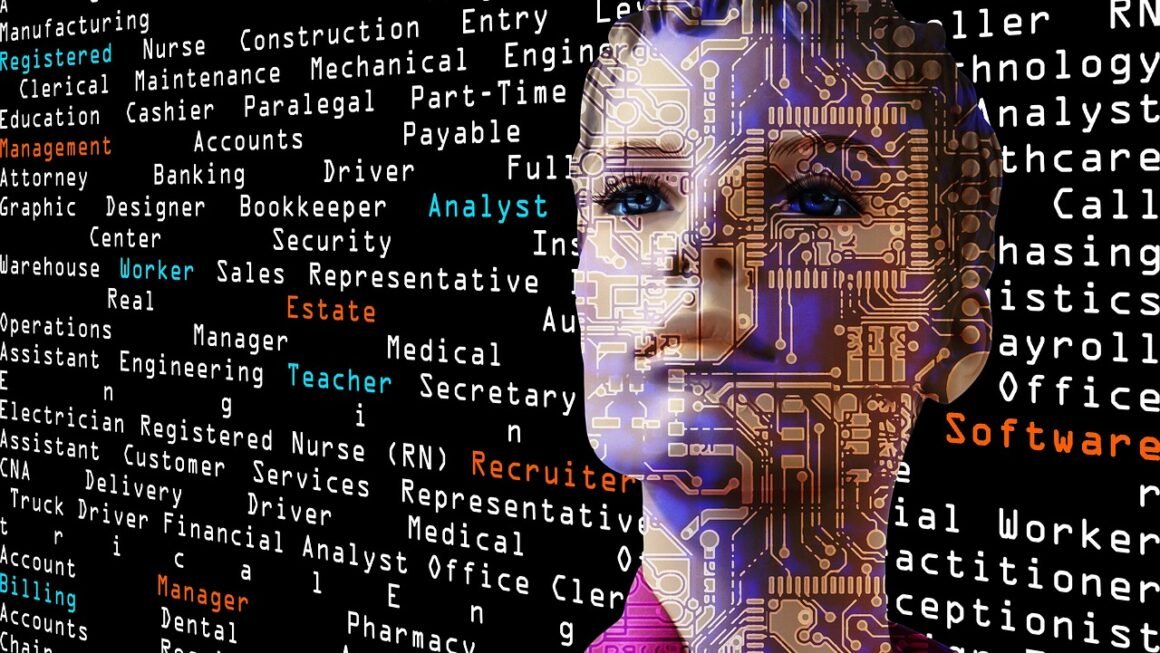
Artificial intelligence is rapidly transforming every facet of our lives, from how we work and communicate to how we access healthcare and make financial decisions. As AI systems become more sophisticated and integrated into critical infrastructure, their potential to drive efficiency, innovation, and progress is immense. However, beneath this promise lies a significant challenge: the pervasive and often insidious presence of bias in AI. Left unaddressed, these biases can perpetuate and even amplify existing societal inequalities, eroding trust and undermining the very fairness and objectivity we expect from advanced technology.
Understanding AI Bias: What It Is and Why It Matters
AI bias refers to systematic and repeatable errors in an AI system’s output that create unfair outcomes, such as favoring one group over others. This isn’t a flaw in the AI’s “character,” but rather a reflection of the data it’s trained on, the algorithms it employs, or the human decisions embedded in its development. Understanding its origins and impact is the first step toward building more equitable AI systems.
Defining AI Bias
At its core, AI bias manifests when an algorithm consistently produces results that are skewed or discriminatory towards specific demographic groups (e.g., based on race, gender, age, socioeconomic status) or against particular attributes. It’s often subtle, deeply embedded, and can be challenging to detect without proactive efforts.
- Systematic Error: It’s not a random anomaly but a consistent pattern of unfairness.
- Unfair Outcomes: Leads to differential treatment or impact that disadvantages certain groups.
- Perpetuation of Inequality: Can amplify existing societal biases and historical injustices.
Why AI Bias is a Critical Concern
The stakes of biased AI are incredibly high. Unlike human biases, which are often localized, an AI bias can be scaled across millions of users instantly, affecting critical decisions that shape individuals’ lives and societal structures.
- Ethical Implications: Violates principles of fairness, equality, and human rights.
- Economic Impact: Can lead to lost opportunities, financial hardship, and market exclusion for affected groups.
- Societal Harm: Deepens existing disparities in areas like employment, healthcare, and justice.
- Loss of Trust: Erodes public confidence in AI technologies and the organizations deploying them, hindering adoption and innovation.
- Regulatory and Legal Risks: Increasing scrutiny from governments and potential legal repercussions under anti-discrimination laws.
Actionable Takeaway: Organizations must prioritize understanding AI bias not just as a technical glitch, but as a fundamental ethical and business risk that requires a comprehensive, proactive approach.
Sources of Bias: Where Does It Come From?
AI doesn’t conjure bias out of thin air; it learns it. The roots of AI bias are multifaceted, typically stemming from the data used to train models, the algorithms themselves, or the human choices made during the AI development lifecycle.
Data Bias: The Primary Culprit
The vast majority of AI models learn from historical data. If this data reflects societal biases or lacks diverse representation, the AI will internalize and reproduce those patterns.
- Historical Bias: Data reflects past societal prejudices and inequalities. For example, if historical hiring data shows a preference for male candidates in leadership roles, an AI trained on this data might disproportionately screen out female applicants.
- Representation Bias (Sampling Bias): The training dataset does not accurately represent the real-world population it’s intended to serve. Facial recognition systems, for instance, often perform worse on individuals with darker skin tones or women because their images are underrepresented in common training datasets.
- Measurement Bias: Flaws in how data is collected, labeled, or measured. An example is using proxy variables (e.g., zip code as a proxy for socioeconomic status) that are highly correlated with protected attributes.
- Selection Bias: Data is collected in a way that creates an unrepresentative sample. If a medical AI is trained predominantly on data from patients in one geographic region or specific demographic, it may perform poorly when applied to diverse populations.
Algorithmic Bias: Model Design and Implementation
Even with good data, bias can be introduced or amplified by the choices made in designing and implementing AI algorithms.
- Feature Selection: Choosing specific input features that implicitly or explicitly encode bias. For example, including arrest records as a feature in a loan application model, knowing that certain communities are disproportionately policed.
- Algorithm Design Flaws: Some algorithms may inadvertently prioritize certain outcomes or amplify existing data biases. Certain optimization functions might converge to solutions that favor majority groups.
- Inadequate Fairness Metrics: Using metrics that don’t fully capture fairness from all perspectives can lead to models that appear fair by one measure but are biased by another.
Human Bias: Developers and Users
Humans are inherently biased, and these biases can seep into AI systems through various stages of development and deployment.
- Cognitive Biases: Developers’ unconscious assumptions, stereotypes, and worldview can influence data curation, model architecture choices, and evaluation metrics.
- Problem Framing: The way a problem is defined can limit the scope of solutions and inadvertently exclude certain groups or perspectives.
- Lack of Diversity in Teams: Homogeneous development teams may overlook potential biases because they share similar experiences and perspectives, leading to blind spots.
Actionable Takeaway: A multi-pronged approach addressing data quality, algorithmic choices, and diverse human involvement is crucial for proactively identifying and preventing bias from entering AI systems.
Real-World Impacts of AI Bias
The theoretical concept of AI bias becomes chillingly real when we examine its tangible effects on individuals and society. These impacts underscore the urgency of addressing bias in critical applications.
Social and Economic Disparities
Biased AI can reinforce and exacerbate existing inequalities, creating barriers to opportunity and justice.
- Financial Services:
- Credit Scores and Loans: Algorithms can unfairly deny loans or offer less favorable terms to individuals from certain racial or socioeconomic backgrounds, even with similar creditworthiness, perpetuating wealth gaps.
- Insurance Premiums: Biased risk assessment models might assign higher premiums to certain demographics without justifiable actuarial reasons.
- Employment:
- Recruitment Tools: Famously, Amazon scrapped an AI recruiting tool after it was found to penalize résumés containing the word “women’s,” or graduates from women’s colleges, due to being trained on historical hiring data dominated by male applicants.
- Performance Reviews: AI-powered tools for employee monitoring or performance assessment can perpetuate biases if trained on subjective, biased human evaluations.
- Justice System:
- Predictive Policing: Algorithms can direct police resources disproportionately to certain neighborhoods, leading to over-policing of minority communities and creating a feedback loop of arrests and data that reinforces bias.
- Bail and Sentencing Decisions: Systems like COMPAS (Correctional Offender Management Profiling for Alternative Sanctions) have been criticized for disproportionately flagging Black defendants as higher risk for re-offending than white defendants, even when controlling for similar crime histories.
Healthcare
Bias in healthcare AI can have life-threatening consequences, leading to misdiagnosis, unequal access to treatment, or suboptimal care.
- Diagnosis and Treatment: AI models trained predominantly on data from specific demographic groups may misdiagnose conditions or recommend inappropriate treatments for underrepresented populations. For example, certain AI skin cancer detection tools have shown reduced accuracy on darker skin types.
- Resource Allocation: Algorithms designed to prioritize patients for care or allocate medical resources might inadvertently favor certain groups, leaving others underserved. A study found that a widely used algorithm predicting healthcare needs systematically underestimated the health risks of Black patients, leading to less resource allocation.
Other Sectors
The reach of AI bias extends to many other areas, affecting daily interactions and opportunities.
- Education: AI-powered tutoring systems or admission algorithms can exhibit biases based on socioeconomic background or learning styles.
- Content Moderation: Algorithms flagging “inappropriate content” can disproportionately censor voices or images from certain cultural groups.
- Marketing and Advertising: Biased algorithms can perpetuate stereotypes by showing specific groups certain types of ads or limiting access to information about products and services.
Actionable Takeaway: When deploying AI in high-stakes domains, rigorous impact assessments and real-world testing are non-negotiable to prevent harm and ensure equitable outcomes for all users.
Strategies for Mitigating AI Bias
Addressing AI bias requires a deliberate, multi-faceted approach that spans the entire AI lifecycle, from data collection to model deployment and ongoing monitoring. There’s no single silver bullet, but rather a combination of technical, process, and human-centric strategies.
Data-Centric Approaches
Since data is the primary source of bias, focusing on its quality and representation is paramount.
- Diverse and Representative Data Collection: Actively seek out and include data from all relevant demographic groups, ensuring proper representation. Avoid using proxy variables that correlate with protected attributes.
- Data Auditing and Preprocessing:
- Bias Detection: Tools and techniques to identify statistical biases (e.g., imbalances, disparities) within datasets before training.
- Debiasing Techniques: Methods like re-sampling (oversampling underrepresented groups, undersampling overrepresented ones), re-weighting data points, or adversarial debiasing at the data level to minimize bias.
- Synthetic Data Generation: In cases where real-world data for underrepresented groups is scarce, synthetic data can be generated to balance datasets, provided it accurately reflects the real distribution.
Algorithmic Approaches
While data is key, algorithms themselves can be designed to be more robust against bias.
- Fairness Metrics and Regularizers: Incorporate mathematical fairness metrics (e.g., demographic parity, equalized odds, individual fairness) into the model training process as optimization objectives or regularizers, guiding the model to make fair predictions.
- Explainable AI (XAI): Implement techniques that make AI decisions transparent and interpretable. Understanding “why” an AI made a certain prediction can help identify and correct biased reasoning.
- Fairness-Aware Machine Learning Models: Develop or utilize algorithms specifically designed with fairness considerations in mind, often by incorporating a “fairness constraint” into their objective function.
Process and People Approaches
Technology alone cannot solve bias; human oversight, diverse perspectives, and strong ethical frameworks are essential.
- Diverse Development Teams: Ensure that AI teams include individuals from varied backgrounds, cultures, and genders. Diverse teams are more likely to identify potential biases and ethical blind spots.
- Ethical AI Frameworks and Guidelines: Establish clear ethical principles and guidelines that govern the entire AI development and deployment lifecycle, from design to evaluation.
- Continuous Monitoring and Auditing: Bias is not a one-time fix. Implement robust post-deployment monitoring systems to detect emergent biases as models interact with new data and real-world conditions. Regular external audits can provide an objective assessment of fairness.
- Stakeholder Involvement: Engage with affected communities and domain experts throughout the AI development process to understand potential impacts and gather diverse feedback.
Actionable Takeaway: Building fair AI is an ongoing commitment, requiring a holistic strategy that combines technical innovation with strong ethical governance, diverse teams, and continuous vigilance.
The Path Forward: Building Trustworthy and Equitable AI
The journey toward truly equitable and trustworthy AI is complex and continuous. It requires more than just technical solutions; it demands a collective shift in mindset, a commitment to ethical principles, and sustained collaboration across various sectors.
Collaboration and Knowledge Sharing
No single entity can solve AI bias alone. Progress depends on shared insights and efforts.
- Academic Research: Continued investment in research on bias detection, mitigation techniques, and fairness metrics is vital.
- Industry Best Practices: Companies sharing their successes and failures in addressing bias can accelerate learning and prevent others from repeating mistakes.
- Cross-Sector Partnerships: Collaborations between technologists, social scientists, ethicists, policymakers, and advocacy groups are crucial to developing comprehensive solutions.
Regulation, Policy, and Standards
As AI adoption grows, so does the need for clear guidelines and accountability.
- Developing AI Ethics Guidelines: Many governments and international bodies are working on frameworks for responsible AI, emphasizing fairness, transparency, and accountability.
- Industry Standards: Creating industry-wide standards for data collection, model testing, and bias reporting can elevate the baseline for ethical AI development.
- Legal Frameworks: Adapting existing anti-discrimination laws or developing new legislation specific to AI can provide legal recourse for those harmed by biased systems and encourage compliance.
Public Awareness and Education
An informed public is a powerful force for change and accountability.
- Educating Users: Helping individuals understand how AI works, where bias can arise, and how it might impact them empowers them to question and demand fairer systems.
- Promoting Critical Thinking: Encouraging critical engagement with AI applications, rather than blind trust, is essential for a healthy relationship with technology.
Actionable Takeaway: The future of AI fairness relies on a proactive, collaborative ecosystem where robust technical solutions are paired with strong ethical governance, diverse human expertise, and informed public discourse.
Conclusion
Bias in AI is not merely a technical glitch; it’s a profound reflection of societal inequalities embedded in the data and designs we feed our intelligent systems. From perpetuating financial disparities to influencing life-altering decisions in healthcare and justice, the real-world impact of algorithmic bias is undeniable and often severe. However, acknowledging and understanding these biases is the crucial first step towards building a more equitable technological future.
By implementing rigorous data auditing, deploying fairness-aware algorithms, fostering diverse development teams, and committing to continuous monitoring, we can actively mitigate the risks of AI bias. The path forward demands a collective commitment from technologists, policymakers, ethicists, and the public to ensure that AI serves as a force for good, amplifying human potential rather than exacerbating existing divides. Only through sustained vigilance, thoughtful design, and a steadfast dedication to fairness can we unlock AI’s true promise: a future that is intelligent, inclusive, and just for everyone.