
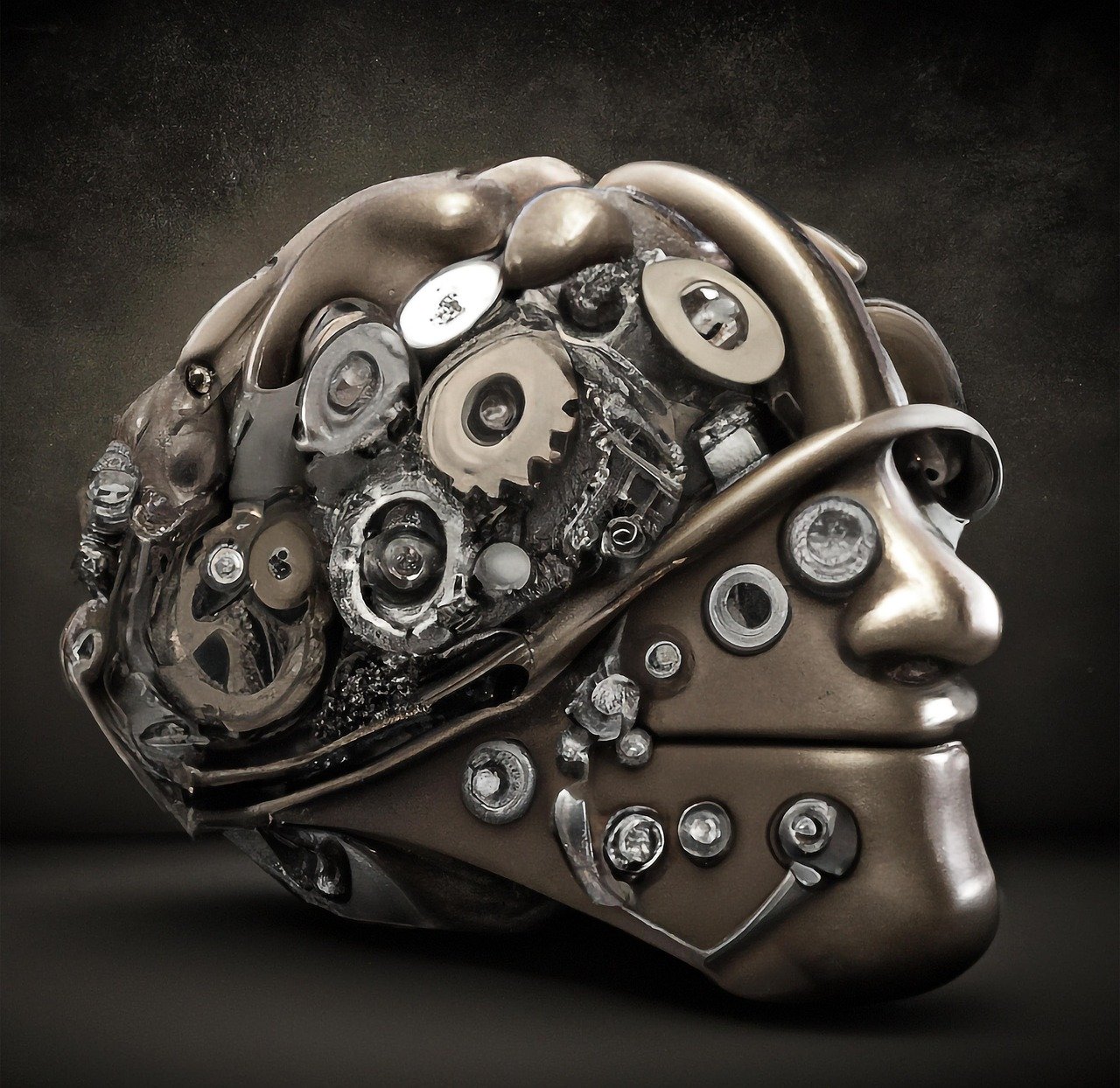
In a world accelerating at the speed of thought, staying productive and competitive demands more than just traditional tools. Enter the AI assistant – a revolutionary technology that is reshaping how we work, live, and interact with digital information. Far from being mere chatbots, today’s intelligent assistants are sophisticated software programs powered by artificial intelligence, designed to understand natural language, perform tasks, and learn from interactions, making our lives undeniably easier and more efficient. Whether you’re a busy professional, a small business owner, or simply looking to streamline your daily routines, understanding the immense potential of an AI assistant is no longer a luxury, but a necessity.
What is an AI Assistant? The Brains Behind the Bytes
An AI assistant, often referred to as a virtual assistant or intelligent digital assistant, is a software agent that can perform tasks or services for an individual or business. These assistants are powered by advanced artificial intelligence technologies, enabling them to understand and respond to human commands, learn from data, and automate various processes. They are a significant leap beyond simple programmed responses, capable of context-aware interactions and proactive suggestions.
Core Technologies Powering AI Assistants
- Natural Language Processing (NLP): This allows AI assistants to understand, interpret, and generate human language. NLP is crucial for tasks like voice commands, text analysis, and conversation management.
- Machine Learning (ML): ML algorithms enable assistants to learn from data without explicit programming. This means they improve over time with more interactions, becoming better at predicting needs and providing relevant information.
- Deep Learning: A subset of machine learning, deep learning uses neural networks with multiple layers to process complex patterns, leading to more accurate speech recognition, image recognition, and language understanding.
- Contextual Understanding: Modern AI assistants don’t just process keywords; they understand the context of your requests, leading to more relevant and helpful responses.
How AI Assistants Differ from Traditional Software
Unlike traditional software that follows rigid, pre-programmed rules, AI assistants are dynamic and adaptive. They can:
- Learn and Adapt: They continuously refine their understanding and performance based on user interactions and new data.
- Understand Natural Language: You can communicate with them using everyday language, rather than specific commands or syntax.
- Automate Complex Tasks: They can string together multiple actions to complete complex requests, often proactively.
- Provide Personalized Experiences: They tailor responses and suggestions based on individual preferences and past behavior.
Actionable Takeaway: Recognize that a true AI assistant offers more than just automation; it provides intelligent, adaptive, and personalized support, driven by sophisticated AI technologies like NLP and machine learning. Start by identifying a repetitive task where natural language interaction would simplify your workflow.
Supercharging Personal Productivity with AI Assistants
For individuals, an AI assistant is like having a highly efficient personal secretary at your fingertips, available 24/7. They excel at managing the mundane, freeing up your mental energy for more critical thinking and creative tasks.
Time Management and Scheduling
One of the most immediate benefits of an AI assistant is its ability to streamline your daily schedule and reminders.
- Calendar Management: “Hey Google, add a dentist appointment for next Tuesday at 10 AM.” Your assistant can block out time, send reminders, and even suggest optimal routes.
- Meeting Coordination: Some AI assistants can even compare schedules with colleagues and automatically find the best time for a meeting, sending out invites on your behalf.
- Task Reminders: Set location-based reminders (“Remind me to buy milk when I leave work”) or time-based alerts effortlessly.
Information Retrieval and Organization
No more sifting through emails or browser tabs. AI assistants can quickly fetch the information you need.
- Quick Answers: “Alexa, what’s the weather like tomorrow?” or “Siri, define ‘quantum entanglement’.” Get instant, concise information.
- Document Organization: Advanced AI assistants can help categorize emails, sort files, and even summarize lengthy documents or articles.
- Personalized Recommendations: Based on your past preferences, they can suggest music, movies, books, or even restaurants.
Task Automation and Smart Home Integration
Extend the AI assistant’s capabilities to your physical environment and routine tasks.
- Smart Home Control: “Turn off the living room lights,” “Adjust the thermostat to 72 degrees,” or “Start the coffee maker.” Manage your smart devices with simple voice commands.
- Routine Automation: Create complex routines, such as a “Good Morning” routine that turns on lights, plays news, and adjusts the temperature with a single command.
- Shopping Lists & Orders: Dictate your shopping list or even reorder frequently purchased items directly through your assistant.
Actionable Takeaway: Integrate an AI assistant into your daily routine by starting with simple, repetitive tasks like setting alarms, managing your calendar, or controlling smart home devices. Experiment with voice commands to experience immediate time savings and reduced cognitive load.
Transforming Business Operations and Customer Experience
For businesses of all sizes, AI assistants are not just a convenience; they are a strategic asset, driving efficiency, enhancing customer satisfaction, and unlocking new growth opportunities. From small businesses to large enterprises, the impact is profound.
Enhanced Customer Service and Support
AI-powered chatbots and virtual assistants are revolutionizing how businesses interact with their customers, leading to significant improvements in response times and availability.
- 24/7 Support: Provide instant answers to frequently asked questions (FAQs) around the clock, reducing customer wait times and improving satisfaction, even outside business hours.
- Lead Qualification: AI assistants can engage website visitors, ask qualifying questions, and direct promising leads to sales representatives, streamlining the sales funnel.
- Personalized Interactions: By accessing customer history and preferences, AI assistants can offer tailored recommendations and solutions, leading to a more personal and satisfying experience.
- Multilingual Support: Break down language barriers by offering customer support in multiple languages, expanding your market reach.
Sales and Marketing Automation
AI assistants can significantly boost sales and marketing efforts by automating repetitive tasks and providing valuable insights.
- Content Generation: Assist in drafting marketing copy, social media posts, or even product descriptions, saving significant time for marketing teams.
- Targeted Campaigns: Analyze customer data to identify optimal segments for marketing campaigns and even personalize email content.
- Meeting Scheduling: Sales teams can leverage AI assistants to automatically schedule meetings with prospects, handling all the back-and-forth communication.
Data Analysis and Internal Workflow Optimization
Beyond customer-facing roles, AI assistants improve internal processes, making teams more productive.
- Report Generation: Automatically compile data from various sources into comprehensive reports, offering valuable insights into sales, marketing, or operational performance.
- Employee Onboarding: Guide new hires through onboarding processes, answering common questions about company policies, benefits, or systems.
- Meeting Summaries: Some AI tools can attend virtual meetings, transcribe conversations, and even summarize key decisions and action items.
- IT Support: Act as a first line of defense for internal IT help desks, resolving common issues and escalating complex problems to human agents.
Actionable Takeaway: Evaluate your business’s customer service pain points or internal bottlenecks. Consider deploying an AI assistant to handle routine customer inquiries or automate repetitive tasks like lead qualification, freeing your human staff to focus on complex problem-solving and strategic initiatives. Start with a pilot project to measure impact.
Choosing the Right AI Assistant: Key Considerations
With a plethora of AI assistants available, both general-purpose and specialized, selecting the right one can seem daunting. A careful evaluation of your needs and the assistant’s capabilities is crucial for successful integration.
Define Your Specific Needs and Goals
Before diving into features, understand what you need an AI assistant to accomplish.
- Personal vs. Business Use: Are you looking for a smart home controller and daily organizer, or a tool to enhance customer service and automate business workflows?
- Specific Tasks: Identify the primary tasks you want to offload. Is it calendar management, email composition, data analysis, or customer chat support?
- Integration Ecosystem: Does it need to integrate seamlessly with your existing software stack (e.g., CRM, project management tools, communication platforms)?
Key Features and Capabilities to Look For
Evaluate the technical prowess and usability of the AI assistant.
- Natural Language Understanding (NLU): How well does it understand complex queries, nuances, and context? Test its ability to handle varied phrasing.
- Multimodal Interaction: Can it process voice, text, and potentially visual input?
- Customization and Training: Can you train it with your specific data, terminology, or business rules? This is especially important for business-specific applications.
- Scalability: For business use, can it handle increased demand as your company grows?
- User Interface (UI) and Experience (UX): Is it intuitive and easy to use for both administrators and end-users?
Data Privacy and Security
Given the sensitive nature of the data AI assistants process, robust privacy and security measures are non-negotiable.
- Data Encryption: Ensure data is encrypted both in transit and at rest.
- Compliance: Verify compliance with relevant data protection regulations (e.g., GDPR, CCPA).
- Data Usage Policies: Understand how your data is collected, stored, and used by the provider. Do they use your data to train their models?
- Access Controls: Who has access to the data, and what measures are in place to prevent unauthorized access?
Integration Capabilities and Support
A powerful AI assistant is even more valuable when it plays well with your existing tools.
- API Availability: Look for robust APIs that allow for deep integration with your current software ecosystem.
- Pre-built Integrations: Check if it offers out-of-the-box integrations with popular business applications (e.g., Salesforce, Slack, Zendesk).
- Developer Community & Support: A strong community and reliable customer support can be invaluable during implementation and ongoing use.
Actionable Takeaway: Create a checklist of your absolute must-have features, security requirements, and integration needs. Prioritize data privacy and ensure the AI assistant aligns with your long-term technological roadmap. Don’t hesitate to leverage free trials or demos before making a commitment.
The Future of AI Assistants: Beyond the Horizon
The evolution of AI assistants is far from over. As AI technologies continue to advance, we can expect these digital companions to become even more sophisticated, intuitive, and seamlessly integrated into the fabric of our lives and work.
Enhanced Natural Language Understanding and Context
Future AI assistants will move beyond mere understanding to true comprehension, capable of processing nuanced language, emotional cues, and maintaining multi-turn conversations with greater accuracy.
- Deeper Contextual Awareness: They will better understand your emotional state, intent, and personal preferences based on past interactions and environmental factors.
- Proactive Intelligence: Instead of waiting for commands, they will anticipate your needs and offer solutions before you even ask, based on predictive analysis of your habits and goals. Imagine your assistant pre-ordering your morning coffee when it detects you’re running late.
- Emotional Intelligence: Future assistants may be able to detect human emotions through voice patterns or text analysis, allowing for more empathetic and appropriate responses.
Multimodal and Immersive Interactions
Interaction will extend beyond voice and text to encompass a richer, more natural human-computer experience.
- Visual AI: Assistants will increasingly integrate with cameras and other sensors to understand the physical environment, allowing for commands like “Find my keys” by recognizing objects.
- Augmented Reality (AR) Integration: Imagine an AI assistant guiding you through a complex task in real-time, overlaying instructions onto your view of the physical world via AR glasses.
- Brain-Computer Interfaces (BCI): While further off, BCIs could allow for direct thought-to-command interaction, creating the ultimate hands-free experience.
Specialized and Collaborative AI Ecosystems
Instead of a single, all-knowing assistant, we may see a network of highly specialized AI agents working together.
- Domain-Specific Experts: AI assistants will become hyper-specialized in areas like legal research, medical diagnostics, or creative design, offering expert-level insights.
- AI Teams: Different AI agents will collaborate on complex projects, each contributing its specialized knowledge to achieve a common goal, much like human teams.
Ethical Considerations and Responsible AI Development
As AI assistants become more powerful, ethical considerations around privacy, bias, and control will become paramount.
- Transparency: Users will demand more transparency regarding how AI assistants make decisions and how their data is used.
- Bias Mitigation: Developers will continue to focus on creating AI models that are free from inherent biases, ensuring fair and equitable outcomes for all users.
- Human Oversight: Ensuring that humans remain in control and have the ability to override or intervene in AI-driven decisions will be crucial.
Actionable Takeaway: Stay informed about advancements in AI assistant technology, particularly concerning privacy and ethical guidelines. Embrace the upcoming wave of proactive and multimodal AI interactions by thinking about how these tools can anticipate your needs rather than just responding to commands.
Conclusion
The AI assistant is no longer a futuristic concept but a powerful reality shaping our present. From streamlining personal tasks and enhancing daily productivity to revolutionizing business operations and customer engagement, these intelligent digital companions are proving indispensable. They are not merely tools for automation but partners in efficiency, learning, and growth. As AI continues its rapid evolution, the capabilities of virtual assistants will only expand, offering increasingly personalized, intuitive, and proactive support that truly understands our needs. Embracing this technology is not just about keeping pace; it’s about unlocking unprecedented levels of productivity, innovation, and convenience. The intelligent future is here, and your AI assistant is ready to guide you through it.


