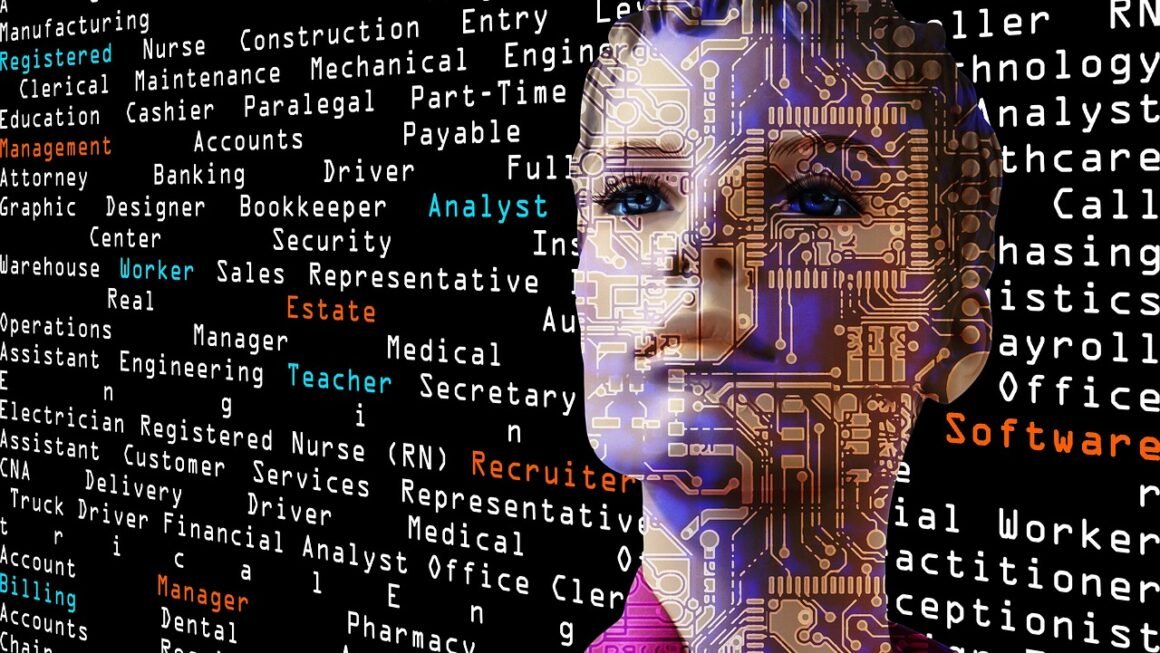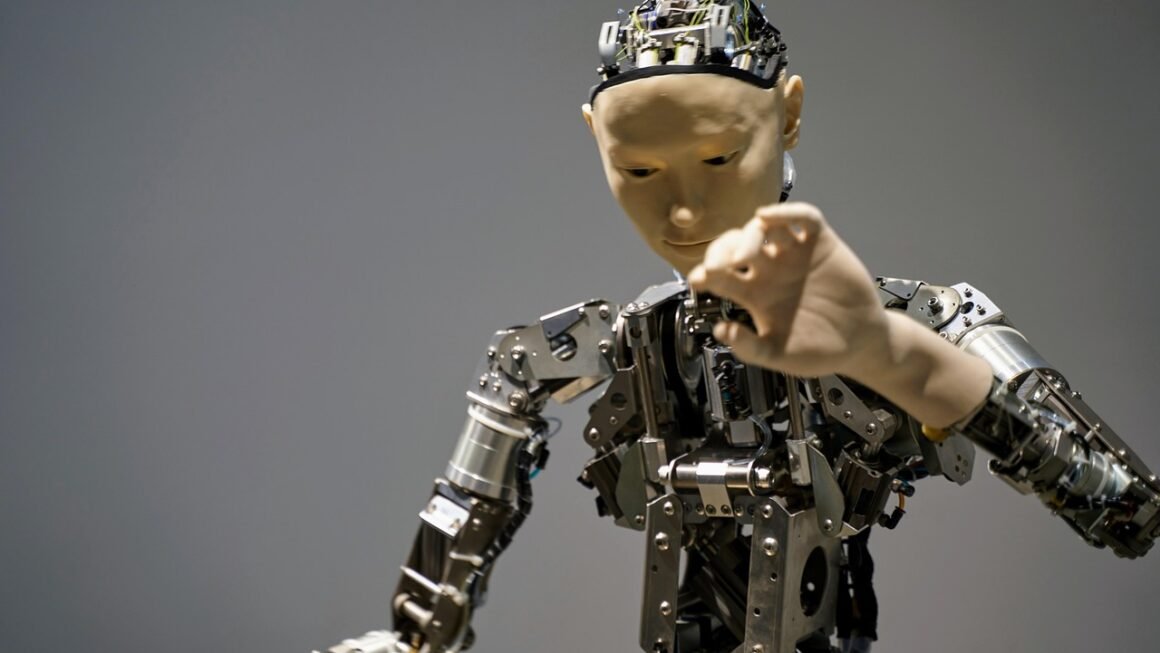
In a world increasingly driven by data and connectivity, a quiet revolution is underway, reshaping industries, economies, and our daily lives. This revolution is powered by intelligent systems – sophisticated technologies that mimic cognitive functions, enabling machines to perceive, learn, reason, and act with a degree of autonomy. From powering personalized recommendations on your favorite streaming service to optimizing complex logistical networks and assisting in life-saving medical diagnoses, intelligent systems are no longer a futuristic concept but a present-day reality, transforming how we live, work, and interact with the digital realm. Understanding their capabilities, applications, and implications is crucial for anyone looking to navigate the modern technological landscape.
What Are Intelligent Systems? Defining the Digital Brain
At its core, an intelligent system is a machine or software designed to simulate human intelligence and behavior to solve complex problems. These systems are not merely programmed to follow a set of instructions; they possess the ability to adapt, learn from experience, and make decisions in dynamic environments.
The Core Components of Intelligence
Intelligent systems are an umbrella term encompassing various advanced technologies that work in concert:
- Artificial Intelligence (AI): The broad field dedicated to creating machines that can reason, learn, and act intelligently.
- Machine Learning (ML): A subset of AI that allows systems to learn from data without being explicitly programmed. It identifies patterns and makes predictions.
- Deep Learning (DL): A more advanced form of ML that uses neural networks with many layers (deep neural networks) to learn from vast amounts of data, excelling in tasks like image and speech recognition.
- Natural Language Processing (NLP): Enables computers to understand, interpret, and generate human language.
- Computer Vision (CV): Allows machines to “see” and interpret visual information from images and videos.
Key Characteristics of Intelligent Systems
What sets these systems apart from traditional software?
- Autonomy: The ability to operate independently without constant human intervention.
- Learning & Adaptation: They improve performance over time by analyzing new data and adjusting their models.
- Problem-Solving: Capable of finding solutions to complex issues, often by exploring multiple possibilities.
- Perception: Can gather and interpret data from their environment (e.g., sensors, cameras, microphones).
- Reasoning: Can draw inferences and make logical deductions based on available information.
Actionable Takeaway: For businesses, understanding these foundational components is key to identifying which intelligent system technologies are most relevant to their specific challenges and opportunities.
The Core Technologies Powering Intelligent Systems
The “intelligence” in intelligent systems stems from breakthroughs in several interconnected technological domains. These innovations enable machines to perform tasks once thought exclusive to human cognition.
Machine Learning: Learning from Data
Machine learning is the backbone for many intelligent systems, allowing them to extract insights and make predictions from data. There are three primary types:
- Supervised Learning: Uses labeled datasets (input-output pairs) to train models.
- Example: Spam detection, where emails are labeled as “spam” or “not spam,” teaching the system to classify new emails.
- Actionable Tip: Leverage supervised learning for tasks requiring clear historical outcomes, like predicting customer churn or sales forecasting.
- Unsupervised Learning: Works with unlabeled data to find hidden patterns and structures.
- Example: Customer segmentation, grouping customers based on their purchasing behavior without predefined categories.
- Actionable Tip: Use unsupervised learning for exploratory data analysis, anomaly detection, and discovering new market segments.
- Reinforcement Learning: Trains systems through trial and error, rewarding desired behaviors and penalizing undesirable ones.
- Example: Training autonomous agents to play games (like AlphaGo) or robotic systems to navigate complex environments.
- Actionable Tip: Explore reinforcement learning for dynamic control problems, optimization, and creating adaptive user interfaces.
Deep Learning: Unlocking Complex Patterns
Deep learning, a subset of machine learning, employs multi-layered neural networks inspired by the human brain. This allows for the recognition of intricate patterns in vast, unstructured datasets.
- Convolutional Neural Networks (CNNs): Primarily used for image and video analysis, excelling in facial recognition, object detection, and medical imaging.
- Recurrent Neural Networks (RNNs): Suited for sequential data like time series or natural language, used in speech recognition and predictive text.
Natural Language Processing (NLP) & Computer Vision (CV)
These specialized areas allow intelligent systems to interact with the world in human-like ways:
- NLP Applications:
- Chatbots and Virtual Assistants: Understanding and responding to user queries (e.g., Siri, Google Assistant).
- Sentiment Analysis: Gauging public opinion from social media or customer reviews.
- Machine Translation: Breaking down language barriers in real-time.
- Computer Vision Applications:
- Facial Recognition: Security, authentication.
- Object Detection: Autonomous vehicles identifying pedestrians and traffic signs.
- Quality Control: Detecting defects on manufacturing lines with precision.
Actionable Takeaway: Selecting the right core technology depends on the type of data you possess and the specific problem you aim to solve. A blend of these technologies often yields the most powerful intelligent systems.
Applications Across Industries: Intelligent Systems in Action
Intelligent systems are proving to be transformative tools across virtually every sector, driving efficiency, innovation, and unprecedented insights.
Healthcare: Revolutionizing Diagnostics and Treatment
- Precision Medicine: AI analyzes genetic data, patient history, and lifestyle factors to recommend personalized treatments, leading to better outcomes and fewer side effects.
- Drug Discovery: Intelligent systems accelerate the identification of potential drug candidates, simulate molecular interactions, and predict drug efficacy, significantly cutting down research and development timelines.
- Diagnostic Assistance: AI-powered image analysis tools can detect subtle anomalies in X-rays, MRIs, and CT scans (e.g., early signs of cancer or neurological conditions) often with greater speed and accuracy than human eyes alone.
Finance: Enhancing Security and Decision-Making
- Fraud Detection: Machine learning algorithms monitor millions of transactions in real-time, identifying unusual patterns indicative of fraud, saving billions annually.
- Algorithmic Trading: Intelligent systems analyze market data, news sentiment, and economic indicators to execute trades at optimal times, often outperforming human traders.
- Credit Scoring & Risk Assessment: AI models assess creditworthiness more accurately by considering a wider array of data points, improving access to finance for underserved populations while managing risk.
Manufacturing: Optimizing Production and Maintenance
- Predictive Maintenance: Sensors on machinery collect data that intelligent systems analyze to predict equipment failures before they occur, scheduling maintenance proactively and minimizing costly downtime.
- Quality Control: Computer vision systems inspect products on assembly lines at high speed, identifying defects with greater consistency than human inspectors.
- Robotics & Automation: AI-powered robots handle repetitive or hazardous tasks, improving safety, speed, and precision in production environments.
Retail and E-commerce: Personalizing Experiences and Streamlining Operations
- Personalized Recommendations: Intelligent algorithms analyze past purchases, browsing history, and preferences to suggest products, significantly boosting sales and customer satisfaction (e.g., Amazon’s recommendation engine).
- Inventory Management: AI predicts demand fluctuations, optimizing stock levels and reducing waste from overstocking or lost sales from understocking.
- Customer Service Chatbots: NLP-powered chatbots handle routine inquiries, providing instant support and freeing up human agents for more complex issues.
Transportation: Towards a Smarter Future
- Autonomous Vehicles: Intelligent systems are the brain behind self-driving cars, enabling perception (computer vision), decision-making (ML), and navigation.
- Traffic Management: AI optimizes traffic flow by analyzing real-time data from sensors and cameras, adjusting traffic signals dynamically to reduce congestion.
Actionable Takeaway: Identify pain points or areas for efficiency improvement within your industry and research how intelligent systems are already being applied. Pilot projects can demonstrate tangible ROI and build internal expertise.
Benefits of Implementing Intelligent Systems
The adoption of intelligent systems offers a compelling array of advantages that can translate into significant competitive edge and operational excellence.
Enhanced Efficiency and Automation
- Automated Repetitive Tasks: Intelligent systems can take over mundane, rule-based processes, freeing human employees to focus on more complex, creative, and strategic work. This leads to increased throughput and reduced operational bottlenecks.
- Faster Processing: Machines can process vast amounts of data and execute tasks at speeds far beyond human capabilities, accelerating business cycles.
Improved Decision-Making
- Data-Driven Insights: By analyzing massive datasets, intelligent systems can uncover patterns, correlations, and trends that would be invisible to human analysts, providing deeper insights for strategic planning.
- Predictive Analytics: These systems can forecast future events, customer behavior, or market trends with remarkable accuracy, enabling proactive decision-making rather than reactive responses.
Cost Reduction
- Optimized Resource Allocation: AI can predict resource needs (e.g., energy, raw materials, staffing), leading to more efficient allocation and reduced waste.
- Reduced Errors: Automation and intelligent quality control minimize human error, decreasing rework, scrap, and associated costs.
- Lower Labor Costs for Routine Tasks: While requiring initial investment, intelligent systems can significantly reduce ongoing labor costs for specific functions.
Personalized User Experiences
- Tailored Recommendations: From e-commerce to entertainment, intelligent systems deliver highly personalized content and product suggestions, significantly improving customer satisfaction and engagement.
- Customized Services: AI can adapt interfaces and service delivery based on individual user preferences and behaviors, creating a more intuitive and responsive experience.
Innovation and Competitive Advantage
- New Products and Services: Intelligent systems can enable the creation of entirely new categories of products and services, opening new revenue streams.
- Faster Time to Market: Automation in design, testing, and deployment can accelerate the introduction of new offerings.
- Enhanced Market Position: Companies that effectively leverage intelligent systems often gain a significant edge over competitors through superior efficiency, insights, and customer experiences.
Safety and Risk Mitigation
- Hazardous Environment Operations: Robots and intelligent autonomous systems can perform tasks in dangerous or inaccessible environments, protecting human workers.
- Proactive Risk Identification: AI can monitor for anomalies and potential threats (e.g., cybersecurity breaches, equipment failure), enabling rapid response and mitigation.
Actionable Takeaway: When considering intelligent system implementation, quantify the expected benefits in terms of efficiency gains, cost savings, revenue growth, and customer satisfaction to build a compelling business case.
Challenges and Ethical Considerations
While the potential of intelligent systems is vast, their development and deployment also come with significant challenges and critical ethical considerations that demand careful attention.
Data Privacy and Security
- Vast Data Requirements: Intelligent systems often require enormous amounts of data for training, raising concerns about how this data is collected, stored, and used.
- Breach Risks: Large datasets become attractive targets for cyberattacks, making robust data security paramount.
- Regulatory Compliance: Navigating complex data privacy regulations like GDPR and CCPA is crucial to avoid legal penalties and maintain public trust.
Bias and Fairness
- Algorithmic Bias: If training data reflects historical human biases, the intelligent system will learn and perpetuate those biases, leading to unfair or discriminatory outcomes (e.g., in hiring, loan approvals, or criminal justice).
- Lack of Representativeness: Insufficiently diverse training data can lead to systems that perform poorly or inaccurately for certain demographic groups.
Job Displacement and Workforce Transformation
- Automation of Routine Tasks: Intelligent systems are increasingly capable of performing tasks previously done by humans, raising concerns about job losses in certain sectors.
- Need for Reskilling: The workforce will need to adapt, requiring significant investment in education and training for new roles that work alongside or manage intelligent systems.
Transparency and Explainability (XAI)
- “Black Box” Problem: Many advanced intelligent systems, particularly deep learning models, are so complex that it’s difficult to understand precisely how they arrive at their decisions. This lack of transparency is problematic in critical applications (e.g., medical diagnoses, legal decisions).
- Accountability: When an intelligent system makes an error or causes harm, determining accountability can be challenging without clear explainability.
Development Costs and Complexity
- High Investment: Developing and deploying sophisticated intelligent systems requires significant investment in talent, infrastructure (e.g., computing power, data storage), and ongoing maintenance.
- Talent Gap: A shortage of skilled AI/ML engineers and data scientists can hinder development efforts.
Ethical Governance and Regulation
- Defining Ethical Boundaries: Establishing clear ethical guidelines for the use of intelligent systems, especially in sensitive areas like surveillance, autonomous weapons, and emotional recognition, is a complex global challenge.
- Lack of Regulation: The rapid pace of technological advancement often outstrips the ability of governments to create effective and timely regulations.
Actionable Takeaway: Proactively address ethical considerations by implementing Responsible AI principles, conducting bias audits, investing in explainable AI solutions, and fostering a culture of continuous learning and adaptation within your organization.
Conclusion
Intelligent systems represent a paradigm shift, moving us from a world of passive tools to active, adaptive partners in problem-solving. They are profoundly impacting every facet of our lives, offering unprecedented opportunities for innovation, efficiency, and personalized experiences. From revolutionizing healthcare and finance to transforming manufacturing and transportation, the reach of these digital brains is vast and ever-expanding.
However, the journey into this intelligent future is not without its complexities. Addressing critical challenges such as data privacy, algorithmic bias, ethical governance, and the imperative for workforce reskilling is paramount. Embracing a human-centered approach to AI development, focusing on transparency, fairness, and accountability, will be key to harnessing the full potential of intelligent systems responsibly.
As these technologies continue to evolve at a breathtaking pace, understanding their foundations, applications, benefits, and ethical implications is no longer optional but essential. Organizations and individuals alike must engage with intelligent systems not just as users, but as informed participants in shaping a smarter, more productive, and ethically sound future.