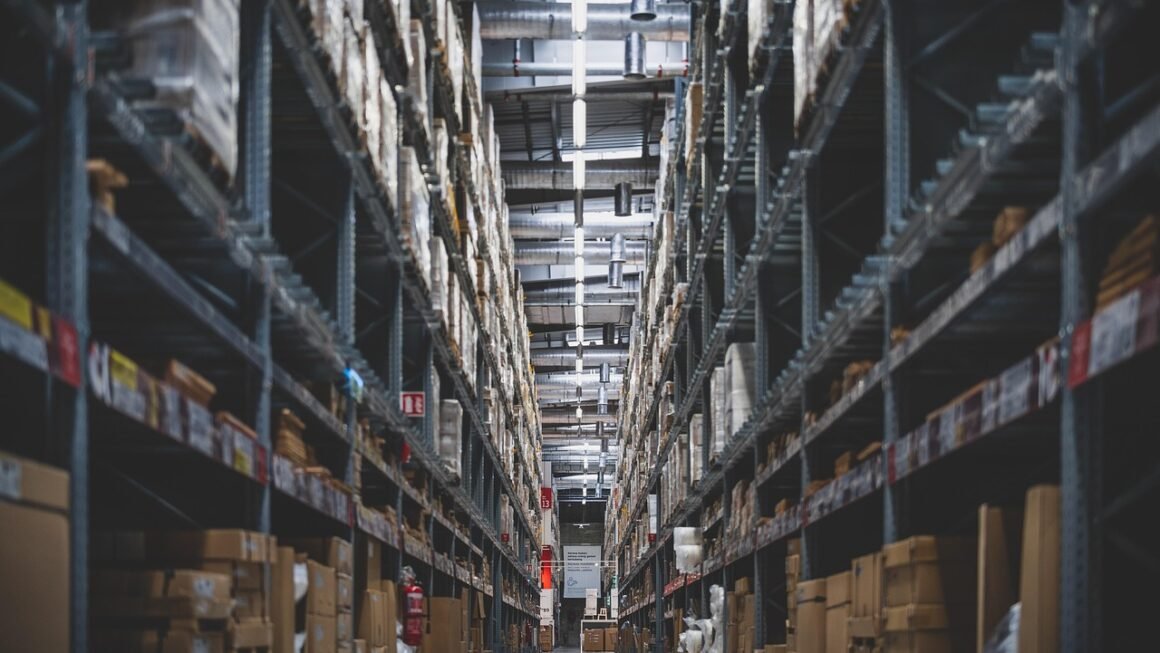
In the intricate ballet of global commerce, there’s an invisible force that orchestrates the movement of goods, information, and resources from origin to destination: logistics. Far more than just shipping and handling, logistics is the strategic backbone of every business, silently ensuring that products arrive where and when they’re needed. From the raw materials sourced globally to the finished item landing on a customer’s doorstep, an optimized logistics strategy is the difference between thriving and merely surviving in today’s fiercely competitive marketplace. This comprehensive guide will demystify the world of logistics, exploring its core components, technological advancements, profound benefits, and the exciting future that awaits.
Understanding the Core of Logistics: More Than Just Moving Things
Defining Logistics in the Modern Business Landscape
At its heart, logistics encompasses the detailed planning, implementation, and control of the efficient, effective forward and reverse flow and storage of goods, services, and related information from the point of origin to the point of consumption in order to meet customer requirements. It’s a vast field that touches almost every aspect of business operations, crucial for profitability and customer satisfaction.
- Strategic Planning: Deciding the best routes, modes of transport, and storage locations.
- Operational Execution: Managing the day-to-day activities of moving and storing goods.
- Information Flow: Ensuring all stakeholders have access to real-time data regarding shipments and inventory.
- Customer Focus: Ultimately geared towards delivering products to customers precisely as promised.
Example: A smartphone manufacturer needs to coordinate thousands of components from various global suppliers, assemble them in a factory, package the finished phones, and then distribute them to retailers and direct consumers worldwide. Every step—from ordering microchips to delivering the phone to your hand—falls under the umbrella of logistics.
The Interplay with Supply Chain Management
While often used interchangeably, logistics is a critical subset of Supply Chain Management (SCM). Think of SCM as the grand strategy, overseeing the entire network of businesses and activities involved in getting a product or service to the customer. Logistics is the tactical execution within that strategy. SCM includes activities like product development, sourcing, production, and customer service, with logistics managing the flow of goods within that broader system.
- Supply Chain Management: The overarching framework that integrates all activities from raw materials to end-consumer.
- Logistics: The process of moving and storing goods within the supply chain.
Actionable Takeaway: Businesses must view logistics not as a cost center, but as a strategic function that directly impacts their overall supply chain efficiency, customer experience, and competitive advantage.
Key Pillars of an Efficient Logistics System
A truly effective logistics system is built upon several interconnected components, each playing a vital role in ensuring seamless operations.
Transportation Management: The Movement Backbone
This component focuses on the actual movement of goods. Choosing the right mode of transport (road, rail, air, sea, pipeline) and optimizing routes are crucial for cost-effectiveness and timely delivery.
- Mode Selection: Balancing speed, cost, and cargo type (e.g., air freight for urgent, high-value goods; sea freight for bulky, less time-sensitive shipments).
- Route Optimization: Utilizing software to find the most efficient paths, considering traffic, fuel costs, and delivery windows.
- Freight Management: Consolidating shipments, negotiating rates with carriers, and tracking cargo in transit.
Example: A grocery chain uses refrigerated trucks for its last-mile delivery to ensure fresh produce reaches stores daily, while importing specialty items via sea containers for cost efficiency.
Actionable Takeaway: Invest in transportation management systems (TMS) to automate route planning, carrier selection, and freight tracking, leading to significant savings and improved delivery performance.
Warehouse and Storage: The Hub of Operations
Warehouses are more than just storage spaces; they are dynamic hubs for receiving, storing, picking, packing, and shipping goods. Efficient warehouse management is crucial for minimizing damage, reducing holding costs, and speeding up order fulfillment.
- Layout Optimization: Designing the warehouse for efficient flow of goods and personnel.
- Storage Systems: Implementing shelving, racking, and automated retrieval systems tailored to product types.
- Order Fulfillment: Streamlining the picking and packing processes to reduce errors and cycle times.
Example: An e-commerce giant might use automated guided vehicles (AGVs) and robotic arms within its fulfillment centers to quickly retrieve items for thousands of orders per hour.
Actionable Takeaway: Regularly review warehouse layout and processes. Consider adopting a Warehouse Management System (WMS) to gain real-time visibility into inventory levels and optimize space utilization.
Inventory Management: Balancing Stock and Demand
This is perhaps one of the most delicate aspects of logistics. Holding too much inventory incurs high storage costs and risks obsolescence, while too little can lead to stockouts and lost sales. Effective inventory management aims to strike the perfect balance.
- Demand Forecasting: Using historical data and predictive analytics to anticipate future customer needs.
- Safety Stock: Maintaining a buffer of inventory to guard against unexpected demand spikes or supply disruptions.
- Inventory Control Techniques: Implementing methods like Just-In-Time (JIT) or Economic Order Quantity (EOQ).
Example: A car manufacturer uses JIT principles to receive parts only when they are needed for assembly, significantly reducing warehousing costs and waste.
Actionable Takeaway: Implement robust inventory management software and conduct regular inventory audits to ensure data accuracy and prevent costly discrepancies.
Information Flow and Technology Integration
In modern logistics, information is as critical as the physical goods. Real-time data sharing across all components and stakeholders is essential for transparency, responsiveness, and problem-solving.
- Data Visibility: Tracking orders, shipments, and inventory in real-time.
- Communication: Seamless exchange of information between suppliers, carriers, warehouses, and customers.
- System Integration: Connecting various logistics software (TMS, WMS, ERP) for a unified view.
Example: A customer can track their package from the moment it leaves the warehouse until it reaches their door, thanks to integrated tracking systems and information sharing between the retailer and the courier.
Actionable Takeaway: Prioritize investing in logistics technology that offers end-to-end visibility and fosters collaboration among all supply chain partners.
The Digital Transformation of Logistics: A New Era of Efficiency
The digital revolution has profoundly reshaped the logistics landscape, moving it from manual, reactive processes to automated, proactive systems. This shift is critical for handling the complexities of global trade and e-commerce.
Leveraging Logistics Technology for Optimization
Technology is no longer an option but a necessity for competitive logistics operations. Modern logistics technology solutions offer unprecedented opportunities for optimization.
- Enterprise Resource Planning (ERP) Systems: Integrate all facets of an operation, including product planning, development, manufacturing, sales, and marketing.
- Transportation Management Systems (TMS): Optimize shipping routes, manage freight, and track deliveries.
- Warehouse Management Systems (WMS): Streamline warehouse operations from receiving to shipping, enhancing inventory accuracy and space utilization.
- Third-Party Logistics (3PL) Providers: Companies that offer outsourced logistics services, often leveraging advanced technology and economies of scale.
Statistic: The global logistics market is projected to reach USD 16.27 trillion by 2027, driven significantly by technological advancements and the growth of e-commerce. (Source: Statista, market research reports)
Actionable Takeaway: Evaluate your current technology stack. Are you leveraging solutions that provide real-time data, automation, and predictive capabilities? Partnering with a specialized 3PL can also provide access to cutting-edge tech without the upfront investment.
The Rise of E-commerce Logistics and Last-Mile Delivery
The explosion of e-commerce has put immense pressure on logistics, particularly in the “last mile” – the final leg of the delivery journey from the distribution center to the customer’s door. Consumers now expect fast, free, and flexible delivery options.
- Faster Delivery: Same-day or next-day delivery is becoming the norm.
- Flexible Options: Click-and-collect, precise delivery windows, and return logistics.
- Increased Complexity: Handling a multitude of small, individual orders rather than bulk shipments.
Example: Grocery delivery services use sophisticated algorithms to group orders, optimize delivery routes for multiple stops, and manage temperature-controlled transport to meet strict delivery windows.
Actionable Takeaway: Focus on optimizing last-mile operations through local micro-fulfillment centers, advanced routing software, and exploring alternative delivery methods like drone or autonomous vehicle trials.
Unlocking Business Value: The Benefits of Optimized Logistics
Investing in logistics optimization yields significant returns, impacting everything from the bottom line to brand reputation.
Enhanced Customer Satisfaction and Brand Loyalty
In today’s experience economy, reliable and efficient delivery is a key differentiator. Positive delivery experiences translate directly into happy, repeat customers.
- On-time Delivery: Meeting or exceeding customer expectations builds trust.
- Order Accuracy: Receiving the correct items reduces returns and frustration.
- Transparency: Providing tracking information and proactive updates enhances confidence.
Example: A clothing brand known for its quick, accurate, and hassle-free returns process builds a loyal customer base who trusts their purchases will be smooth, even if an item doesn’t fit.
Actionable Takeaway: View delivery as an extension of your customer service. Solicit feedback on delivery experiences and use it to continuously improve your logistics processes.
Cost Reduction and Operational Efficiency
Optimized logistics directly reduces operational expenses through better resource utilization and minimized waste.
- Lower Transportation Costs: Efficient routing, freight consolidation, and carrier negotiation.
- Reduced Inventory Holding Costs: Minimizing excess stock, obsolescence, and storage expenses.
- Fewer Errors: Automated processes reduce manual handling mistakes, returns, and re-shipping costs.
Example: By consolidating less-than-truckload (LTL) shipments into full truckloads (FTL) where possible, a distributor significantly reduces per-unit shipping costs.
Actionable Takeaway: Conduct a thorough audit of your current logistics costs. Identify areas where automation or process improvements can lead to significant savings.
Improved Agility and Resilience
A well-oiled logistics system is more adaptable to change, capable of quickly responding to market shifts, unforeseen disruptions, and evolving customer demands.
- Faster Response Times: Quick adaptation to demand fluctuations or supply chain interruptions.
- Risk Mitigation: Diversifying suppliers and transport modes to build redundancy.
- Scalability: The ability to easily expand or contract operations as business needs change.
Example: During a port strike, a company with flexible logistics can quickly pivot to air freight for critical components, minimizing production delays.
Actionable Takeaway: Develop contingency plans for potential disruptions and build strong relationships with multiple logistics partners to enhance flexibility.
Navigating the Challenges: Solutions for Modern Logistics
Despite its advancements, the logistics industry faces a myriad of challenges, from global disruptions to sustainability pressures. Addressing these requires innovative thinking and strategic investment.
Addressing Supply Chain Disruptions
Recent global events have highlighted the fragility of highly optimized, lean supply chains. Disruptions can arise from natural disasters, geopolitical events, pandemics, or cyberattacks.
- Diversification: Establishing multiple suppliers and routes to reduce dependency on a single source.
- Visibility: Implementing real-time tracking and monitoring tools to quickly identify and respond to issues.
- Scenario Planning: Developing contingency plans for various disruption scenarios.
Example: A semiconductor manufacturer invests in factories across different continents and maintains strategic reserves of critical raw materials to hedge against regional supply chain shocks.
Actionable Takeaway: Conduct regular risk assessments for your supply chain. Build resilience by diversifying sources, maintaining strategic inventory, and fostering strong communication with all partners.
Sustainability and Green Logistics
Environmental concerns are increasingly influencing logistics decisions. Consumers and regulators alike are pushing for more eco-friendly operations.
- Route Optimization: Reducing fuel consumption and emissions through efficient route planning.
- Eco-friendly Packaging: Using recyclable, biodegradable, or reusable packaging materials.
- Fleet Electrification: Transitioning to electric or hybrid vehicles.
- Reverse Logistics: Efficiently managing returns, repairs, and recycling programs to minimize waste.
Statistic: The global green logistics market is expected to grow significantly, reaching approximately USD 1.8 trillion by 2030, reflecting increased environmental awareness and regulatory pressures. (Source: Research and Markets)
Actionable Takeaway: Integrate sustainability goals into your logistics strategy. Look for opportunities to reduce your carbon footprint, from packaging choices to transportation modes, and communicate these efforts to your customers.
Talent Shortages and Workforce Development
The logistics sector, particularly roles like truck drivers, warehouse workers, and data analysts, often faces significant talent shortages. Attracting and retaining skilled personnel is a constant challenge.
- Automation: Implementing robotics and AI to augment human labor and handle repetitive tasks.
- Training and Upskilling: Investing in programs to develop the existing workforce’s skills for new technologies.
- Improved Work Conditions: Offering competitive wages, benefits, and flexible working arrangements.
Example: A warehouse implements augmented reality glasses for order pickers, reducing training time and improving picking accuracy, making the job more engaging.
Actionable Takeaway: Invest in training and professional development for your logistics team. Explore automation solutions that can alleviate labor-intensive tasks and attract a tech-savvy workforce.
The Future of Logistics: Innovation on the Horizon
The logistics industry is on the cusp of further transformation, driven by emerging technologies that promise even greater efficiency, visibility, and responsiveness.
Artificial Intelligence and Machine Learning
AI and ML are revolutionizing every aspect of logistics, from predicting demand to optimizing complex networks.
- Predictive Analytics: Forecasting demand, identifying potential bottlenecks, and predicting equipment failures.
- Route Optimization: Dynamic, real-time adjustments to routes based on traffic, weather, and delivery priorities.
- Automated Decision-Making: AI-powered systems making autonomous decisions for inventory replenishment or carrier selection.
Example: An AI system analyzes historical sales data, seasonal trends, and even social media sentiment to accurately predict product demand, ensuring optimal inventory levels.
Actionable Takeaway: Begin exploring AI/ML applications within your logistics operations, starting with areas like demand forecasting or automated reporting. Consider pilot projects to understand their potential impact.
Internet of Things (IoT) and Real-time Visibility
IoT sensors embedded in goods, vehicles, and warehouses provide unparalleled real-time data, enabling unprecedented visibility and control.
- Asset Tracking: Knowing the exact location and condition of shipments at all times.
- Temperature Monitoring: Ensuring perishable goods maintain optimal conditions throughout transit.
- Predictive Maintenance: Monitoring vehicle and equipment health to schedule maintenance proactively.
Example: IoT sensors in a refrigerated container shipping vaccines constantly monitor temperature and humidity, alerting logistics managers instantly if conditions deviate from safe parameters.
Actionable Takeaway: Explore IoT solutions for critical assets or sensitive cargo to gain real-time insights and enhance proactive problem-solving.
Automation and Robotics in Warehousing
Robotics are transforming warehouse operations, handling tasks that are repetitive, heavy, or dangerous, leading to increased speed and accuracy.
- Automated Storage and Retrieval Systems (AS/RS): Robots storing and retrieving items from high-density storage.
- Collaborative Robots (Cobots): Working alongside human employees to assist with picking and packing.
- Autonomous Mobile Robots (AMRs): Navigating warehouses independently to transport goods.
Example: A large e-commerce fulfillment center uses hundreds of AMRs to bring shelves directly to human pickers, significantly accelerating order processing.
Actionable Takeaway: Evaluate tasks within your warehouse that are repetitive or prone to human error. Automation can offer significant benefits in efficiency and safety.
Conclusion
Logistics is the unsung hero of global commerce, a complex yet vital discipline that underpins economic activity and ensures products reach consumers efficiently. From intricate planning and sophisticated transportation networks to smart warehousing and dynamic inventory control, every element is crucial. As technology continues its relentless march forward, integrating AI, IoT, and automation, the future of logistics promises even greater levels of precision, speed, and sustainability. For businesses looking to thrive in an increasingly interconnected and demanding world, understanding, optimizing, and strategically investing in logistics is no longer optional—it’s imperative for sustained success and delivering exceptional customer experiences. Embrace the evolution, and unlock the true potential of your supply chain.