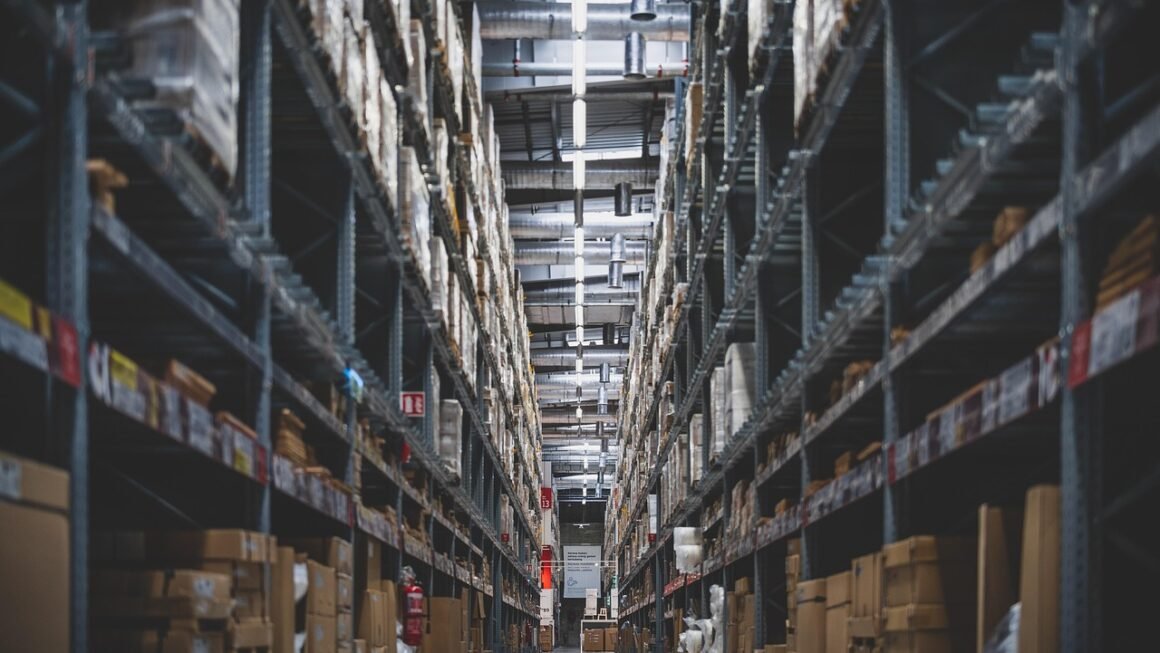
In an increasingly interconnected world, the concept of commerce stands as the bedrock of global economies and daily life. Far from being a mere exchange of goods, it encompasses the intricate web of activities, systems, and relationships that facilitate the buying and selling of products and services. From the bustling marketplaces of antiquity to the lightning-fast transactions of modern e-commerce, commerce has continually evolved, adapting to technological advancements and shifting consumer behaviors. Understanding its multifaceted nature is crucial for businesses aiming to thrive, individuals seeking value, and economies striving for growth in this ever-changing landscape.
The Foundations of Commerce: From Barter to Modern Trade
At its core, commerce is the act of buying and selling. Yet, this simple definition belies a complex history and an ever-evolving present. It’s the engine that drives economic activity, connecting producers with consumers across various channels.
Defining Commerce
Commerce refers to the large-scale system of activities that involves the exchange of goods, services, or something of value between parties. It encompasses everything from local street vendors to multinational corporations, involving not just the transaction itself but also the supporting systems like advertising, logistics, payment processing, and customer service.
- Exchange of Value: The fundamental principle is the transfer of ownership or access in return for a mutually agreed-upon value, typically money.
- Economic Driver: Commerce stimulates production, employment, and innovation, contributing significantly to a nation’s Gross Domestic Product (GDP).
- Interconnected Systems: It relies heavily on efficient supply chains, marketing channels, and robust financial infrastructure.
Evolution of Trade
The journey of commerce began with simple barter, where goods were exchanged directly without currency. Over millennia, this evolved:
- Barter System: Direct exchange of goods or services, limited by the “double coincidence of wants.”
- Commodity Money: Introduction of universally desired items (e.g., salt, shells, precious metals) as a medium of exchange.
- Coinage and Fiat Money: Standardization of currency, leading to more efficient and scalable transactions.
- Global Trade Routes: Development of maritime and overland routes facilitating international commerce, driven by demand for exotic goods and resources.
- Industrial Revolution: Mass production capabilities transformed commerce, making goods more widely available and affordable.
Key Pillars of Commerce
Regardless of its form, commerce always rests on several fundamental pillars:
- Supply: The availability of goods or services from producers or sellers. This includes manufacturing, sourcing, and inventory management.
- Demand: The desire and ability of consumers to purchase these goods or services. Understanding consumer needs and market trends is paramount.
- Exchange Mechanism: The process by which value is transferred (e.g., cash payment, credit card transaction, digital wallet).
- Logistics: The movement, storage, and flow of goods from point of origin to point of consumption.
- Information Flow: The communication of product details, pricing, availability, and customer feedback across the entire value chain.
Actionable Takeaway: For any business, understanding the foundational principles of supply, demand, and efficient exchange mechanisms is crucial before diving into more complex strategies. Ensure your product meets a real market need and that you have a reliable way to deliver it.
The Digital Revolution: E-commerce and Beyond
The late 20th and early 21st centuries ushered in the most significant transformation in commerce since the Industrial Revolution: the advent of the internet and subsequently, e-commerce. This shift moved transactions from physical storefronts to digital marketplaces, fundamentally altering how businesses operate and how consumers shop.
Rise of E-commerce
E-commerce, or electronic commerce, refers to the buying and selling of goods or services using the internet, and the transfer of money and data to execute these transactions. It emerged as a niche concept in the 1990s but has grown into a dominant force, particularly accelerated by global events and changing lifestyles.
- Global Accessibility: E-commerce breaks down geographical barriers, allowing businesses to reach customers worldwide and consumers to access products from anywhere.
- 24/7 Availability: Online stores operate around the clock, offering unparalleled convenience.
- Lower Overhead Costs: For many businesses, setting up an online store can be significantly cheaper than maintaining a physical retail space.
- Data-Driven Insights: Digital platforms provide rich data on customer behavior, preferences, and sales trends, enabling better decision-making.
Statistic: Global e-commerce sales reached approximately $5.7 trillion in 2022 and are projected to grow to over $8 trillion by 2027, highlighting its sustained growth trajectory.
Types of Digital Commerce
Digital commerce extends beyond simple online shopping, encompassing various models:
- B2C (Business-to-Consumer): The most common form, where businesses sell directly to individual consumers (e.g., Amazon, ASOS).
- B2B (Business-to-Business): Companies selling products or services to other businesses (e.g., Salesforce, Alibaba for bulk goods). This market is often larger in transaction volume than B2C.
- C2C (Consumer-to-Consumer): Individuals selling to other individuals, often facilitated by platforms (e.g., eBay, Etsy, Depop).
- D2C (Direct-to-Consumer): Brands selling directly to consumers, bypassing traditional retailers (e.g., Warby Parker, Casper). This model offers greater control over branding and customer experience.
- C2B (Consumer-to-Business): Individuals offering services or products to businesses (e.g., freelancers on Upwork, stock photography sites).
Essential Components of Online Sales
To successfully engage in online commerce, several critical components must be in place:
- E-commerce Platform: A software application that allows online businesses to manage their website, marketing, sales, and operations (e.g., Shopify, WooCommerce, Magento).
- Payment Gateway: A service that authorizes credit card or direct payments processing for e-businesses, online retailers, and traditional brick-and-mortar stores (e.g., Stripe, PayPal, Square).
- Website Security (SSL): Essential for protecting customer data and ensuring trust. An SSL certificate encrypts data transferred between the user’s browser and the website.
- Inventory Management System: Tools to track products, manage stock levels, and prevent overselling.
- Order Fulfillment & Shipping: Systems to process orders, package products, and manage delivery logistics.
Actionable Takeaway: If you’re looking to enter or scale in digital commerce, invest time in choosing the right e-commerce platform and a reliable payment gateway. Prioritize website security to build customer trust, which is non-negotiable in the online realm.
Driving Forces Behind Modern Commerce
Today’s commerce is incredibly dynamic, shaped by technological innovation, evolving consumer expectations, and a relentless drive for efficiency. Understanding these forces is key to staying competitive.
Customer Experience (CX) at the Core
In a saturated market, customer experience has emerged as the primary differentiator. CX encompasses every interaction a customer has with a brand, from initial awareness to post-purchase support.
- Personalization: Tailoring product recommendations, marketing messages, and website content based on individual customer data significantly enhances engagement and conversion.
- Seamless Journey: Ensuring a smooth, intuitive experience across all touchpoints – website, app, social media, physical store – reduces friction and builds loyalty.
- Responsive Support: Offering timely and effective customer service through multiple channels (chat, email, phone) addresses issues promptly and fosters goodwill.
- Post-Purchase Engagement: Follow-up emails, loyalty programs, and easy returns contribute to long-term customer relationships.
Example: Zappos is renowned for its exceptional CX, offering free shipping both ways and a 365-day return policy, which has built immense customer loyalty.
Data Analytics and Personalization
The digital age generates vast amounts of data. Businesses that effectively collect, analyze, and act on this data gain a significant competitive edge.
- Behavioral Tracking: Understanding browsing patterns, purchase history, and demographic information to create detailed customer profiles.
- Predictive Analytics: Using historical data to forecast future trends, customer churn, and product demand.
- Targeted Marketing: Delivering highly relevant ads and content to specific segments of your audience, increasing efficiency and ROI.
Practical Tip: Implement analytics tools like Google Analytics or your e-commerce platform’s built-in dashboards. Segment your customer base and use this data to tailor email campaigns, product recommendations, and site promotions for better engagement.
Logistics and Supply Chain Efficiency
The ability to move products from manufacturer to consumer quickly and cost-effectively is a critical component of modern commerce, especially with the rise of express delivery expectations.
- Last-Mile Delivery: Optimizing the final leg of the delivery process, often the most expensive and complex.
- Warehouse Automation: Utilizing robotics and AI to improve storage, picking, and packing efficiency.
- Global Supply Chain Management: Managing complex networks of suppliers, manufacturers, and distributors across international borders.
- Returns Management: An efficient process for handling returns is crucial for customer satisfaction and managing costs.
Example: Amazon’s sophisticated network of fulfillment centers, drone delivery experiments, and same-day delivery options exemplify the pursuit of logistics excellence.
Secure Payment Solutions
Trust in payment security is paramount for both online and offline commerce. Innovative payment methods also enhance convenience.
- Multi-Factor Authentication (MFA): Adding layers of security to prevent unauthorized transactions.
- Fraud Detection Systems: AI-powered tools that identify and flag suspicious transaction patterns.
- Diverse Payment Options: Offering credit/debit cards, digital wallets (Apple Pay, Google Pay), buy now, pay later (BNPL) services, and even cryptocurrencies to cater to diverse customer preferences.
Actionable Takeaway: Prioritize investing in robust data analytics tools and secure, diverse payment solutions. Continuously optimize your logistics to meet customer expectations for speed and reliability, and always put customer experience at the forefront of your strategy.
Strategies for Commerce Success in a Competitive Landscape
Navigating the complexities of modern commerce requires a strategic approach. Businesses must adapt, innovate, and continuously optimize their operations to stand out and capture market share.
Omnichannel Retail Strategies
In an age where consumers interact with brands across multiple channels, an omnichannel approach ensures a consistent and seamless experience, integrating physical and digital touchpoints.
- Unified Customer View: Collecting data from all channels (in-store, online, mobile app, social media) to create a single, comprehensive customer profile.
- Click and Collect (BOPIS): Allowing customers to buy online and pick up in-store, combining convenience with immediate gratification.
- In-Store Technologies: Using tablets for product information, endless aisle solutions, or AR mirrors to enhance the physical shopping experience.
- Consistent Branding: Ensuring messaging, pricing, and promotions are uniform across all channels.
Example: Sephora excels with its Beauty Insider program, integrating online and in-store purchases and preferences to offer personalized recommendations and rewards, regardless of where the customer shops.
Leveraging Digital Marketing and SEO
Visibility is crucial in the crowded digital marketplace. Effective digital marketing and Search Engine Optimization (SEO) are indispensable for driving traffic and sales.
- Content Marketing: Creating valuable, relevant content (blog posts, videos, guides) to attract and engage a target audience.
- Search Engine Optimization (SEO): Optimizing website content and technical aspects to rank higher in search engine results for relevant keywords (e.g., “best organic coffee,” “sustainable fashion brands”).
- Social Media Marketing: Engaging with customers and promoting products on platforms where your audience spends their time.
- Paid Advertising (PPC): Running targeted ad campaigns on search engines (Google Ads) and social media (Facebook Ads, Instagram Ads) for immediate visibility.
Practical Tip: Conduct thorough keyword research to understand what your target customers are searching for. Optimize your product descriptions, blog posts, and website structure around these keywords, and regularly update your content to maintain relevance.
Building Brand Loyalty and Trust
Beyond initial sales, fostering long-term relationships with customers is key to sustainable growth. Loyalty programs and transparent practices build trust.
- Loyalty Programs: Rewarding repeat customers with points, discounts, or exclusive access to build appreciation and encourage continued purchases.
- Exceptional Customer Service: Going above and beyond to resolve issues and create positive interactions.
- Transparency: Being open about product sourcing, pricing, and business practices.
- Community Building: Creating spaces (online forums, social groups) where customers can interact with the brand and each other.
Adapting to Global Commerce Trends
The global nature of modern commerce means businesses must be agile and ready to adapt to international trends, regulations, and market nuances.
- Localization: Adapting products, marketing, and website content to suit local languages, cultures, and preferences.
- Cross-Border Payments: Facilitating secure and efficient transactions across different currencies and payment systems.
- Understanding International Regulations: Navigating customs, tariffs, and differing consumer protection laws.
Actionable Takeaway: Develop an omnichannel strategy that provides a seamless customer journey across all touchpoints. Invest in a robust digital marketing strategy focused on SEO and valuable content. Prioritize building brand trust through transparency and exceptional service, and if expanding globally, be prepared to localize your offerings.
The Future of Commerce: Innovation and Emerging Trends
The landscape of commerce is in a state of perpetual evolution, driven by rapid technological advancements and shifting societal values. The coming years promise even more transformative changes, pushing the boundaries of how we buy, sell, and interact with brands.
AI and Machine Learning in Retail
Artificial Intelligence (AI) and Machine Learning (ML) are set to revolutionize various aspects of commerce, from operations to customer engagement.
- Personalized Shopping Assistants: AI-powered chatbots and virtual assistants providing tailored recommendations and support.
- Inventory Optimization: ML algorithms predicting demand with greater accuracy, reducing waste and stockouts.
- Dynamic Pricing: AI adjusting prices in real-time based on demand, competitor prices, and inventory levels.
- Fraud Detection: Enhanced AI models for identifying and preventing fraudulent transactions more effectively.
Example: Many e-commerce sites use AI to power “customers who bought this also bought…” recommendation engines, significantly increasing average order value.
Voice Commerce and Conversational AI
The rise of smart speakers and voice assistants is paving the way for a new era of hands-free shopping experiences.
- Voice Search Optimization: Businesses need to optimize their product listings for how people speak, not just type.
- Seamless Integration: Allowing consumers to reorder staples, check prices, or purchase items simply by speaking to their device.
Immersive Experiences (AR/VR Shopping)
Augmented Reality (AR) and Virtual Reality (VR) are transforming how consumers experience products before making a purchase, bridging the gap between online and physical shopping.
- Virtual Try-On: AR apps allowing customers to virtually try on clothes, makeup, or glasses using their smartphone camera.
- Home Design Visualization: VR/AR tools that enable users to place virtual furniture in their homes to see how it fits.
- Virtual Showrooms: Creating immersive 3D shopping environments where customers can browse and interact with products as if they were in a physical store.
Example: IKEA Place app uses AR to let users visualize how furniture would look in their home before buying.
Sustainability and Ethical Commerce
A growing global consciousness is driving demand for more ethical and sustainable business practices. Consumers are increasingly scrutinizing the environmental and social impact of their purchases.
- Eco-Friendly Products: Demand for products made from recycled materials, with minimal carbon footprint, and sustainable sourcing.
- Ethical Sourcing: Transparency in supply chains, ensuring fair labor practices and responsible production.
- Circular Economy Models: Businesses adopting practices like repair, reuse, and recycling to minimize waste.
- Corporate Social Responsibility (CSR): Brands demonstrating a commitment to social causes and environmental stewardship.
Actionable Takeaway: Begin exploring how AI and ML can optimize your operations and personalize customer interactions. Consider how voice search might impact your product discoverability. Investigate AR/VR solutions if they align with your product type to offer unique customer experiences. Finally, make sustainability and ethical practices a core part of your brand identity and operations, as this is increasingly important to consumers.
Conclusion
Commerce, in all its forms, remains the lifeblood of human society, continuously evolving from simple exchanges to sophisticated global networks. While its core purpose – the exchange of value – endures, the methods and mechanisms are in a constant state of flux. The digital revolution has fundamentally reshaped how businesses interact with consumers, placing an unprecedented emphasis on customer experience, data-driven personalization, and seamless omnichannel journeys. As we look to the future, emerging technologies like AI, AR/VR, and voice commerce, alongside a renewed focus on sustainability, are set to redefine the commercial landscape once more. For businesses to thrive, and for consumers to find value, understanding and adapting to these dynamic forces is not just an advantage, but a necessity in the intricate and exciting world of modern commerce.