In today’s interconnected global economy, the movement of goods from their point of origin to the point of consumption is a complex dance that underpins virtually every industry. Far more than just shipping and handling, logistics is the strategic management of the entire journey, a sophisticated orchestra of planning, execution, and control. It’s the silent engine driving e-commerce giants, manufacturing powerhouses, and local businesses alike, directly influencing customer satisfaction, operational costs, and overall business success. Understanding and optimizing logistics is no longer a competitive advantage; it’s a fundamental necessity for survival and growth in the modern marketplace.
Understanding the Core of Logistics
Logistics is often confused with supply chain management, but it’s a critical component within the broader supply chain ecosystem. While supply chain management encompasses all aspects from raw material sourcing to product delivery and even reverse logistics, logistics specifically focuses on the efficient flow and storage of goods, services, and related information.
What is Logistics?
At its heart, logistics involves managing resources – from physical items like food, equipment, and liquids, to abstract items like time and information – along the supply chain. The goal is to ensure products are available at the right place, at the right time, in the right quantity, at the right condition, and at the right cost. This strategic coordination minimizes waste, maximizes efficiency, and ultimately delivers value to the customer.
Key Components of Logistics
An effective logistics strategy integrates several crucial elements, each playing a vital role in the seamless flow of goods:
- Transportation: The physical movement of goods from one location to another. This includes selecting the most appropriate modes (road, rail, air, sea), route planning, carrier management, and freight optimization.
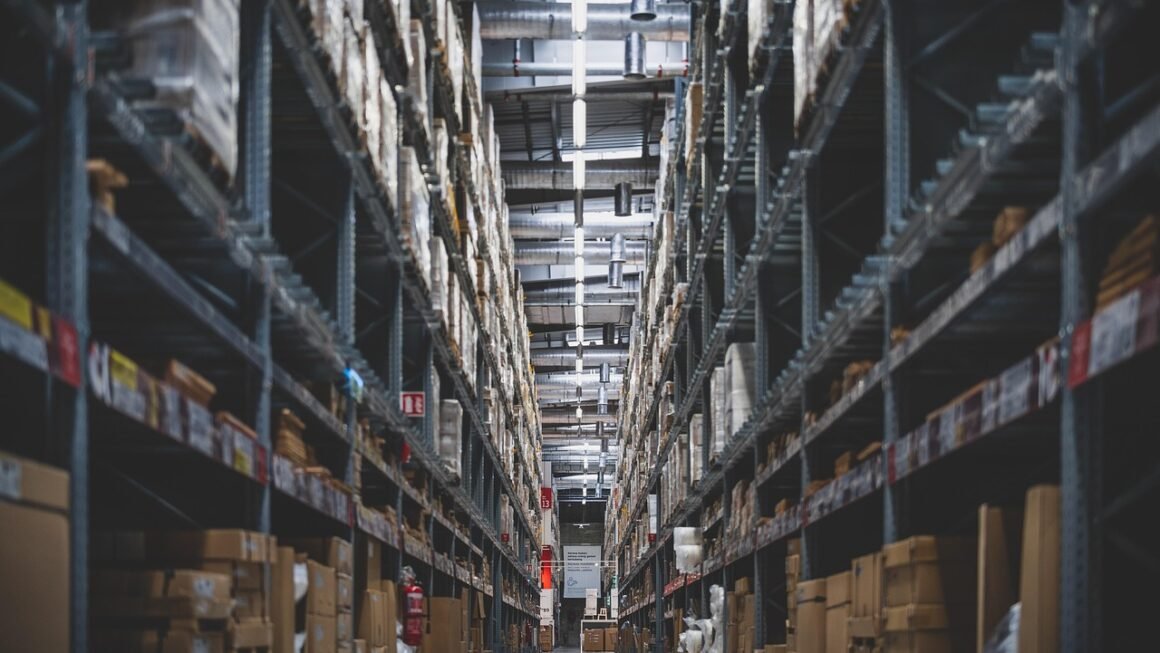
- Warehousing & Storage: The strategic placement and management of goods in facilities. This involves warehouse design, space utilization, material handling, and security measures.
- Inventory Management: The process of ordering, storing, and utilizing a company’s inventory. It aims to balance the costs of holding inventory with the need to meet customer demand, preventing both stockouts and excess stock.
- Order Fulfillment: The complete process from receiving a customer order to its delivery. This includes order processing, picking, packing, and shipping.
- Information Flow: The critical exchange of data throughout the logistics network. This includes tracking orders, managing inventory levels, monitoring shipments, and communicating with suppliers and customers.
Actionable Takeaway: A holistic understanding and continuous optimization of these core components are fundamental to building a robust and responsive logistics operation that truly supports business objectives.
The Indispensable Role of Transportation in Logistics
Transportation is arguably the most visible and dynamic element of logistics, forming the backbone of product movement across local, national, and international borders. Choosing the right transportation strategy can significantly impact costs, delivery times, and environmental footprint.
Modes of Transport
Businesses utilize various modes of transport, often in combination, to move their goods:
- Road Freight (Trucking): Offers unparalleled flexibility for door-to-door delivery, especially for domestic and regional shipments. It’s crucial for
last-mile delivery
and offers varied capacities from small vans to full truckloads (FTL) and less-than-truckload (LTL) options.
- Ocean Freight (Shipping): The most cost-effective mode for moving large volumes of goods internationally. Containerization has revolutionized global trade, enabling efficient intermodal transport.
- Air Cargo: Provides the fastest delivery for urgent, high-value, or time-sensitive shipments, though at a higher cost. Essential for perishable goods, electronics, and emergency supplies.
- Rail Freight: An efficient and economical option for transporting bulky goods over long distances, particularly within continents. It offers significant environmental benefits compared to road transport for heavy cargo.
Route Optimization & Efficiency
Modern transportation logistics heavily relies on technology to enhance efficiency:
- GPS and Real-time Tracking: Provides visibility into shipment locations, estimated arrival times, and potential delays, enabling proactive communication and adjustments.
- AI and Machine Learning Algorithms: Analyze traffic patterns, weather conditions, delivery windows, and fuel prices to suggest the most efficient routes, minimizing transit times and fuel consumption. For instance, a food distribution company might use AI to plan daily delivery routes for 50 trucks across a metropolitan area, reducing fuel costs by 15% and ensuring fresh produce reaches stores on time.
- Consolidation: Combining multiple smaller shipments into a single, larger load to maximize vehicle capacity and reduce per-unit shipping costs.
Practical Example: An e-commerce retailer might ship products from its overseas manufacturing plant via ocean freight to a central distribution hub. From there, products are moved via rail to regional warehouses, and finally delivered to customers’ homes using road freight for the critical last-mile delivery, demonstrating a multi-modal approach for optimal cost and speed.
Actionable Takeaway: Strategic selection and optimization of transportation modes, coupled with advanced route planning, are paramount for achieving cost efficiencies and meeting customer delivery expectations.
Mastering Warehousing and Inventory Management
Beyond transportation, the efficient handling and storage of goods in warehouses and the meticulous management of inventory are critical for a streamlined logistics operation. These aspects directly influence a company’s ability to fulfill orders quickly, control costs, and maintain customer satisfaction.
Strategic Warehousing
Warehouses are no longer just storage facilities; they are dynamic hubs crucial for efficient product flow. Their design and operation significantly impact speed and cost:
- Distribution Centers (DCs): Designed for rapid throughput rather than long-term storage, enabling quick processing of incoming goods for onward shipment.
- Cross-docking: A strategy where incoming goods are immediately transferred to outbound vehicles without being stored, minimizing handling and storage time. This is particularly effective for fresh produce or fast-moving consumer goods.
- Layout Optimization: Strategic placement of inventory and efficient aisle design to minimize travel time for picking and packing. This can involve analyzing product popularity and picking frequency.
- Automation: Technologies like Automated Storage and Retrieval Systems (AS/RS), conveyor belts, and robotics dramatically increase throughput, reduce labor costs, and improve accuracy. For example, Amazon warehouses utilize thousands of Kiva robots to bring shelves of products to human pickers, significantly accelerating order fulfillment.
Inventory Management Techniques
Effective inventory management is about striking a delicate balance: having enough stock to meet demand without incurring excessive holding costs or risking obsolescence.
- Just-In-Time (JIT): A strategy where materials and products are received only when needed, minimizing inventory holding costs and waste. While highly efficient, it requires strong supplier relationships and precise demand forecasting.
- FIFO (First-In, First-Out) / LIFO (Last-In, First-Out): Methods for managing inventory flow, often chosen based on product type (e.g., FIFO for perishables to ensure freshness).
- Safety Stock & Reorder Points: Holding a buffer of inventory (safety stock) to guard against unexpected demand spikes or supply disruptions. Reorder points automatically trigger new orders when stock levels hit a predetermined minimum.
- Demand Forecasting: Using historical data, market trends, and predictive analytics to anticipate future customer demand, allowing for more accurate inventory planning.
Practical Example: A fashion retailer might implement a JIT system for its fast-moving apparel lines, ordering new stock weekly based on sales data to minimize excess inventory. Simultaneously, it might maintain safety stock for essential, slow-moving items like basic accessories to avoid stockouts.
Actionable Takeaway: Optimizing warehouse design and employing advanced inventory management techniques are critical for reducing operational costs, enhancing order fulfillment speed, and ultimately boosting customer satisfaction and profitability.
The Impact of Technology and Digital Transformation on Logistics
The logistics industry is in the midst of a profound digital transformation, with technology acting as a powerful catalyst for efficiency, transparency, and innovation. Embracing these advancements is no longer optional but essential for competitive survival.
Emerging Technologies Driving Logistics Forward
A range of cutting-edge technologies is reshaping how goods move through the supply chain:
- Artificial Intelligence (AI) & Machine Learning (ML): Powers predictive analytics for demand forecasting, dynamic route optimization, fraud detection, and even predictive maintenance for vehicles and warehouse equipment. AI can analyze vast datasets to anticipate potential disruptions before they occur.
- Internet of Things (IoT): Sensors embedded in vehicles, warehouses, and even on individual packages provide real-time data on location, temperature, humidity, and shock. This enables proactive monitoring of cargo conditions, especially for sensitive goods like pharmaceuticals.
- Blockchain: Offers enhanced transparency and traceability across the entire supply chain. By creating an immutable, distributed ledger of transactions, blockchain can improve trust, reduce paperwork, and streamline customs processes, making it easier to verify product authenticity and origin.
- Robotics & Automation: Beyond AS/RS, autonomous mobile robots (AMRs) navigate warehouses to assist with picking and packing, while drone technology is being explored for inventory checks and even last-mile deliveries in specific environments.
Data-Driven Decision Making
The proliferation of these technologies generates an unprecedented amount of data. Leveraging this data effectively is key:
- Enhanced Visibility: Comprehensive dashboards provide end-to-end visibility of goods in transit, inventory levels, and operational performance, allowing managers to make informed decisions swiftly.
- Performance Analytics: Analyzing data on delivery times, fuel consumption, labor costs, and customer feedback helps identify bottlenecks, measure KPIs, and drive continuous improvement.
- Predictive Maintenance: IoT sensors on trucks can monitor engine health and predict potential breakdowns, allowing for scheduled maintenance rather than reactive repairs, minimizing downtime.
Statistic: The global logistics automation market size is projected to grow from USD 51.5 billion in 2023 to USD 101.9 billion by 2028, at a CAGR of 14.6%, highlighting the rapid adoption of technology in the sector.
Actionable Takeaway: Businesses must strategically invest in and integrate digital technologies to gain real-time insights, automate repetitive tasks, and ultimately build a more agile, efficient, and resilient logistics operation.
Global Logistics and Supply Chain Resilience
In an increasingly globalized world, logistics extends far beyond national borders. Managing international shipments, navigating complex regulations, and building resilient supply chains are paramount for businesses operating on a global scale.
International Trade Challenges
Global logistics presents a unique set of complexities:
- Customs and Tariffs: Navigating varying customs regulations, duties, and tariffs across different countries can be a significant administrative and financial hurdle. Errors can lead to costly delays and penalties.
- Geopolitical Risks: Trade wars, political instability, and international disputes can disrupt supply routes, impose sanctions, and create uncertainty.
- Infrastructure Variations: The quality of transportation infrastructure (roads, ports, airports) varies significantly worldwide, impacting transit times and reliability.
- Currency Fluctuations: Exchange rate volatility can affect the cost of international freight and goods.
- Documentation: Managing a vast array of international shipping documents, including bills of lading, commercial invoices, packing lists, and certificates of origin, requires meticulous attention to detail.
Building Resilient Supply Chains
Recent global events, such as the COVID-19 pandemic and geopolitical conflicts, have underscored the critical need for supply chain resilience – the ability to anticipate, absorb, adapt to, and recover from disruptions.
- Diversification of Suppliers: Relying on a single supplier or region can be risky. Sourcing components or products from multiple geographical locations can mitigate the impact of localized disruptions.
- Risk Assessment and Mitigation Strategies: Proactively identifying potential risks (e.g., natural disasters, labor disputes, port congestion) and developing contingency plans is crucial. This might involve holding strategic buffer stock or having alternative transport routes.
- Multimodal Transport Strategies: Utilizing a mix of transportation modes can offer flexibility. If one mode is disrupted (e.g., port closures affecting ocean freight), alternatives can be quickly activated.
- Increased Visibility: Leveraging technology to gain end-to-end visibility across the global supply chain allows companies to identify and react to disruptions more quickly.
Practical Example: Following a major port closure due to a natural disaster, a multinational electronics company activated its contingency plan. Instead of waiting for the primary port to reopen, it rerouted critical components through an alternative port in a neighboring country and utilized air freight for urgent shipments, minimizing production delays.
Actionable Takeaway: Proactive risk management, supplier diversification, and leveraging technology for enhanced visibility are vital for building a resilient global logistics strategy that can withstand disruptions and maintain business continuity.
Conclusion
Logistics is far more than a cost center; it’s a strategic differentiator that can make or break a business in today’s competitive landscape. From the precision of inventory management to the dynamic challenges of global freight, every aspect of logistics plays a crucial role in delivering value and ensuring customer satisfaction. By understanding its core components, embracing technological advancements, and building resilient supply chains, businesses can transform their logistics operations from a mere necessity into a powerful engine for growth, efficiency, and sustained success. The future of business success will undoubtedly be defined by those who master the intricate art and science of moving goods efficiently and intelligently.