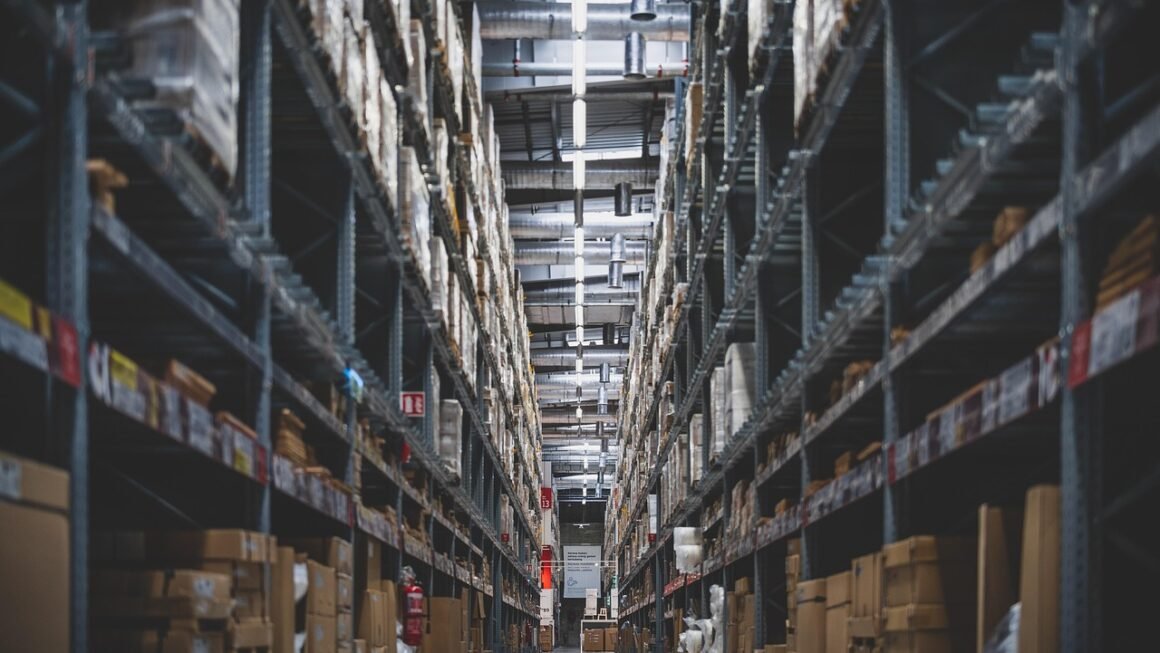
In a world that thrives on connectivity and instant gratification, there’s an intricate dance happening behind every successful product delivery, every stocked shelf, and every seamless online purchase. This silent orchestrator, often overlooked yet absolutely vital, is logistics. Far more than just moving goods from point A to point B, logistics is the strategic heartbeat of global commerce, encompassing the meticulous planning, execution, and control of goods, services, and information from origin to consumption. It’s the difference between a thriving business and a tangled mess, the critical link that keeps economies humming and customers satisfied.
Understanding the Core of Logistics
Logistics is the comprehensive management of the flow of resources between the point of origin and the point of consumption to meet the requirements of customers or corporations. It involves the integration of information flow, material handling, production, packaging, inventory, transportation, warehousing, and security. Essentially, it’s about getting the right product, to the right customer, in the right quantity, at the right condition, at the right place, at the right time, and at the right cost.
Why Logistics is Critical for Businesses
- Cost Efficiency: Optimized logistics minimizes operational costs, from fuel and labor to warehousing and inventory holding.
- Customer Satisfaction: Timely and accurate deliveries directly translate to happier customers and stronger brand loyalty.
- Competitive Advantage: Businesses with superior logistics can offer faster delivery, better service, and more reliable supply chains.
- Operational Efficiency: Streamlined processes reduce waste, improve productivity, and enhance overall business performance.
- Risk Management: Robust logistics plans help mitigate disruptions, ensuring business continuity even in challenging circumstances.
Key Components of Logistics Management
- Transportation: The physical movement of goods via various modes (road, rail, air, sea, pipeline). This includes route planning, carrier selection, and freight optimization.
Example: A clothing retailer using a combination of sea freight for bulk imports from Asia and truck freight for last-mile delivery to retail stores.
- Warehousing & Storage: The management of space for storing goods, including facility selection, layout design, and storage system implementation.
Example: A cold storage warehouse designed specifically to maintain precise temperatures for perishable food items, ensuring product integrity.
- Inventory Management: Strategies for optimizing stock levels to balance supply and demand, minimizing holding costs while preventing stockouts. Techniques include Just-in-Time (JIT) and Safety Stock.
Example: An automotive manufacturer implementing JIT inventory to receive parts only when they are needed for assembly, drastically reducing warehousing costs.
- Packaging & Material Handling: Designing packaging for protection, efficiency, and sustainability, alongside the systems and equipment for moving and storing materials within a facility.
Example: Using RFID tags on pallets to automatically track inventory movement within a distribution center, speeding up handling and reducing errors.
- Information Flow: The communication and data exchange across the entire supply chain, crucial for visibility, coordination, and decision-making.
Example: A cloud-based logistics platform providing real-time tracking updates to customers, from order placement to final delivery.
The Unseen Power of Logistics Optimization
In today’s fast-paced market, merely having a logistics system isn’t enough; it must be continuously optimized. Logistics optimization is about leveraging data, technology, and strategic thinking to make supply chain operations as efficient and cost-effective as possible. This often means doing more with less, reducing waste, and enhancing service levels simultaneously.
Strategies for Enhanced Logistics Performance
- Route Optimization: Utilizing specialized software to determine the most efficient routes for delivery vehicles, considering factors like traffic, delivery windows, and vehicle capacity.
Actionable Takeaway: Implement a dynamic route optimization software. Studies show this can reduce fuel consumption by 10-30% and improve delivery times.
- Warehouse Management Systems (WMS): Deploying advanced WMS to automate and streamline warehouse operations, from receiving and putaway to picking, packing, and shipping.
Example: A WMS directing a forklift driver to the exact shelf location for a specific product, minimizing search time and maximizing picking accuracy.
- Demand Forecasting: Employing data analytics and predictive modeling to anticipate customer demand, allowing for more accurate inventory planning and reduced overstocking or stockouts.
Actionable Takeaway: Invest in AI-powered forecasting tools to analyze historical sales data, market trends, and even weather patterns for more precise inventory decisions.
- Collaboration with 3PLs (Third-Party Logistics Providers): Partnering with expert 3PLs to outsource complex logistics functions, gaining access to specialized knowledge, infrastructure, and economies of scale.
Example: An e-commerce startup outsourcing its entire fulfillment process to a 3PL, enabling them to focus on product development and marketing without the burden of warehouse management.
Practical Example: E-commerce Fulfillment
Consider an online retailer. When a customer places an order, optimized logistics ensures that:
- The order immediately triggers a pick request in the nearest fulfillment center.
- A WMS guides staff (or robots) to efficiently pick the items.
- Items are packed securely and labeled correctly.
- Route optimization software assigns the package to the most efficient delivery vehicle.
- The customer receives real-time tracking updates, building trust and transparency.
- The package arrives on time, often within 24-48 hours, completing a seamless customer experience.
Technology: The Game Changer in Modern Logistics
The digital revolution has profoundly transformed logistics, moving it from a manual, reactive process to a data-driven, proactive, and interconnected ecosystem. Technology is not just an enabler; it’s the core engine driving innovation, efficiency, and resilience in today’s supply chains.
Essential Technologies Shaping the Future
- IoT (Internet of Things): Sensors embedded in vehicles, pallets, and products provide real-time data on location, temperature, humidity, and more.
Example: IoT sensors monitoring the temperature of a refrigerated container carrying vaccines, immediately alerting handlers if conditions deviate from the required range.
- AI & Machine Learning: Used for predictive analytics (e.g., forecasting demand, predicting equipment failures), optimizing routes, automating decision-making, and enhancing fraud detection.
Actionable Takeaway: Implement AI for dynamic pricing and inventory adjustments based on real-time market fluctuations and predictive demand. A recent report by Deloitte highlights that companies leveraging AI in supply chain management saw up to a 15% reduction in logistics costs.
- Blockchain: Offers a decentralized, transparent, and immutable ledger for tracking goods and transactions across the supply chain, enhancing traceability and security.
Example: A food producer using blockchain to track produce from farm to fork, allowing consumers to verify the origin and journey of their food with a QR code.
- Automation & Robotics: Automated guided vehicles (AGVs), robotic arms, and drones are revolutionizing warehousing (picking, sorting), last-mile delivery, and inventory counts.
Example: Amazon fulfillment centers utilizing thousands of Kiva robots to move shelves to human pickers, significantly accelerating order fulfillment.
- Cloud-Based Platforms: Facilitate seamless data sharing and collaboration among all supply chain partners, providing centralized visibility and operational control.
Actionable Takeaway: Transition from legacy on-premise systems to cloud-based logistics platforms to improve scalability, reduce IT overhead, and enhance data accessibility for remote teams.
Benefits of Adopting Logistics Technology
- Increased visibility across the entire supply chain.
- Reduced human error and improved accuracy.
- Faster delivery times and enhanced responsiveness.
- Significant cost savings through optimization and automation.
- Better decision-making supported by real-time data and analytics.
Tackling Challenges and Embracing Sustainability in Logistics
While technology offers immense opportunities, the logistics sector faces persistent and evolving challenges, from geopolitical instability and labor shortages to the urgent need for environmental responsibility. Navigating these complexities requires adaptability, innovation, and a strong commitment to sustainable practices.
Major Hurdles in the Logistics Landscape
- Supply Chain Disruptions: Events like natural disasters, pandemics (e.g., COVID-19), and geopolitical conflicts can severely impact global supply chains, leading to delays and increased costs.
Example: The Suez Canal blockage in 2021, which halted global shipping for days and caused ripple effects for months.
- Labor Shortages: A persistent shortage of truck drivers, warehouse workers, and other logistics personnel in many regions.
- Rising Fuel Costs: Volatile fuel prices directly impact transportation costs, eating into profit margins.
- Regulatory Complexity: Navigating diverse international trade regulations, customs procedures, and environmental compliance standards.
- Cybersecurity Threats: Increasingly sophisticated cyber attacks targeting logistics systems, posing risks to data integrity and operational continuity.
Towards Greener Logistics
Sustainability is no longer a niche concern but a core strategic imperative. Green logistics focuses on minimizing the environmental impact of logistics activities while maintaining economic efficiency.
- Eco-friendly Transportation: Investing in electric vehicles (EVs) for last-mile delivery, exploring alternative fuels for long-haul transport, and optimizing routes to reduce mileage and emissions.
Example: Major parcel carriers deploying electric delivery vans in urban areas to reduce emissions and noise pollution.
- Optimized Packaging: Designing packaging that uses fewer materials, is recyclable or biodegradable, and optimizes space to reduce waste and shipping volume.
Actionable Takeaway: Conduct a packaging audit to identify opportunities for reducing material use, switching to recycled content, and rightsizing packages to minimize void fill.
- Reverse Logistics: Efficiently managing the return of products, including refurbishment, recycling, and proper disposal, to minimize waste and recover value.
Example: An electronics manufacturer setting up a robust reverse logistics system to reclaim components from returned products for reuse in new manufacturing.
- Carbon Footprint Reduction: Measuring, monitoring, and actively working to reduce greenhouse gas emissions across all logistics operations.
Actionable Takeaway: Partner with logistics providers who offer carbon offsetting programs or are committed to using renewable energy sources in their operations.
The Future of Logistics: Trends and Innovations
The logistics industry is in a constant state of evolution, driven by technological advancements, changing consumer expectations, and global challenges. Looking ahead, several key trends will define the landscape of logistics, demanding agility and foresight from businesses.
Emerging Trends to Watch
- Hyperautomation: The end-to-end automation of processes through a combination of technologies like RPA (Robotic Process Automation), AI, machine learning, and intelligent business process management. This means automating not just tasks, but entire workflows.
- Last-Mile Innovation: The critical final leg of delivery is seeing massive disruption with drones, autonomous vehicles, micro-fulfillment centers (small urban warehouses), and crowd-sourced delivery models becoming more prevalent.
Example: Supermarkets setting up micro-fulfillment centers in the back of existing stores to speed up online grocery order picking for local delivery or curbside pickup.
- Predictive Logistics: Leveraging advanced analytics to predict potential disruptions, demand fluctuations, and delivery delays before they occur, enabling proactive rather than reactive responses.
- Circular Economy Logistics: A shift from linear (make-use-dispose) to circular models, emphasizing reuse, repair, remanufacturing, and recycling. Logistics plays a crucial role in collecting and transporting materials for these processes.
- Resilience and Agility: Building supply chains that can withstand shocks and adapt quickly to change, often involving multi-sourcing, regionalization of manufacturing, and dynamic network design.
Actionable Takeaway: Develop robust contingency plans, diversify your supplier base, and regularly stress-test your supply chain for potential vulnerabilities. According to a McKinsey report, companies with resilient supply chains perform better financially and have a competitive edge.
How Businesses Can Prepare
- Invest in Continuous Learning and Development: Equip your teams with the skills needed to manage and leverage new technologies.
- Foster a Culture of Innovation: Encourage experimentation with new logistics solutions and sustainable practices.
- Prioritize Data Security: Strengthen cybersecurity measures to protect sensitive logistics data and operational systems.
- Collaborate and Partner: Work closely with technology providers, 3PLs, and even competitors to share insights and build more robust ecosystems.
Conclusion
Logistics, often operating behind the scenes, is undeniably the lifeblood of our interconnected world. From ensuring products reach consumers’ doorsteps to facilitating global trade, its impact is profound and far-reaching. By embracing optimization strategies, harnessing the power of cutting-edge technology, addressing inherent challenges, and committing to sustainable practices, businesses can not only enhance their operational efficiency and customer satisfaction but also build resilient, future-proof supply chains. As global demands continue to evolve, the strategic importance of effective logistics will only continue to grow, making it a pivotal area for investment, innovation, and strategic focus for any forward-thinking enterprise.