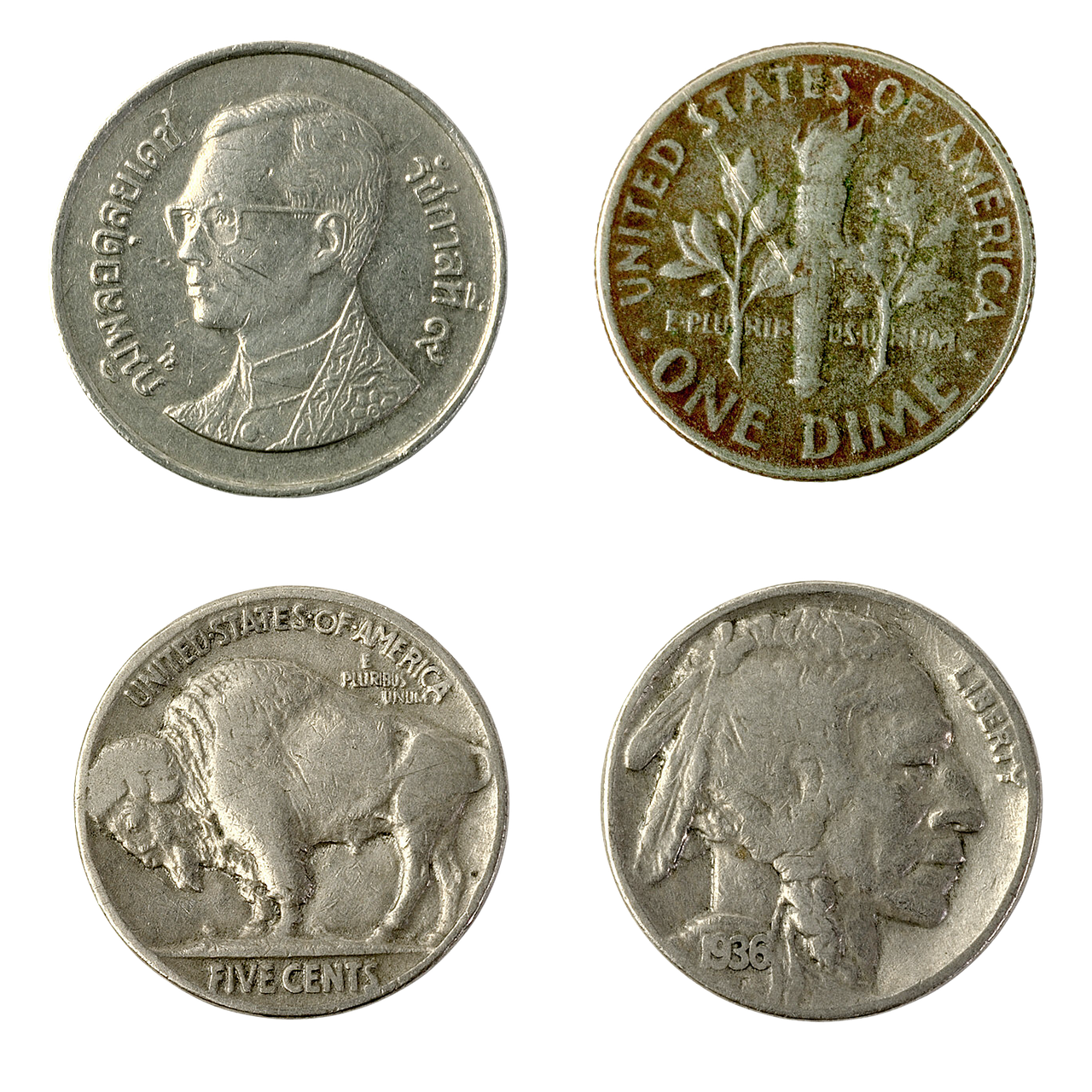
The world of finance is vast and often complex, yet few markets command the sheer scale and global reach of Forex. Short for Foreign Exchange, Forex trading involves buying and selling currencies with the aim of profiting from fluctuations in their exchange rates. It’s a dynamic, 24-hour market where trillions of dollars change hands daily, making it the largest financial market globally. Whether you’re a seasoned investor seeking diversification or a curious beginner looking to explore new opportunities, understanding Forex is a crucial step towards potentially unlocking a world of financial possibilities.
What is Forex Trading? The World’s Largest Financial Market
Forex trading is the simultaneous buying of one currency and selling of another. When you exchange money to travel, you are participating in the forex market. In the trading world, however, the goal is speculative: to profit from the change in value of one currency against another. This market is decentralized, operating over-the-counter (OTC) rather than through a central exchange.
Understanding Currency Pairs
Currencies are always traded in pairs. The value of one currency is quoted against another. For example, if you trade EUR/USD, you are exchanging Euros for US Dollars. The first currency in the pair is called the base currency, and the second is the quote currency. When you buy EUR/USD, you are buying Euros and simultaneously selling US Dollars, expecting the Euro to strengthen against the Dollar.
- Major Pairs: These are the most frequently traded currency pairs globally, involving the world’s most liquid currencies. They typically include the US Dollar (USD) paired with other major currencies like the Euro (EUR), Japanese Yen (JPY), British Pound (GBP), Swiss Franc (CHF), Canadian Dollar (CAD), and Australian Dollar (AUD).
- Example: EUR/USD, GBP/JPY, USD/CHF
- Minor Pairs (Crosses): These pairs do not include the US Dollar but involve two other major currencies. They tend to have slightly lower liquidity and wider spreads than major pairs.
- Example: EUR/GBP, AUD/NZD, GBP/CAD
- Exotic Pairs: These consist of one major currency and one currency from an emerging market or a smaller economy. Exotic pairs are typically less liquid and exhibit higher volatility and wider spreads due to lower trading volume.
- Example: USD/MXN (US Dollar/Mexican Peso), EUR/TRY (Euro/Turkish Lira)
How Forex Trading Works
Participants in the Forex market range from large institutional banks and multinational corporations to hedge funds and individual retail traders. The market functions through a global network of banks, brokers, and financial institutions that facilitate trades. When you open a trading account with a Forex broker, you gain access to this network, allowing you to buy and sell currency pairs with ease.
Actionable Takeaway: Begin by familiarizing yourself with major currency pairs, as they offer the highest liquidity and generally lower transaction costs, making them ideal for beginners.
Why Consider Forex Trading? Key Advantages
The Forex market offers several compelling advantages that attract traders worldwide, distinguishing it from other financial markets.
High Liquidity
With an average daily trading volume exceeding $6.6 trillion (as per the Bank for International Settlements’ 2019 survey), the Forex market is incredibly liquid. This means you can typically enter and exit trades quickly at competitive prices without significant slippage, even for large orders. High liquidity also ensures that price manipulation is extremely difficult, fostering a fairer trading environment.
24/5 Market Access
Unlike stock markets that operate during specific business hours, the Forex market operates 24 hours a day, five days a week, from Monday morning in Asia to Friday evening in New York. This continuous operation allows traders to react to news and events as they happen, irrespective of their geographical location or time zone. It offers flexibility, allowing individuals to trade around their personal and professional schedules.
Potential for Profit in Both Rising and Falling Markets
In Forex, you can profit whether a currency’s value is rising or falling. If you believe the Euro will strengthen against the US Dollar, you would “buy” EUR/USD. Conversely, if you expect the Euro to weaken, you would “sell” EUR/USD (effectively selling Euros and buying US Dollars). This ability to go “long” (buy) or “short” (sell) provides opportunities in various market conditions.
Low Transaction Costs
Forex brokers typically make their money through the “spread”—the difference between the bid (buy) and ask (sell) price—rather than fixed commissions on every trade (though some ECN brokers do charge commissions). Spreads on major currency pairs can be very tight, often just a few pips, making the cost of entry and exit relatively low compared to other markets, especially for active traders.
Actionable Takeaway: Leverage the 24/5 nature of the market by identifying your optimal trading hours, perhaps when key financial centers (London, New York, Tokyo) overlap, often leading to higher volatility and liquidity.
Essential Concepts and Terminology in Forex
To navigate the Forex market effectively, understanding key terminology is crucial. These concepts form the bedrock of every trade you make.
Pips, Lot Sizes, and Profit Calculation
- Pip (Percentage in Point): A pip is the smallest price increment that a currency pair can move. For most currency pairs, a pip is the fourth decimal place (0.0001). For JPY pairs, it’s the second decimal place (0.01). Pips are fundamental to calculating profit and loss.
- Example: If EUR/USD moves from 1.1200 to 1.1205, it has moved 5 pips.
- Lot Size: Forex trading occurs in specific units called lots.
- Standard Lot: 100,000 units of the base currency.
- Mini Lot: 10,000 units of the base currency.
- Micro Lot: 1,000 units of the base currency.
- Nano Lot: 100 units of the base currency (less common).
- Profit/Loss Calculation: The value of a pip depends on the lot size and the currency pair. For a standard lot of EUR/USD, one pip is typically worth $10. If you buy 1 standard lot of EUR/USD at 1.1200 and sell at 1.1250, you’ve gained 50 pips. Your profit would be 50 pips * $10/pip = $500.
Leverage and Margin: Double-Edged Swords
- Leverage: This is essentially borrowed capital that increases your trading power. A leverage of 1:100 means that for every $1 of your own capital, you can control $100 in the market. While leverage can significantly amplify profits, it can also amplify losses, making it a high-risk tool if not managed carefully.
- Margin: This is the amount of capital required to open and maintain a leveraged position. It’s not a transaction cost but rather a deposit held by the broker to cover potential losses. If your account equity falls below the margin requirement, you may face a “margin call,” requiring you to deposit more funds or close positions.
Example: With a 1:100 leverage, to control a standard lot ($100,000) of EUR/USD, you would only need to put up $1,000 as margin.
Bid, Ask, and Spread
- Bid Price: This is the price at which your broker is willing to buy the base currency from you (the price at which you can sell).
- Ask Price (Offer Price): This is the price at which your broker is willing to sell the base currency to you (the price at which you can buy).
- Spread: The difference between the bid and ask price. This is the broker’s primary way of profiting from your trade. A smaller spread is more favorable to the trader.
Actionable Takeaway: Always trade with appropriate lot sizes relative to your capital. Start with micro or mini lots to manage risk, especially when using leverage. Understand your broker’s leverage policy and its implications for margin requirements.
Mastering Risk Management and Trading Strategies
Successful Forex trading is not just about identifying opportunities; it’s crucially about managing risk and executing a well-defined strategy.
The Importance of Risk Management
Risk management is paramount in Forex to protect your capital and ensure long-term sustainability. Without it, even a string of winning trades can be wiped out by a single large loss.
- Stop-Loss Orders: A stop-loss is an order placed with a broker to automatically close a trade when the price reaches a specified level. It limits potential losses on a trade.
- Example: If you buy EUR/USD at 1.1200 and place a stop-loss at 1.1180, your trade will close if the price falls to 1.1180, limiting your loss to 20 pips.
- Take-Profit Orders: A take-profit order is an instruction to close a trade automatically once it reaches a certain profit level. It helps secure profits and prevent greed from eroding gains.
- Position Sizing: This involves determining how many units of currency to trade based on your account size and risk tolerance. A common rule is to risk no more than 1-2% of your total trading capital on any single trade.
Popular Forex Trading Strategies
A trading strategy is a systematic approach to buying and selling currencies, based on a set of rules and criteria. Strategies can be broadly categorized by their holding period.
- Day Trading: Traders open and close all positions within the same trading day, avoiding overnight risks. This strategy requires constant monitoring and quick decision-making.
- Swing Trading: Positions are held for several days or weeks, aiming to capture “swings” in price movement. Swing traders often rely on technical analysis and support/resistance levels.
- Position Trading: This is a long-term strategy where trades are held for weeks, months, or even years, based on fundamental analysis and major economic trends.
- Scalping: A very short-term strategy involving making numerous small profits from tiny price changes, often holding trades for only seconds or minutes. It requires high discipline and fast execution.
Fundamental vs. Technical Analysis
- Technical Analysis: Involves studying past price data, chart patterns, and indicators to forecast future price movements. It assumes that all relevant information is already reflected in the price.
- Tools: Moving Averages, RSI, MACD, Fibonacci Retracements, Candlestick Patterns.
- Fundamental Analysis: Focuses on evaluating economic, social, and political factors that can influence currency values. This includes interest rates, inflation, GDP growth, employment data, and geopolitical events.
- Tools: Economic Calendars, Central Bank Announcements, News Releases.
Actionable Takeaway: Develop a robust risk management plan before placing your first live trade. Experiment with different trading strategies on a demo account to find one that suits your personality and lifestyle.
How to Get Started in Forex Trading
Embarking on your Forex trading journey requires careful preparation and a structured approach. Avoid rushing into live trading without a solid foundation.
Education is Key
Before committing any capital, invest time in learning. Read books, take online courses, watch tutorials, and study market dynamics. Understand the terminology, how economic data impacts currencies, and the basics of technical and fundamental analysis. Knowledge empowers you to make informed decisions and reduces reliance on guesswork.
Choosing a Reputable Forex Broker
Selecting the right broker is a critical step. Look for a broker that is:
- Regulated: Ensure the broker is regulated by a reputable financial authority (e.g., FCA in the UK, CySEC in Cyprus, ASIC in Australia, NFA/CFTC in the US). Regulation provides a layer of protection for your funds.
- Competitive Spreads and Fees: Compare spreads, commissions, and overnight swap fees across different brokers.
- Trading Platform: Most brokers offer popular platforms like MetaTrader 4 (MT4) or MetaTrader 5 (MT5), but some have their own proprietary platforms. Choose one that is user-friendly and offers the tools you need.
- Customer Support: Responsive and knowledgeable customer support is vital, especially when you’re starting out.
- Deposit/Withdrawal Options: Check for convenient and secure methods for funding your account and withdrawing profits.
Starting with a Demo Account
A demo account, also known as a practice account, allows you to trade with virtual money in real market conditions. It’s an invaluable tool for:
- Practicing your trading strategies without financial risk.
- Familiarizing yourself with the trading platform.
- Testing your risk management skills.
- Building confidence before transitioning to a live account.
Treat your demo account as if it were real money to develop good habits.
Developing a Trading Plan
A comprehensive trading plan is your roadmap to success. It should outline:
- Your trading goals (realistic and measurable).
- Your risk tolerance and maximum loss per trade.
- Your chosen trading strategy (entry/exit criteria, indicators).
- Your capital allocation and position sizing rules.
- Your preferred currency pairs and trading sessions.
- How you will review and adjust your plan.
Actionable Takeaway: Dedicate at least 3-6 months to consistent practice on a demo account before considering a live account. Document your demo trades in a trading journal to track progress and identify areas for improvement.
Conclusion
Forex trading offers a captivating blend of opportunity and challenge within the world’s largest and most liquid financial market. Its 24/5 accessibility, potential for profit in varying market conditions, and relatively low transaction costs make it an attractive venture for many. However, success in this dynamic arena is not merely a stroke of luck; it demands continuous education, disciplined risk management, a well-defined trading strategy, and emotional resilience. By understanding the core concepts of currency pairs, leverage, pips, and implementing practical tools like stop-loss orders and demo accounts, aspiring traders can build a solid foundation. Remember, the journey to becoming a proficient Forex trader is a marathon, not a sprint. Approach it with patience, persistence, and a commitment to lifelong learning, and you’ll be well-equipped to navigate the exciting currents of the global currency exchange.