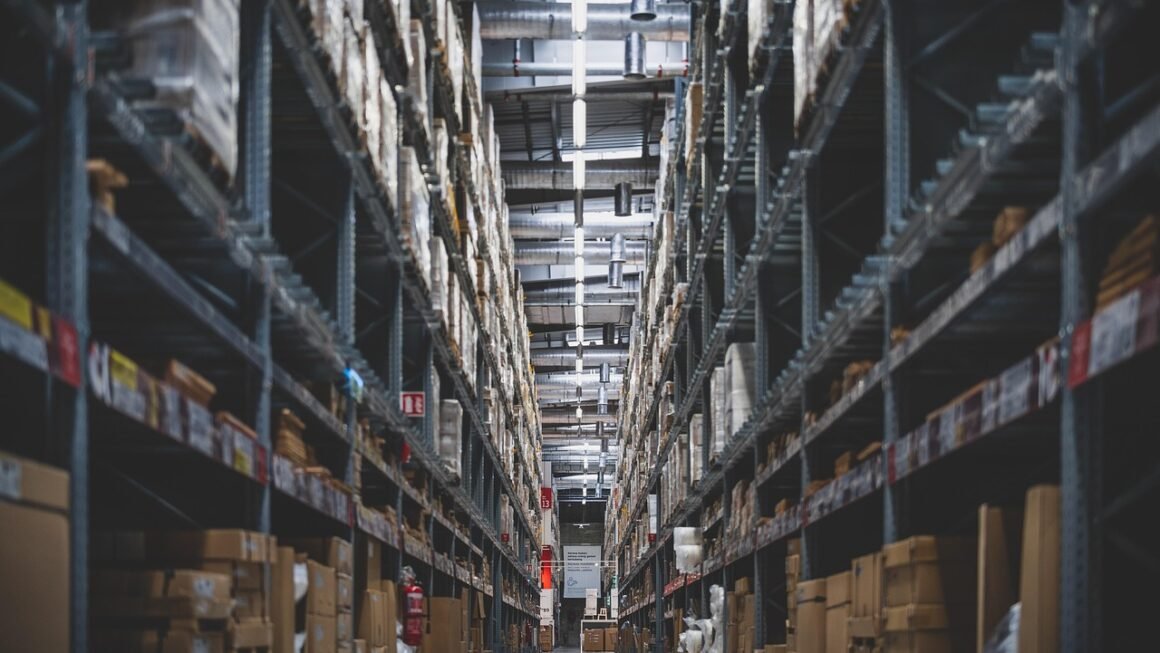
In a world of instant gratification and seamless deliveries, it’s easy to overlook the intricate dance that brings products from their origin to your doorstep. Behind every morning coffee, every smartphone purchase, and every essential item in your home lies an unsung hero: the supply chain. Far from being just a logistical afterthought, the modern supply chain is a complex, dynamic network—a strategic backbone for businesses worldwide. Understanding its components, challenges, and transformative future is not just for industry experts; it’s crucial for anyone navigating today’s interconnected global economy.
What Exactly is a Supply Chain? More Than Just Logistics
The term “supply chain” is often used broadly, but its definition encompasses a vast array of activities and stakeholders. It’s the circulatory system of commerce, ensuring that resources flow efficiently and effectively to meet consumer demand.
Defining the Supply Chain
At its core, a supply chain is the entire network of organizations, people, activities, information, and resources involved in moving a product or service from its suppliers to its customers. This journey begins with raw materials and extends through every stage until the final product reaches the end-user. Its primary goal is to deliver value, optimize efficiency, and ultimately ensure customer satisfaction.
- Raw Material Sourcing: Identifying and acquiring basic components.
- Manufacturing and Production: Transforming materials into finished goods.
- Warehousing and Storage: Holding inventory at strategic locations.
- Transportation and Distribution: Moving goods through various channels.
- Order Fulfillment: Processing and delivering customer orders.
- Customer Service: Supporting the product post-purchase.
The Difference Between Supply Chain Management and Logistics
While often used interchangeably, it’s important to distinguish between supply chain management and logistics. Think of it this way:
- Logistics is a part of the supply chain, focusing on the efficient movement, storage, and flow of goods, services, and information within individual companies and between points in the chain. It’s tactical and operational.
- Supply Chain Management (SCM) is the umbrella strategy that oversees and integrates all these individual processes. SCM aims to optimize the entire network, from strategic planning and procurement to manufacturing, inventory, transportation, and demand forecasting, to create competitive advantage and maximize customer value.
Actionable Takeaway: Don’t just manage logistics; strategically manage your entire supply chain to uncover hidden efficiencies and opportunities for innovation.
Key Pillars of Modern Supply Chain Management
A robust supply chain is built upon several interconnected pillars, each vital to the seamless flow of goods and information. Understanding these components is key to optimizing the entire system.
Procurement and Sourcing
This pillar involves identifying, evaluating, and engaging with suppliers to acquire the necessary raw materials, components, and services. It’s about securing the right materials, at the right quality, at the right price, from the right source.
- Supplier Relationship Management: Building strong, collaborative ties with key suppliers.
- Strategic Sourcing: Identifying and selecting suppliers based on a holistic assessment of cost, quality, risk, and innovation.
- Ethical Sourcing: Ensuring suppliers adhere to environmental and social responsibility standards.
Practical Example: An electronics manufacturer sources microchips from multiple global suppliers to mitigate risk and ensure a steady supply, while also verifying their compliance with labor laws.
Manufacturing and Production
Here, raw materials are transformed into finished products. This stage focuses on efficiency, quality control, and meeting production targets while minimizing waste.
- Lean Manufacturing: Principles aimed at eliminating waste in every form (e.g., unnecessary inventory, excessive processing).
- Quality Control: Implementing standards and checks to ensure products meet specifications.
- Production Planning: Scheduling manufacturing activities to align with demand forecasts.
Practical Example: An automotive assembly plant uses robotic automation and just-in-time (JIT) delivery of components to reduce inventory holding costs and speed up production cycles.
Inventory Management
This involves tracking, storing, and controlling the stock of materials, components, and finished products. The goal is to balance the costs of holding inventory against the risk of stockouts.
- Demand Forecasting: Predicting future customer demand to guide inventory levels.
- Safety Stock: Maintaining extra inventory to buffer against unexpected demand surges or supply disruptions.
- Warehouse Management Systems (WMS): Software to optimize storage, picking, and packing processes.
Practical Example: A fashion retailer uses historical sales data and current trends to predict seasonal demand, ensuring they have enough popular items without overstocking less popular ones.
Warehousing and Transportation
These are the physical aspects of moving and storing goods. Efficient warehousing optimizes storage space and order fulfillment, while transportation ensures timely delivery.
- Warehouse Optimization: Strategic layout and automation (e.g., robotic retrieval systems).
- Route Optimization: Using software to plan the most efficient delivery routes, reducing fuel costs and delivery times.
- Multimodal Transportation: Utilizing a combination of trucks, ships, trains, and planes for optimal cost and speed.
Practical Example: An e-commerce giant strategically places fulfillment centers near major population hubs and uses a combination of air freight for urgent parcels and ground shipping for standard deliveries.
Actionable Takeaway: Regularly audit each pillar of your supply chain to identify bottlenecks and areas for process improvement. Small optimizations in one area can have significant ripple effects across the entire chain.
Navigating the Complexities: Challenges and Risks
While the goal of supply chain management is smooth operation, the reality is often fraught with challenges. Businesses must proactively identify and mitigate these risks to maintain continuity and profitability.
Supply Chain Disruptions
These are sudden, unexpected events that interrupt the normal flow of goods and services. The frequency and severity of disruptions have increased significantly in recent years.
- Natural Disasters: Earthquakes, floods, hurricanes impacting production facilities or transport routes.
- Geopolitical Events: Trade wars, tariffs, political instability, and conflicts affecting international trade.
- Pandemics: Global health crises leading to factory shutdowns, labor shortages, and transport restrictions (e.g., COVID-19).
- Cyberattacks: Malicious attempts to disrupt IT systems, steal data, or halt operations.
Practical Example: The 2021 Suez Canal blockage demonstrated how a single choke point could cause global shipping delays and billions in economic losses, affecting everything from furniture to car parts.
Economic Volatility and Demand Fluctuations
Unpredictable shifts in consumer behavior, economic downturns, or sudden surges in demand can strain supply chains.
- Inflation: Rising costs of raw materials, labor, and transportation impacting profitability.
- Currency Fluctuations: Affecting the cost of international procurement and sales.
- Bullwhip Effect: Small changes in consumer demand magnifying into larger fluctuations further up the supply chain.
Sustainability and Ethical Concerns
Growing consumer and regulatory pressure demands greater transparency and responsibility throughout the supply chain.
- Environmental Impact: Reducing carbon footprint, waste, and pollution.
- Labor Practices: Ensuring fair wages, safe working conditions, and combating child labor or forced labor.
- Circular Economy: Designing products for longevity, reuse, repair, and recycling to minimize waste.
Practical Example: A major apparel brand facing public scrutiny over factory working conditions is forced to implement rigorous audit programs and invest in sustainable material sourcing.
Actionable Takeaway: Develop a robust risk management strategy. This includes diversifying suppliers, creating contingency plans for critical components, and regularly stress-testing your supply chain for potential vulnerabilities.
The Future is Now: Digital Transformation and Resilience
To overcome current challenges and unlock new efficiencies, supply chains are rapidly embracing digital transformation. This shift is creating more intelligent, agile, and resilient networks.
Artificial Intelligence (AI) and Machine Learning (ML)
AI and ML algorithms are revolutionizing demand forecasting, inventory optimization, and risk assessment.
- Predictive Analytics: Forecasting demand with greater accuracy by analyzing vast datasets (weather patterns, social media trends, economic indicators).
- Route Optimization: Dynamically adjusting delivery routes in real-time based on traffic, weather, and vehicle availability.
- Automated Warehousing: AI-powered robots handling picking, packing, and sorting tasks, reducing errors and increasing speed.
Practical Example: A grocery chain uses AI to predict which items will sell out during a holiday weekend, automatically adjusting orders to prevent both food waste and empty shelves.
Blockchain Technology
Offering unparalleled transparency and security, blockchain is transforming traceability and trust within the supply chain.
- Enhanced Traceability: Creating an immutable record of a product’s journey from origin to consumer, useful for quality control and combating counterfeiting.
- Smart Contracts: Automating payments and agreements when predefined conditions are met, reducing manual intervention and delays.
Practical Example: A coffee company uses blockchain to track its beans from individual farms to the consumer, allowing buyers to verify origin, fair trade practices, and organic certifications.
Internet of Things (IoT)
IoT devices provide real-time data, enabling proactive decision-making and enhanced visibility across the chain.
- Real-time Tracking: GPS sensors on vehicles and products providing live location updates.
- Condition Monitoring: Sensors monitoring temperature, humidity, and shock for sensitive goods (e.g., pharmaceuticals, perishable foods).
- Predictive Maintenance: IoT sensors on machinery predicting failures before they occur, reducing downtime.
Practical Example: Cold chain logistics companies use IoT sensors inside refrigerated containers to ensure vaccines or fresh produce maintain precise temperature ranges throughout transit, alerting operators to any deviations.
Cloud Computing and Data Analytics
Cloud platforms provide scalable infrastructure for storing and analyzing the massive amounts of data generated by modern supply chains, enabling better collaboration and insights.
Actionable Takeaway: Evaluate how emerging technologies like AI, blockchain, and IoT can be integrated into your supply chain strategy to enhance visibility, efficiency, and resilience. Start with pilot projects to test their impact.
Why a Robust Supply Chain is Your Business’s Backbone
Beyond simply moving products, a well-managed supply chain is a fundamental driver of business success, influencing everything from profitability to brand reputation.
Enhanced Customer Satisfaction
A smooth supply chain directly translates to happy customers. Timely deliveries, accurate orders, and product availability build trust and loyalty.
- Faster Delivery Times: Meeting customer expectations for speed.
- Product Availability: Reducing stockouts and backorders.
- Quality Assurance: Ensuring products meet high standards consistently.
Significant Cost Reduction and Efficiency Gains
Optimizing supply chain processes can lead to substantial savings and improved operational efficiency.
- Reduced Inventory Costs: Minimizing holding costs and waste.
- Optimized Logistics: Lower transportation and warehousing expenses.
- Waste Reduction: Streamlining processes to minimize material and energy waste.
Practical Example: Companies with optimized inventory management can often reduce carrying costs by 10-30%, directly impacting their bottom line.
Competitive Advantage
An efficient and agile supply chain can differentiate your business from competitors.
- Faster Time to Market: Bringing new products to consumers quicker.
- Greater Flexibility: Rapidly adapting to market changes or customer demands.
- Superior Service: Offering a better overall experience than rivals.
Effective Risk Mitigation
A resilient supply chain is better equipped to withstand disruptions, ensuring business continuity.
- Diversified Sourcing: Less reliance on single suppliers or regions.
- Contingency Planning: Protocols for responding to unforeseen events.
- Greater Visibility: Early warning systems for potential issues.
Improved Sustainability and Brand Reputation
Ethical and environmentally conscious supply chains resonate with consumers and stakeholders, bolstering brand image.
- Meeting ESG Goals: Contributing positively to environmental, social, and governance objectives.
- Attracting Conscious Consumers: Appealing to a growing market segment that values sustainable practices.
Actionable Takeaway: View your supply chain not as an expense center, but as a strategic asset. Invest in its optimization to drive growth, build customer loyalty, and secure your business’s future.
Conclusion
The supply chain, once a largely unseen operational function, has emerged as a critical strategic imperative for businesses of all sizes. From ensuring the timely delivery of goods to enabling global commerce and fostering sustainability, its influence is pervasive. As we move further into a volatile and interconnected world, the complexities will only grow. However, with the transformative power of digital technologies like AI, blockchain, and IoT, combined with a commitment to resilience and ethical practices, businesses can not only navigate these challenges but also forge a robust, efficient, and future-proof supply chain that acts as a true competitive differentiator. Investing in your supply chain is investing in the very heart of your business, ensuring its pulse remains strong, steady, and ready for whatever tomorrow brings.