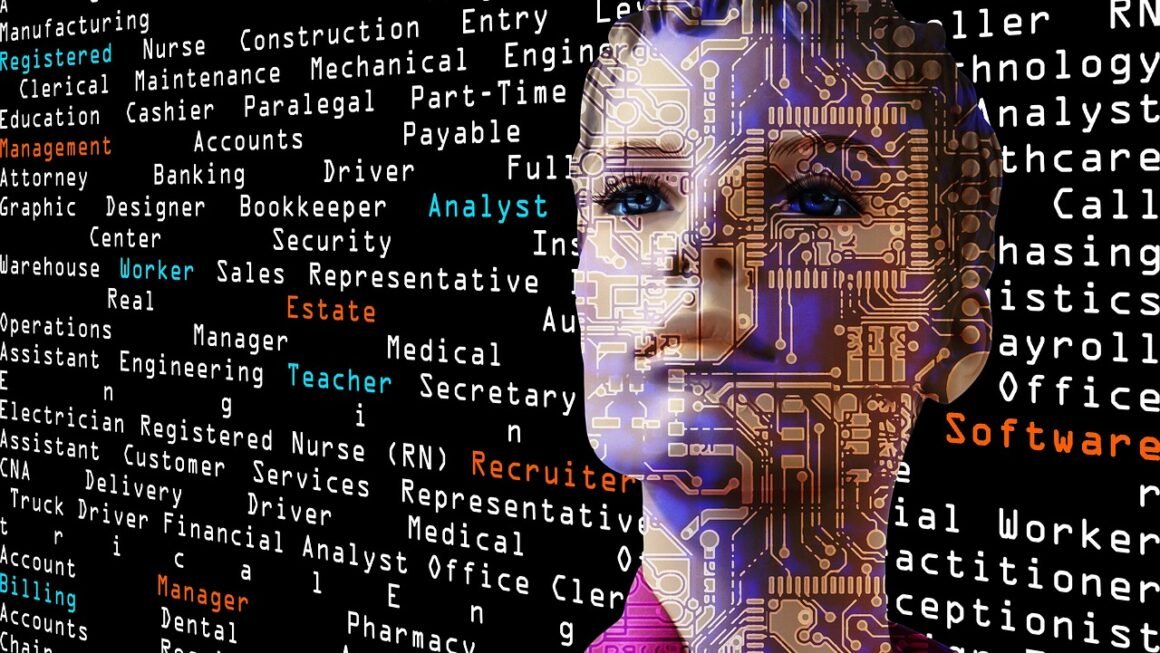
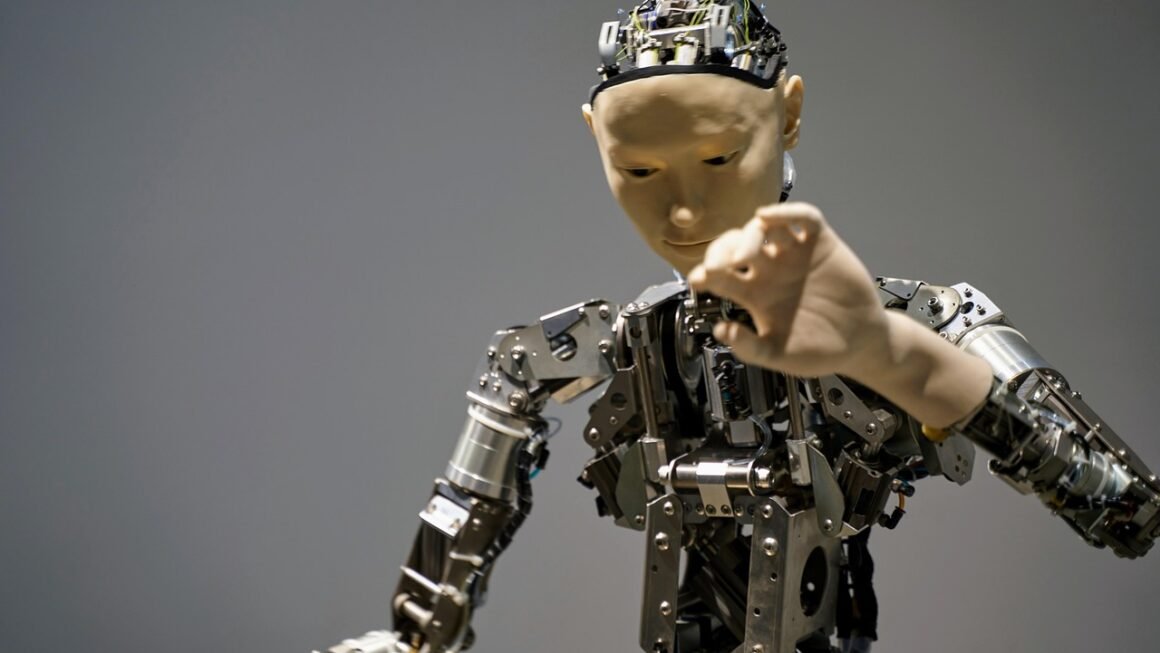
In an era defined by rapid technological advancement, few fields captivate the imagination and reshape industries quite like robotics. From the precision-driven assembly lines of manufacturing plants to the intricate operating rooms of hospitals, and even to the comfort of our homes, robots are no longer confined to the realm of science fiction. They are here, evolving at an astonishing pace, promising to augment human capabilities, solve complex problems, and fundamentally transform the way we live and work. This comprehensive guide will explore the fascinating world of robotics, delving into its core concepts, diverse applications, underlying technologies, and the exciting, yet challenging, future it portends.
What is Robotics? A Foundation for Understanding
Robotics is an interdisciplinary field that integrates computer science, engineering (mechanical, electrical, electronic), and artificial intelligence to design, construct, operate, and apply robots. At its heart, it’s about creating intelligent machines capable of performing tasks autonomously or semi-autonomously, often in environments too dangerous, tedious, or precise for humans.
Defining Robotics and Its Core Components
A robot is essentially a reprogrammable, multifunctional manipulator designed to move material, parts, tools, or specialized devices through variable programmed motions for the performance of a variety of tasks. Understanding its core components is key:
- Mechanical Structure: The physical body, including manipulators (arms), grippers (hands), locomotion systems (wheels, tracks, legs), and the base. This provides the robot with its physical capabilities.
- Actuators: The ‘muscles’ that enable movement. These are typically electric motors, but can also be hydraulic or pneumatic systems, converting energy into motion.
- Sensors: The ‘senses’ of the robot, allowing it to perceive its environment. This includes cameras (vision), lidar (distance), ultrasonic sensors, force sensors, and tactile sensors, providing crucial data for navigation and interaction.
- Control System: The ‘brain’ that processes sensor data, plans actions, and sends commands to the actuators. This involves sophisticated algorithms and software.
- Power Source: Supplies the energy for all components, ranging from batteries for mobile robots to direct electrical connections for industrial machines.
Actionable Takeaway: Grasping these fundamental components helps demystify how robots function, highlighting the blend of hardware and software essential for their operation.
A Brief History and Evolution
While the term “robot” was coined by Karel Čapek in his 1920 play R.U.R., the concept of artificial automatons dates back centuries. However, modern robotics truly began in the mid-20th century:
- Early Automatons: Ancient Greek engineers and Leonardo da Vinci created early designs for mechanical men.
- 1950s-1960s: George Devol patented the first programmable robot, “Unimate,” in 1954. Joseph Engelberger partnered with Devol to create the first industrial robotics company, Unimation. The first Unimate robot was installed at General Motors in 1961 for die-casting tasks, revolutionizing manufacturing.
- 1970s-1980s: The advent of microprocessors led to more sophisticated and affordable robots. SCARA (Selective Compliance Assembly Robot Arm) robots became prevalent in assembly.
- 1990s-2000s: Focus shifted to precision, speed, and intelligence. The development of AI and better sensors paved the way for more autonomous systems and early service robots (e.g., Roomba).
- 2010s-Present: Explosion in collaborative robots (cobots), mobile robots, and AI-driven autonomous systems. Miniaturization and advanced materials open new possibilities for surgical and micro-robots.
Actionable Takeaway: The historical progression reveals a continuous drive towards greater autonomy, adaptability, and integration into diverse aspects of human activity.
The Diverse Landscape of Robot Types
The world of robotics is incredibly varied, with different types of robots designed for specific environments and tasks. Understanding these categories helps in appreciating their widespread impact.
Industrial Robots: Powering Manufacturing and Logistics
Industrial robots are perhaps the most common and longest-standing application of robotics, foundational to modern manufacturing. They are typically stationary, high-payload, and designed for repetitive, high-precision tasks in controlled environments.
- Articulated Robots: Mimic a human arm with rotary joints, offering high flexibility. They are widely used for welding, painting, material handling, and assembly. For example, a KUKA or FANUC robotic arm welding car chassis on an automotive production line can perform thousands of precise welds per day, far surpassing human speed and consistency.
- SCARA Robots: (Selective Compliance Assembly Robot Arm) Known for high speed and precision in a horizontal plane, ideal for pick-and-place or assembly tasks where vertical movement is less critical.
- Cartesian/Gantry Robots: Move along three linear axes (X, Y, Z), excellent for large workspaces and precise linear movements, often used for machine loading, packaging, or large-scale additive manufacturing.
- Automated Guided Vehicles (AGVs) & Autonomous Mobile Robots (AMRs): These robots move materials around factories and warehouses. AGVs follow fixed paths (wires, tape), while AMRs use sensors and AI to navigate dynamic environments freely, delivering components to workstations or retrieving items from storage. Amazon’s use of thousands of AMRs to retrieve shelves of products in its fulfillment centers is a prime example of their efficiency in logistics.
Benefits: Enhanced safety (removing humans from hazardous tasks), increased productivity, consistent quality, reduced labor costs, and operational scalability.
Actionable Takeaway: Industrial robots are indispensable for efficiency and safety in high-volume production, significantly impacting the global supply chain and manufacturing competitiveness.
Collaborative Robots (Cobots): Human-Robot Synergy
Cobots represent a significant evolution, designed to work safely and interactively alongside human workers, without requiring safety cages. They bridge the gap between fully automated and purely manual processes.
- Safety Features: Equipped with advanced sensors (force-torque sensors, vision systems) that allow them to detect human presence and stop or slow down to prevent collisions. They often have rounded edges and lighter materials.
- Ease of Programming: Many cobots can be “taught” by physically guiding their arm through a task (lead-through programming), making them accessible even to non-specialists.
- Flexibility and Adaptability: Ideal for tasks requiring human dexterity or judgment combined with robotic precision and strength. Examples include quality inspection where a human verifies a robot’s pick-and-place task, or packaging where a cobot assists a human in handling items. Universal Robots are a leading example, found in small workshops and large factories alike for diverse tasks from machine tending to intricate assembly.
Benefits: Increased productivity through human-robot collaboration, improved ergonomics for workers, flexible deployment, and reduced automation barriers for SMEs.
Actionable Takeaway: Cobots are making automation more accessible and integrated, fostering a future where humans and robots augment each other’s strengths in dynamic work environments.
Service Robots: Enhancing Our Daily Lives
Service robots are designed to assist humans outside of industrial automation, often in public or domestic settings, performing tasks that improve quality of life, provide convenience, or operate in dangerous conditions.
- Healthcare Robots:
- Surgical Robots: Systems like the da Vinci Surgical System enable surgeons to perform minimally invasive procedures with enhanced precision, dexterity, and visualization.
- Pharmacy Automation: Robots for dispensing medications, reducing errors and increasing speed.
- Rehabilitation & Assistive Robots: Exoskeletons to help paralyzed individuals walk, or robotic arms for patients recovering from strokes.
- Patient Care Robots: Delivering meals, cleaning rooms, or monitoring vital signs in hospitals.
- Logistics & Delivery Robots: Autonomous vehicles delivering packages in urban areas, or robots navigating large campuses to deliver food or supplies.
- Cleaning & Domestic Robots: Robotic vacuum cleaners (e.g., Roomba), lawnmowers, and window cleaners for household chores.
- Exploration Robots: NASA’s Mars rovers (Perseverance, Curiosity) explore distant planets, while underwater drones conduct deep-sea research or inspect subsea infrastructure.
- Agricultural Robots: Drones for crop monitoring, automated harvesters, and weeding robots (e.g., Iron Ox for indoor farming) address labor shortages and increase efficiency.
Benefits: Improved safety (hazardous environments), enhanced quality of life, increased efficiency in service industries, and access to remote or dangerous locations.
Actionable Takeaway: Service robots are rapidly expanding their footprint, directly impacting healthcare, logistics, and even personal convenience, demonstrating their versatility beyond traditional industrial roles.
The Driving Forces: Technologies Behind Modern Robotics
The exponential growth and sophistication of robotics are fueled by breakthroughs in several key technological areas. These advancements enable robots to perceive, decide, and act with increasing intelligence and autonomy.
Artificial Intelligence (AI) and Machine Learning (ML)
AI is the brain that empowers robots to be more than just programmable machines. It enables them to learn from data, adapt to new situations, and make intelligent decisions.
- Perception: AI-powered computer vision allows robots to “see” and interpret their surroundings. Using deep learning, robots can identify objects, distinguish between different items, and understand human gestures, crucial for navigation and interaction. For example, autonomous forklifts use AI to recognize pallets and obstacles in a dynamic warehouse.
- Decision Making: ML algorithms allow robots to learn optimal strategies for tasks. Reinforcement learning helps robots master complex movements or manipulation tasks through trial and error, similar to how a human learns to ride a bike.
- Natural Language Processing (NLP): Enables robots to understand and respond to human speech, crucial for service robots in customer-facing roles or for intuitive robot programming.
- Predictive Maintenance: AI monitors robot performance and predicts potential failures, allowing for proactive maintenance and minimizing downtime.
Actionable Takeaway: AI is transforming robots from mere tools into intelligent partners, capable of learning, adapting, and operating with higher levels of autonomy and decision-making.
Sensors and Actuators: The Senses and Muscles of Robots
Just as humans rely on senses and muscles, robots depend on sophisticated sensors to gather information and powerful actuators to execute movements.
- Advanced Sensors:
- Lidar (Light Detection and Ranging): Creates precise 3D maps of environments, essential for autonomous navigation (e.g., self-driving cars, AMRs).
- Force/Torque Sensors: Allow robots to “feel” contact and apply appropriate force, critical for delicate assembly tasks or safe human-robot interaction in cobots.
- Proximity Sensors: Detect objects nearby without physical contact, preventing collisions.
- Thermal Cameras: Used for tasks like fire detection, quality control in manufacturing, or even medical diagnostics.
- High-Performance Actuators:
- Electric Motors: The most common, offering precise control and energy efficiency. Servo motors are ubiquitous in robotic arms.
- Hydraulic & Pneumatic Systems: Used for heavy-duty applications requiring high force, like heavy industrial robots or excavation equipment.
- Newer Technologies: Including soft actuators that mimic biological muscles, allowing for more compliant and safer interactions, especially in soft robotics.
Actionable Takeaway: Continual innovation in sensor technology provides robots with richer environmental data, while advancements in actuators grant them greater strength, precision, and dexterity, pushing the boundaries of what robots can achieve.
Advanced Gripping and Manipulation
The ability of a robot to effectively grasp and manipulate objects is crucial for a vast array of tasks. Modern grippers are designed for versatility and dexterity.
- Multi-Fingered Hands: Designed to mimic human hands, allowing for complex manipulation of various object shapes and sizes. While challenging to control, they offer immense dexterity.
- Vacuum Grippers: Use suction to lift flat, smooth, or flexible objects, common in packaging and logistics.
- Magnetic Grippers: For handling ferromagnetic materials, providing strong, reliable holds.
- Soft Grippers: Made from compliant materials, ideal for handling delicate, irregularly shaped, or fragile items (e.g., food, medical instruments) without damage. These often use pneumatic or hydraulic pressure to conform to the object’s shape.
- Vision-Guided Grasping: Integrates AI vision systems to identify objects, calculate their position and orientation, and determine the optimal grasp strategy in real-time. This enables robots to handle previously unprogrammed or jumbled items.
Actionable Takeaway: Breakthroughs in robotic grasping are expanding robots’ capabilities beyond repetitive tasks, allowing them to handle complex, delicate, and variable objects, thus opening doors to new applications in unstructured environments.
Impact and Applications Across Industries
Robotics is not just a technological field; it’s a transformative force that is fundamentally reshaping how industries operate, driving efficiency, safety, and innovation.
Manufacturing and Supply Chain Transformation
The sector that first embraced robotics continues to be its largest adopter, evolving from basic automation to highly integrated, intelligent systems.
- Precision Assembly: Robots perform repetitive, high-precision assembly tasks (e.g., electronics, automotive components) with unmatched accuracy and speed, reducing defects.
- Welding & Painting: Robotic welding ensures consistent, high-quality welds, while robotic painting achieves uniform coats with minimal material waste.
- Material Handling & Logistics: AGVs and AMRs transport goods within factories and warehouses, optimizing material flow, reducing human labor in strenuous tasks, and improving inventory management. This has been critical in e-commerce fulfillment, where robots can pick and pack orders significantly faster than humans.
- Quality Control & Inspection: Vision systems on robotic arms can inspect products for defects at high speeds, ensuring consistent quality before items leave the factory.
Impact: Increased production capacity, higher product quality, improved worker safety by automating dangerous tasks, and a significant boost in operational efficiency leading to competitive advantages.
Actionable Takeaway: For businesses in manufacturing and logistics, embracing robotics is no longer optional but essential for maintaining competitiveness, improving quality, and meeting escalating demands.
Healthcare Revolution
Robotics is having a profound impact on healthcare, enhancing diagnostic capabilities, surgical precision, and patient care.
- Surgical Assistance: Robots like the da Vinci system allow surgeons to perform complex, minimally invasive surgeries with greater precision, smaller incisions, reduced blood loss, and faster patient recovery times.
- Pharmacy Automation: Robotic systems automate the dispensing, packaging, and sorting of medications, drastically reducing human error and improving efficiency in hospitals and pharmacies.
- Rehabilitation & Prosthetics: Robotic exoskeletons assist patients with mobility impairments in regaining strength and movement. Advanced robotic prosthetics offer more natural control and sensory feedback to amputees.
- Disinfection Robots: Autonomous robots using UV light or chemical sprays disinfect hospital rooms, significantly reducing the spread of infections, particularly crucial during pandemics.
Impact: Improved patient outcomes, increased surgical precision, enhanced safety for both patients and medical staff, and greater efficiency in healthcare operations.
Actionable Takeaway: Robotics in healthcare is enhancing the quality and accessibility of medical care, transforming it into a safer, more precise, and efficient sector.
Agriculture and Food Production
Facing labor shortages and the need for sustainable practices, agriculture is increasingly turning to robotics for solutions.
- Precision Farming: Drones and ground robots equipped with sensors collect data on soil health, crop growth, and water levels, enabling precision application of water, fertilizers, and pesticides, reducing waste.
- Automated Harvesting: Robots designed to pick delicate fruits and vegetables, addressing labor shortages and ensuring consistent harvesting quality. Examples include robots that can identify ripe strawberries and pick them without bruising.
- Weeding Robots: Autonomous robots use AI vision to distinguish weeds from crops and precisely remove them, reducing reliance on herbicides.
- Livestock Management: Robots can automate tasks like milking cows (robotic milking systems), feeding animals, and monitoring animal health, improving efficiency and animal welfare.
Impact: Increased crop yields, reduced chemical use, mitigated labor shortages, and enhanced sustainability in food production, contributing to global food security.
Actionable Takeaway: Agricultural robotics is vital for a sustainable future, addressing pressing challenges in food production, efficiency, and environmental stewardship.
Exploration and Hazardous Environments
Robots excel where humans cannot go, whether due to extreme conditions, dangerous tasks, or vast distances.
- Space Exploration: Rovers like NASA’s Perseverance explore the surface of Mars, collecting samples and transmitting data, enduring conditions that are impossible for humans.
- Deep-Sea Exploration: Remotely operated vehicles (ROVs) and autonomous underwater vehicles (AUVs) explore ocean depths, study marine life, inspect underwater infrastructure, and map the seafloor.
- Disaster Response: Robots are deployed in collapsed buildings, nuclear power plants (e.g., Fukushima), or earthquake zones to search for survivors, assess damage, and handle hazardous materials without endangering human rescuers.
- Bomb Disposal: Tele-operated robots are crucial for inspecting and disarming explosive devices, protecting military personnel and civilians.
Impact: Enabling scientific discovery, ensuring human safety in extreme or hazardous conditions, and providing capabilities beyond human reach.
Actionable Takeaway: Robots are our indispensable pioneers and protectors, extending human reach into environments that are otherwise inaccessible or too dangerous.
The Future of Robotics: Trends and Ethical Considerations
The trajectory of robotics points towards increasingly intelligent, autonomous, and integrated systems. However, this future also brings complex ethical and societal challenges that require careful consideration.
Emerging Trends: Smarter, More Autonomous Robots
The next generation of robots will be characterized by enhanced intelligence, greater versatility, and deeper integration with human environments.
- Human-Robot Interaction (HRI): Future robots will interact with humans more naturally, understanding complex commands, gestures, and emotions. This is crucial for seamless collaboration in workplaces and homes.
- Soft Robotics: Utilizing flexible, compliant materials, soft robots can safely interact with delicate objects and adapt to complex environments, opening doors for safer medical devices and manipulation in unstructured settings.
- Cloud Robotics: Robots will increasingly connect to the cloud for heavy computation, data sharing, and collective learning. This allows robots to leverage vast datasets and AI models, becoming smarter faster.
- Edge AI: Conversely, AI processing on the robot itself (at the “edge”) will enable faster, real-time decision-making without constant cloud reliance, crucial for safety-critical applications like autonomous driving.
- Swarm Robotics: Large groups of simple, independent robots working together to achieve complex tasks (e.g., exploration, construction) by mimicking natural swarms.
- Robotics as a Service (RaaS): A business model where companies lease robotic hardware and software, making robotics more accessible and reducing upfront investment for businesses.
Actionable Takeaway: The future promises robots that are not just tools, but intelligent, adaptive, and collaborative entities, fundamentally changing human interaction with technology.
Challenges and Ethical Dilemmas
As robots become more sophisticated and autonomous, society must grapple with significant challenges and ethical questions.
- Job Displacement: Automation will undoubtedly change the nature of work, potentially displacing jobs in repetitive and manual labor sectors. A study by McKinsey & Company estimates that up to 375 million workers globally may need to switch occupational categories by 2030 due to automation and AI.
- Ethical AI and Bias: If robots learn from biased data, they can perpetuate or even amplify societal biases. Ensuring fairness, transparency, and accountability in AI algorithms is paramount.
- Safety and Accountability: As autonomous systems make more critical decisions, determining responsibility in case of accidents or failures becomes complex. Who is accountable when an autonomous vehicle causes an accident, or a surgical robot makes an error?
- Privacy Concerns: Robots equipped with cameras and sensors collect vast amounts of data about their environments and the people within them, raising significant privacy implications.
- Weaponization of AI: The potential for autonomous weapons systems raises profound moral and ethical questions about control and the nature of warfare.
Actionable Takeaway: Addressing these ethical and societal challenges proactively through thoughtful policy, education, and ethical design principles is crucial for realizing the full benefits of robotics while mitigating potential harm.
Preparing for a Robot-Integrated World
Navigating the future of robotics requires a multi-faceted approach involving education, policy, and societal adaptation.
- Education and Upskilling: Investing in STEM education and retraining programs to equip the workforce with skills relevant to a robot-integrated economy (e.g., robot maintenance, programming, AI development).
- Policy and Regulation: Developing clear legal and ethical frameworks for robot deployment, data privacy, accountability, and the future of work.
- Human-Centered Design: Designing robots and robotic systems with human needs, safety, and well-being at their core, ensuring they augment rather than diminish human capabilities.
Actionable Takeaway: Proactive preparation is essential; by investing in human capital and ethical frameworks, society can harness the transformative power of robotics responsibly and inclusively.
Conclusion
Robotics stands at the forefront of technological innovation, a field brimming with potential to redefine industries, enhance human capabilities, and address some of the world’s most pressing challenges. From its foundational components and diverse applications in manufacturing, healthcare, and exploration, to the intricate AI that powers its intelligence, robotics is a testament to human ingenuity. While the journey ahead is paved with exciting possibilities, it also demands careful consideration of ethical implications, job market shifts, and societal integration. By embracing continuous learning, fostering ethical development, and designing with a human-centric approach, we can collectively steer the evolution of robotics towards a future that is not only technologically advanced but also equitable, safe, and prosperous for all.