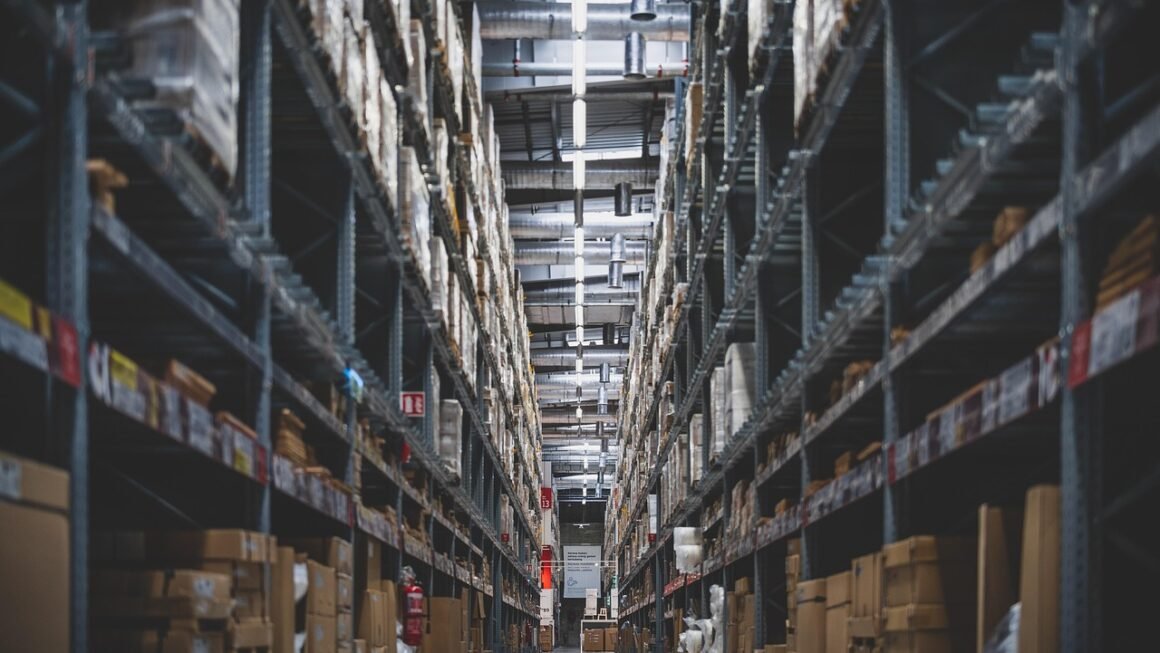
From the moment you wake up and grab your coffee to the instant you scroll through your favorite online store, an intricate, often invisible network is at play, making it all possible. This network is the supply chain – the backbone of modern commerce and the silent orchestrator of our daily lives. Far more than just moving goods from point A to B, the supply chain is a complex ecosystem connecting manufacturers, suppliers, distributors, and customers across the globe. Understanding its intricacies is not just for industry insiders; it’s crucial for businesses aiming for efficiency, resilience, and sustainable growth in today’s dynamic marketplace.
What is a Supply Chain and Why Does it Matter?
At its core, a supply chain encompasses all the steps involved in getting a product or service from its origin to the end consumer. It’s a holistic journey, starting from raw material acquisition and culminating in the final delivery and, increasingly, even post-purchase services like returns or recycling.
The Journey: Key Components of a Supply Chain
Think of a supply chain as a series of interconnected stages, each crucial for the next. While specific components can vary by industry, the core elements typically include:
- Procurement: The process of acquiring raw materials, components, or services from suppliers. This involves sourcing, negotiating, and purchasing.
- Manufacturing & Production: Transforming raw materials into finished goods. This stage includes assembly, testing, and packaging.
- Warehousing & Storage: Holding goods in facilities before they are needed. Effective warehousing ensures products are protected and ready for distribution.
- Transportation & Logistics: The movement of goods between different points in the chain, including freight, shipping, and last-mile delivery.
- Distribution: Getting finished products to retailers or directly to customers. This involves order fulfillment, inventory management, and network optimization.
- Returns & Reverse Logistics: Handling product returns, repairs, recycling, or disposal. This increasingly important component closes the loop on product lifecycles.
The Undeniable Impact: Why SCM is Crucial
Effective supply chain management (SCM) is no longer just a cost center; it’s a strategic differentiator. Its importance spans several critical areas:
- Customer Satisfaction: A well-managed supply chain ensures products are available, delivered on time, and meet quality expectations, directly impacting customer loyalty. Think of Amazon’s promise of fast delivery – it’s all built on a robust supply chain.
- Cost Reduction: Optimizing processes, inventory levels, and transportation routes can significantly reduce operational expenses, improving profit margins.
- Operational Efficiency: Streamlined workflows and integrated systems prevent bottlenecks, reduce waste, and improve productivity across the entire organization.
- Competitive Advantage: Businesses with superior supply chain capabilities can offer better prices, faster delivery, or more innovative products, outperforming competitors.
- Risk Mitigation: A resilient supply chain can better withstand disruptions, from natural disasters to geopolitical events, ensuring business continuity.
Actionable Takeaway: Don’t view your supply chain as a series of isolated functions. Recognize its interconnectedness and strategic value. Invest in understanding each stage to identify areas for optimization and competitive gain.
The Pillars of Effective Supply Chain Management (SCM)
Achieving a seamless supply chain requires mastery over several key operational areas. These pillars represent the core functions that, when optimized, drive overall efficiency and success.
Procurement and Strategic Sourcing
This pillar is about acquiring the necessary goods and services from external sources. It’s more than just buying; it’s about building strong, strategic relationships with suppliers that ensure quality, reliability, and cost-effectiveness. For example, a car manufacturer meticulously vets multiple suppliers for critical components like semiconductors, often having backup suppliers to mitigate risk.
- Supplier Relationship Management: Building long-term, collaborative relationships.
- Cost Optimization: Negotiating favorable terms and identifying cost-saving opportunities without compromising quality.
- Quality Assurance: Ensuring materials and components meet specified standards.
- Risk Assessment: Evaluating potential disruptions from suppliers and planning contingencies.
Logistics and Transportation Management
Logistics focuses on the efficient flow and storage of goods from origin to consumption. Transportation is a critical subset, involving the actual movement of these goods. This includes selecting the right mode (road, rail, air, sea), optimizing routes, and managing carriers. A prime example is how e-commerce giants invest heavily in their own logistics networks, including advanced sorting centers and proprietary delivery fleets, to control the “last mile” and speed up delivery.
- Route Optimization: Using data and software to find the most efficient delivery paths.
- Freight Management: Negotiating rates, tracking shipments, and ensuring compliance.
- Last-Mile Delivery: The final leg of delivery to the customer, often the most expensive and complex.
- Multi-modal Transport: Utilizing a combination of transport methods for efficiency and cost.
Inventory Management
This pillar is about managing stock levels effectively – having enough product to meet demand without incurring excessive holding costs. Striking this balance is crucial. Consider a retail clothing chain using predictive analytics to forecast seasonal demand, ordering just enough stock to avoid both empty shelves during peak sales and large surpluses after the season ends.
- Demand Forecasting: Predicting future customer demand using historical data and market trends.
- Just-In-Time (JIT): Minimizing inventory by receiving goods only as they are needed for production or sale.
- Safety Stock: Maintaining a small buffer of inventory to guard against unexpected demand spikes or supply disruptions.
- Inventory Turnover: A metric measuring how quickly inventory is sold and replaced, indicating efficiency.
Warehousing and Distribution
Warehousing involves the storage of goods, while distribution focuses on their movement from the warehouse to the final destination. Modern warehouses are highly automated, using robotics and advanced software to manage stock, pick orders, and prepare shipments. A food distributor might use a network of regional warehouses to quickly replenish grocery store shelves, ensuring freshness and availability across a wide geographic area.
- Warehouse Layout & Design: Optimizing space and flow for efficient operations.
- Order Fulfillment: The process from receiving an order to picking, packing, and shipping.
- Distribution Network Optimization: Strategically locating warehouses to minimize transit times and costs.
- Automation & Robotics: Utilizing technology to improve speed, accuracy, and labor efficiency.
Actionable Takeaway: Regularly audit each of these pillars. Are your supplier relationships robust? Is your logistics network optimized? Are your inventory levels balanced? Continuous improvement in these areas will yield significant returns.
Navigating the Modern Supply Chain Landscape: Challenges & Risks
While the supply chain offers immense opportunities, it also faces unprecedented challenges. The past few years, particularly the COVID-19 pandemic, have highlighted the fragility and interconnectedness of global supply chains, forcing businesses to rethink their strategies.
Global Disruptions and Volatility
Today’s supply chains operate in a world prone to rapid and unpredictable changes. Geopolitical tensions, trade wars, natural disasters (like floods or earthquakes impacting manufacturing hubs), and pandemics can bring entire systems to a halt. For instance, the Suez Canal blockage in 2021 demonstrated how a single chokepoint could disrupt global shipping for weeks, causing billions in delays and losses.
- Geopolitical Instability: Tariffs, sanctions, and political unrest can impact sourcing and distribution channels.
- Climate Change & Natural Disasters: Extreme weather events increasingly disrupt production and logistics.
- Health Crises: Pandemics can lead to factory shutdowns, labor shortages, and transport restrictions.
- Cyber Threats: Supply chain attacks can compromise data, operations, and intellectual property.
Rising Costs and Economic Pressures
Businesses constantly battle against escalating costs across the supply chain. Fuel prices directly impact transportation expenses, labor shortages drive up wages, and inflation affects raw material costs. Consider the global energy crisis impacting freight costs, making international shipping significantly more expensive for almost all industries.
- Fuel & Energy Prices: Directly impacts transportation and manufacturing costs.
- Labor Shortages: Affects warehousing, transportation, and production, driving up wage costs.
- Raw Material Price Volatility: Global demand and supply dynamics can cause sudden price spikes.
- Inflationary Pressures: Increasing costs across the board, reducing purchasing power and profit margins.
Complexity and Visibility Gaps
Modern supply chains are often sprawling, multi-tiered networks involving dozens, if not hundreds, of suppliers and partners worldwide. This complexity makes it difficult to gain end-to-end visibility, leading to blind spots regarding product origin, ethical sourcing, and potential bottlenecks. For example, a major electronics company might have tier-1 suppliers, who in turn rely on tier-2 suppliers, and so on, making it challenging to track every component’s journey and ensure compliance.
- Multi-tier Supplier Networks: Difficulty in monitoring and managing suppliers beyond the immediate tier.
- Data Silos: Lack of integrated systems prevents a holistic view of operations.
- Lack of Transparency: Challenges in tracking products and components from source to shelf.
Actionable Takeaway: Proactively identify potential risks within your supply chain. Diversify your supplier base, invest in contingency planning, and explore technologies that enhance end-to-end visibility. Don’t wait for a crisis to expose vulnerabilities.
Digital Transformation: The Future of Supply Chain
The solution to many of today’s supply chain challenges lies in embracing digital transformation. Technologies like Artificial Intelligence, Blockchain, and the Internet of Things (IoT) are revolutionizing how goods are moved, tracked, and managed, creating more intelligent, resilient, and transparent supply chains.
Artificial Intelligence (AI) & Machine Learning (ML)
AI and ML are powerhouses for predictive analytics and optimization. They can analyze vast datasets to forecast demand more accurately, optimize inventory levels, predict equipment failures, and even identify optimal shipping routes. For instance, an AI-powered system can analyze weather patterns, traffic data, and historical delivery times to suggest the most efficient route for a delivery truck, dynamically adjusting in real-time to avoid delays.
- Advanced Demand Forecasting: More accurate predictions reduce overstocking and stockouts.
- Predictive Maintenance: Monitoring equipment to anticipate and prevent breakdowns.
- Route Optimization: Dynamic planning for efficient transportation.
- Automated Warehousing: Robots and AI-driven systems for picking, packing, and sorting.
Blockchain for Transparency and Trust
Blockchain technology, known for its decentralized and immutable ledger, offers a solution to the supply chain’s visibility and trust issues. Each transaction, from raw material to final sale, can be recorded on a blockchain, creating an unalterable, verifiable history. This is particularly valuable in industries like food and pharmaceuticals, where tracing the origin and journey of products is critical for safety and compliance. Consumers could scan a QR code to see the entire history of a product, from farm to table.
- End-to-End Traceability: Track products from origin to consumer with verifiable data.
- Enhanced Trust: Immutable records reduce fraud and disputes.
- Improved Compliance: Easier to prove ethical sourcing and regulatory adherence.
Internet of Things (IoT) & Sensor Technology
IoT devices and sensors provide real-time data from across the supply chain. These devices can monitor everything from the temperature and humidity of sensitive goods (e.g., vaccines) during transit to the location and status of individual packages or containers. This real-time visibility allows for proactive problem-solving. Imagine smart sensors on cargo containers alerting logistics managers to a deviation from optimal temperature, allowing intervention before spoilage occurs.
- Real-time Asset Tracking: Know the exact location and status of goods in transit.
- Condition Monitoring: Sensors track temperature, humidity, and other environmental factors for sensitive products.
- Predictive Logistics: Data from IoT can inform better planning and risk management.
Cloud-Based SCM Software and Digital Twins
Cloud-based platforms provide integrated solutions that connect different parts of the supply chain, enabling seamless data sharing and collaboration. Digital twins create virtual replicas of physical assets, processes, or entire supply chains, allowing companies to simulate different scenarios, test changes, and predict outcomes without disrupting physical operations. A manufacturer could create a digital twin of their production line to test the impact of a new machine or a change in workflow before implementing it in the real factory.
- Integrated Platforms: Centralized data and communication for all stakeholders.
- Enhanced Collaboration: Easier sharing of information with suppliers and partners.
- Scenario Planning: Test ‘what-if’ scenarios with digital twins to optimize operations.
Actionable Takeaway: Start exploring how these digital tools can be integrated into your existing supply chain processes. Begin with pilot projects focused on areas with the greatest pain points, such as demand forecasting accuracy or inventory visibility, to demonstrate tangible ROI.
Building a Resilient and Sustainable Supply Chain
The future of supply chain isn’t just about efficiency; it’s about building networks that can withstand shocks and operate ethically and environmentally responsibly. Resilience and sustainability are becoming non-negotiable for long-term success.
Fostering Supply Chain Resilience
Resilience is the ability of a supply chain to anticipate, absorb, adapt to, and recover from disruptions. The “just-in-time” model, while efficient, proved vulnerable during recent crises. Many companies are now shifting towards “just-in-case” strategies or hybrid models. For instance, a semiconductor company might diversify its manufacturing footprint across different countries to avoid reliance on a single region prone to specific risks.
- Diversification of Suppliers: Reducing reliance on single suppliers or geographic regions.
- Buffer Stock & Redundancy: Strategic inventory reserves and alternative production capabilities.
- Scenario Planning & Stress Testing: Regularly simulating disruptions to prepare response strategies.
- Agile Operations: The ability to quickly adapt production, logistics, and sourcing to changing conditions.
Embracing Sustainable Practices
Sustainability in the supply chain means minimizing environmental impact and ensuring ethical practices across the entire value chain. This includes reducing carbon emissions, conserving resources, fair labor practices, and adopting circular economy principles. A major apparel brand might invest in sustainable cotton farming, use recycled materials in its products, and optimize shipping routes to reduce its carbon footprint.
- Green Logistics: Optimizing transportation routes, using eco-friendly vehicles, and reducing packaging waste.
- Ethical Sourcing: Ensuring fair labor practices, safe working conditions, and responsible resource extraction throughout the supply network.
- Waste Reduction & Circular Economy: Designing products for longevity, repair, reuse, and recycling to minimize waste.
- Carbon Footprint Reduction: Measuring and actively working to reduce greenhouse gas emissions across all supply chain activities.
Strong Collaboration and Partnerships
No single company can build a fully resilient and sustainable supply chain alone. It requires deep collaboration and transparency with suppliers, logistics providers, and even customers. Shared information and aligned goals are paramount. For example, a retailer and its key suppliers might share sales data in real-time to better align production with actual demand, reducing waste and improving delivery reliability.
- Information Sharing: Collaborative planning, forecasting, and replenishment with partners.
- Joint Risk Management: Working with suppliers to identify and mitigate shared risks.
- Long-term Strategic Partnerships: Moving beyond transactional relationships to true collaboration.
Actionable Takeaway: Integrate resilience and sustainability into your core business strategy, not as isolated initiatives. Begin by mapping your supply chain’s vulnerabilities and biggest environmental impacts, then set clear, measurable goals for improvement in partnership with your key stakeholders.
Conclusion
The supply chain is a dynamic and ever-evolving masterpiece of human ingenuity, underpinning nearly every aspect of our modern world. From the careful procurement of raw materials to the precision of last-mile delivery, every step is critical. As businesses face increasing global complexities, economic pressures, and ethical demands, the need for robust, intelligent, and adaptable supply chain management has never been more urgent.
By embracing digital transformation, fostering strong partnerships, and prioritizing both resilience and sustainability, companies can not only navigate current challenges but also unlock new opportunities for growth, efficiency, and customer satisfaction. The journey of the supply chain is continuous, demanding constant innovation and a forward-thinking approach. Those who master its complexities will be the leaders of tomorrow’s global economy.