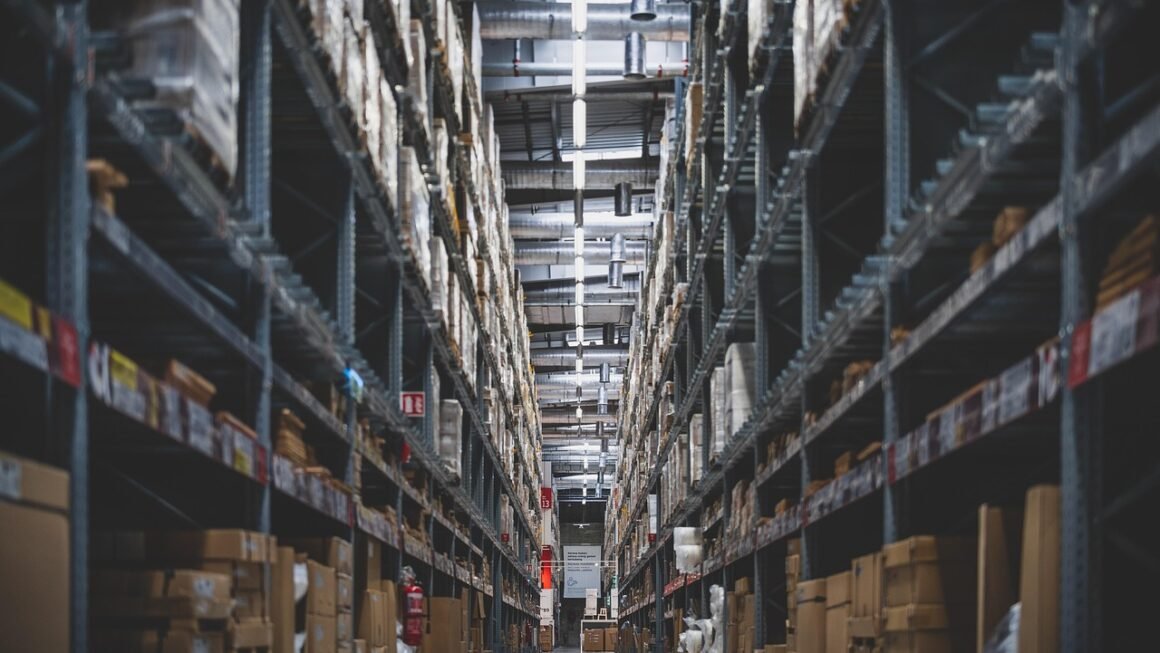
From the earliest bartering systems in ancient civilizations to today’s intricate global supply chains, trade has always been the lifeblood of human progress and prosperity. It is the fundamental engine that connects cultures, drives innovation, and shapes economies worldwide. More than just the exchange of goods and services, trade embodies a complex web of relationships, policies, and technological advancements that influence everything from the prices we pay for everyday items to the geopolitical landscape. Understanding its multifaceted nature is crucial for businesses, policymakers, and consumers alike in our increasingly interconnected world.
The Foundations of Trade: Why Nations Exchange Goods
At its core, trade exists because no single nation can efficiently produce everything its population needs or desires. This fundamental truth drives the exchange of goods and services across borders, leading to a more efficient allocation of resources globally.
Comparative Advantage: The Economic Bedrock
The principle of comparative advantage is perhaps the most crucial concept in explaining why international trade occurs. It suggests that countries benefit from specializing in the production of goods and services where they have a lower opportunity cost, even if another country is more efficient at producing everything. By focusing on what they do relatively best and trading for other goods, all participating nations can achieve greater overall production and consumption.
- Specialization: Countries concentrate resources on specific industries.
- Efficiency Gains: Increased output due to specialized production.
- Example: Country A might be excellent at producing both high-tech electronics and agricultural products, but it’s relatively even better at electronics. Country B might be less efficient at both but relatively better at agriculture. If Country A specializes in electronics and Country B in agriculture, and they trade, both can consume more of both goods than if they tried to be self-sufficient.
Actionable Takeaway: Businesses should analyze their nation’s and their own firm’s comparative advantages to identify optimal export or import opportunities, focusing on what they can produce most competitively.
Resource Distribution and Scarcity
Another primary driver of trade is the uneven distribution of natural resources and productive capabilities around the globe. Some countries are rich in oil, others in minerals, and yet others boast fertile agricultural lands or a highly skilled labor force for specific industries.
- Natural Resources: Nations with abundant oil, gas, precious metals, or timber often export these raw materials.
- Geographic Factors: Climate and land suitability determine agricultural trade patterns.
- Human Capital: Countries with specialized labor forces excel in industries like technology, finance, or high-value manufacturing.
Actionable Takeaway: Entrepreneurs and investors should consider resource availability and scarcity when evaluating potential markets for both sourcing and sales, identifying gaps that trade can fill.
Types and Mechanisms of International Trade
Global trade is a complex ecosystem, involving various types of exchanges and intricate mechanisms that ensure goods and services move seamlessly (most of the time) across national boundaries.
Exports and Imports: The Fundamentals
At its simplest, international trade is defined by exports and imports:
- Exports: Goods and services sold by a country’s residents to residents of other countries. They bring foreign currency into the domestic economy and contribute positively to a nation’s Gross Domestic Product (GDP).
- Imports: Goods and services bought by a country’s residents from residents of other countries. They represent an outflow of domestic currency and contribute to the variety and affordability of goods available to consumers.
For example, in 2022, global merchandise exports reached an estimated $24.9 trillion, highlighting the massive scale of these exchanges.
Actionable Takeaway: Businesses looking to expand should explore both export markets for their products and import opportunities to source materials or components more efficiently.
The Global Supply Chain: An Interconnected Web
Modern trade is characterized by highly interconnected and often geographically dispersed global supply chains. A single product, like a smartphone, might contain components manufactured in dozens of different countries before final assembly.
- Complexity: Involves sourcing raw materials, manufacturing components, assembly, logistics, and distribution across multiple borders.
- Efficiency: Allows companies to leverage specialized production capabilities and lower costs globally.
- Vulnerabilities: Prone to disruptions from geopolitical events, natural disasters, or pandemics (e.g., the 2021 Suez Canal blockage or COVID-19 supply chain issues).
Actionable Takeaway: Companies must actively manage their supply chains, diversifying sources and building resilience to mitigate risks and ensure continuity in a volatile global environment.
Trade Agreements and Organizations
To facilitate smoother and fairer international trade, countries often enter into formal agreements and join international organizations.
- Multilateral Agreements: Such as those overseen by the World Trade Organization (WTO), which establishes global rules of trade between participating nations, aiming to reduce barriers and ensure fair competition.
- Regional Trade Agreements: Examples include the European Union (EU), the North American Free Trade Agreement (NAFTA), now replaced by the USMCA, and the Comprehensive and Progressive Agreement for Trans-Pacific Partnership (CPTPP). These agreements typically reduce tariffs and non-tariff barriers among member countries.
- Bilateral Agreements: Between two countries, often covering specific goods or services.
These agreements provide stability, predictability, and mechanisms for dispute resolution, significantly lowering the risks associated with cross-border commerce.
Actionable Takeaway: Businesses operating internationally must stay informed about relevant trade agreements and regulations, leveraging the benefits they offer while ensuring compliance.
The Economic and Societal Impact of Trade
The impact of trade extends far beyond mere economic transactions, shaping national economies, consumer lifestyles, and even international relations.
Economic Growth and Job Creation
Trade is a powerful catalyst for economic development. By expanding market access, it encourages specialization, efficiency, and innovation, leading to higher productivity and greater wealth.
- Increased Demand: Access to international markets allows companies to grow beyond domestic demand, increasing production.
- Economies of Scale: Larger production volumes can lead to lower per-unit costs, benefiting both producers and consumers.
- Innovation: Competition from foreign firms often spurs domestic companies to innovate and improve their products and processes.
- Job Creation: Export-oriented industries often create high-paying jobs, and the overall increase in economic activity fuels employment across various sectors.
Actionable Takeaway: Governments should implement trade policies that foster an environment conducive to exports and attract foreign direct investment, while businesses should seek to capitalize on export-led growth strategies.
Consumer Benefits: Choice, Quality, and Affordability
For the average consumer, international trade translates into tangible benefits in daily life.
- Wider Variety: Consumers gain access to a vast array of goods and services from around the world that may not be produced domestically (e.g., exotic fruits, specialized electronics, diverse cultural products).
- Lower Prices: Increased competition and the ability to source goods from the most efficient producers often lead to more competitive pricing.
- Higher Quality: Global competition can drive manufacturers to improve product quality and features to stand out in the marketplace.
Actionable Takeaway: Consumers can make more informed purchasing decisions by understanding how trade influences product availability, quality, and price. Businesses should recognize consumer demand for diverse and competitively priced goods.
Cultural Exchange and Diplomacy
Beyond economic metrics, trade plays a significant role in fostering cultural understanding and strengthening diplomatic ties between nations.
- Cultural Exposure: The exchange of goods often comes with an exchange of ideas, traditions, and artistic expressions. For example, trade in textiles, food, or media can introduce foreign cultures.
- Interdependence: Economic ties create a shared interest in peace and stability, as conflict can disrupt profitable trade relationships.
- Soft Power: Successful trade relationships can enhance a nation’s influence and standing on the global stage.
Actionable Takeaway: Policymakers should consider the broader diplomatic and cultural implications of trade agreements, viewing trade as a tool for fostering international cooperation and understanding.
Challenges and Future Trends in Global Trade
While trade offers immense benefits, it also faces significant challenges and is constantly evolving due to technological advancements and changing global priorities.
Protectionism vs. Free Trade
A perennial debate in trade policy revolves around the merits of free trade versus protectionism.
- Free Trade: Advocates for minimal government intervention, believing open markets lead to greater efficiency and overall welfare.
- Protectionism: Involves government policies like tariffs, quotas, and subsidies to protect domestic industries from foreign competition. Arguments for protectionism often cite national security, infant industry protection, or job preservation.
The rise in protectionist sentiments in recent years, exemplified by trade disputes between major economies, highlights the ongoing tension between these two philosophies and their impact on global economic stability.
Actionable Takeaway: Businesses must monitor global trade policy shifts and potential tariff changes, developing flexible strategies to adapt to evolving market access conditions.
Digital Trade and E-commerce
The digital revolution has transformed how trade is conducted, creating new opportunities and regulatory complexities.
- Cross-Border E-commerce: Consumers and businesses can directly purchase goods and services from international sellers with unprecedented ease. Global e-commerce sales are projected to reach over $8 trillion by 2026.
- Trade in Services: Digital platforms facilitate the trade of services like software development, online education, and remote consulting across borders.
- Data Flows: The increasing importance of data in all sectors raises new questions about data localization, privacy, and digital taxation.
Actionable Takeaway: Businesses must embrace digital platforms for international sales and marketing, while also navigating the complexities of cross-border data regulations and digital customs procedures.
Sustainability and Ethical Trade
Growing consumer awareness and environmental concerns are increasingly shaping trade practices, with a focus on sustainability and ethics.
- Fair Trade: Movements promoting fair prices, decent working conditions, and local sustainability for producers in developing countries.
- Environmental Impact: Pressure to reduce the carbon footprint of global shipping, promote eco-friendly production methods, and address issues like deforestation and pollution linked to trade.
- Labor Standards: Demands for adherence to international labor laws and human rights throughout the supply chain.
Actionable Takeaway: Companies should integrate sustainable and ethical practices into their global sourcing and production strategies, not only to meet consumer demand but also to build a resilient and responsible brand.
Conclusion
Trade is far more than a simple exchange; it is a dynamic force that has shaped human history and continues to drive global development. From the economic principle of comparative advantage to the intricate dance of global supply chains, its mechanisms are designed to foster efficiency, increase variety, and reduce costs. While trade brings undeniable benefits in terms of economic growth, job creation, and consumer welfare, it also presents ongoing challenges, including policy debates on protectionism and the imperative to pursue more sustainable and ethical practices. As we look to the future, embracing digital trade and adapting to evolving global priorities will be key. Understanding and navigating the complexities of international trade is essential for anyone seeking to thrive in our profoundly interconnected world, ultimately contributing to greater prosperity and mutual understanding across borders.